Amnesty International urges ICC to examine Israel's impact on Gaza births
A new report argues that Israeli measures have hindered fertility treatments and harmed reproductive health, prompting calls for a genocide investigation.
By Marco Ortega ·
Amnesty International has formally requested that the International Criminal Court investigate whether Israeli officials committed genocide in Gaza. The organization cited specific measures that it believes have prevented births and significantly damaged the reproductive health of women in the territory. While the rights group stated it holds serious concerns that these outcomes were intentional, it acknowledged that it cannot yet reach a definitive conclusion on the matter of intent.
The report was released on Wednesday, coinciding with the International Day for the Elimination of Violence against Women. It provides a detailed account of the physical, mental, and reproductive toll of the war that began in October 2023. Agnès Callamard, the Secretary General of Amnesty International, stated at a press conference that Israeli actions from that time until October 2026 have blocked access to fertility treatments. She noted that these actions also contributed to severe pregnancy complications, including miscarriages and stillbirths.
In response to the findings, COGAT, the Israeli defence ministry body responsible for civilian matters in the Palestinian territories, criticized the report. Contacted by the news agency AFP, COGAT accused Amnesty of echoing narratives promoted by Hamas. The body highlighted that more than 27,000 tonnes of medical supplies have entered Gaza since a US-brokered ceasefire took effect in October 2025. It also noted that 35 hospitals are currently operational, including facilities dedicated to women's health and fertility.
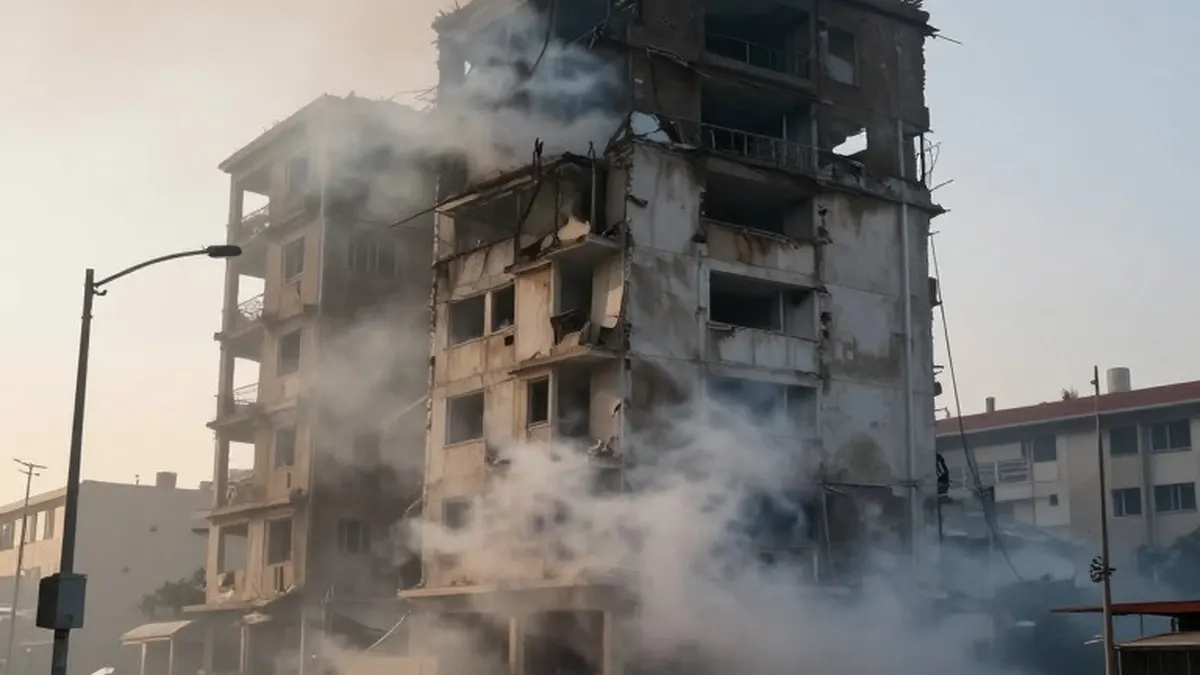
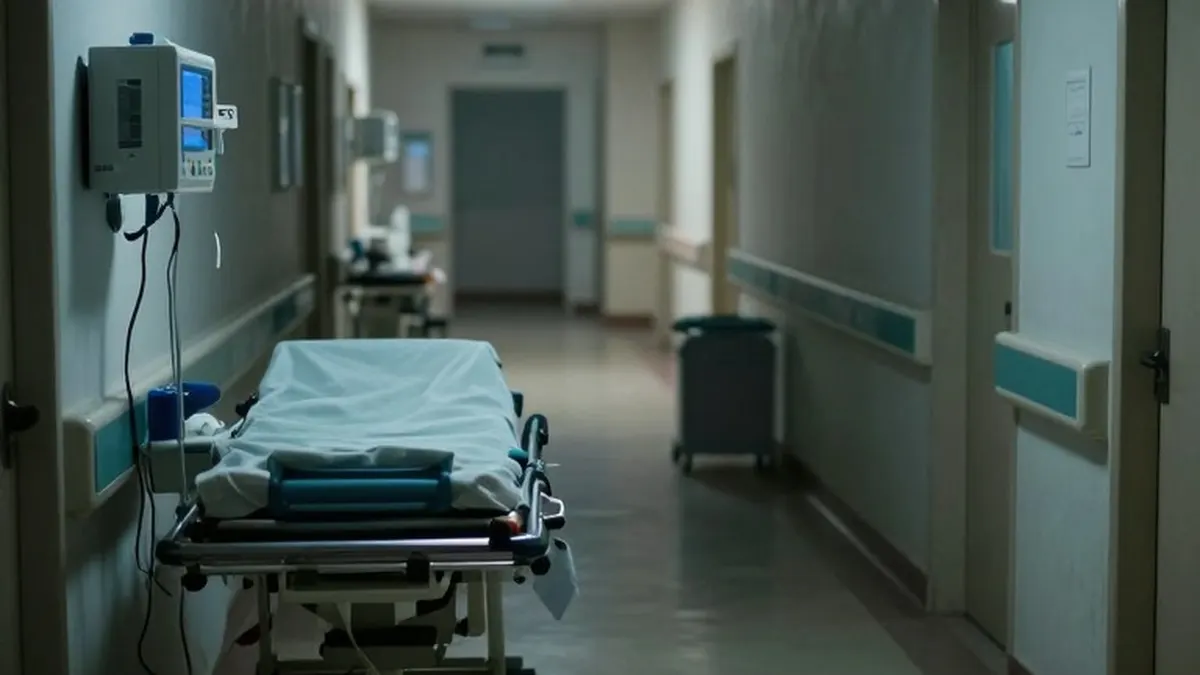
The Amnesty report documents numerous cases where women and girls were killed or injured while seeking medical care or staying in maternity wards. The organization described instances where women continued pregnancies or cared for newborns despite sustaining injuries under heavy bombardment. It argued that shortages of medical equipment have compromised the ability to monitor pregnancies and provide adequate obstetric and postnatal care. Additionally, a lack of anaesthetics and medicines to treat haemorrhaging during childbirth has sometimes resulted in fatal outcomes.
Amnesty attributed these critical shortages to Israeli restrictions on humanitarian aid, stating that they contribute to rising maternal and neonatal mortality rates. Based on these conclusions, Callamard urged the ICC to consider the commission of genocide by Israeli officials since October 2023. She specifically requested that the investigation include gender-based crimes and reproductive harms, noting that measures intended to prevent births can constitute an act of genocide under the UN Convention.
The findings are based on 228 interviews conducted for the report. Two paramedics described incidents in early 2026 where women in labor and their ambulances came under fire near the demarcation line for the area under Israeli control. The report also cited the case of a 20-day-old infant who died in 2025 from an infection after sharing an incubator with another sick baby. Before the war, Gaza had at least nine clinics offering in vitro fertilization, but none currently provide these treatments, and thousands of stored embryos and reproductive cells were destroyed.
According to Gaza's health ministry, which operates under Hamas but is considered reliable by the United Nations, more than 74,000 Palestinians have been killed since the conflict began. The ministry reported a roughly 41 percent drop in live births in the first half of 2025 compared to 2022. The UN also recorded a decline in deliveries in the first half of 2026 compared to the same period in the previous year. Amnesty stated it found evidence that Palestinian armed groups used hospitals to hold hostages or torture Palestinians, though it found no evidence supporting Israeli claims that they were used as command centres.