China's Global Clout Silences Dissent Voices
As China's economic power expands, activists in exile report that their cause is losing attention due to geopolitical interests and new diplomatic tactics.
By Bianca Shevchenko ·
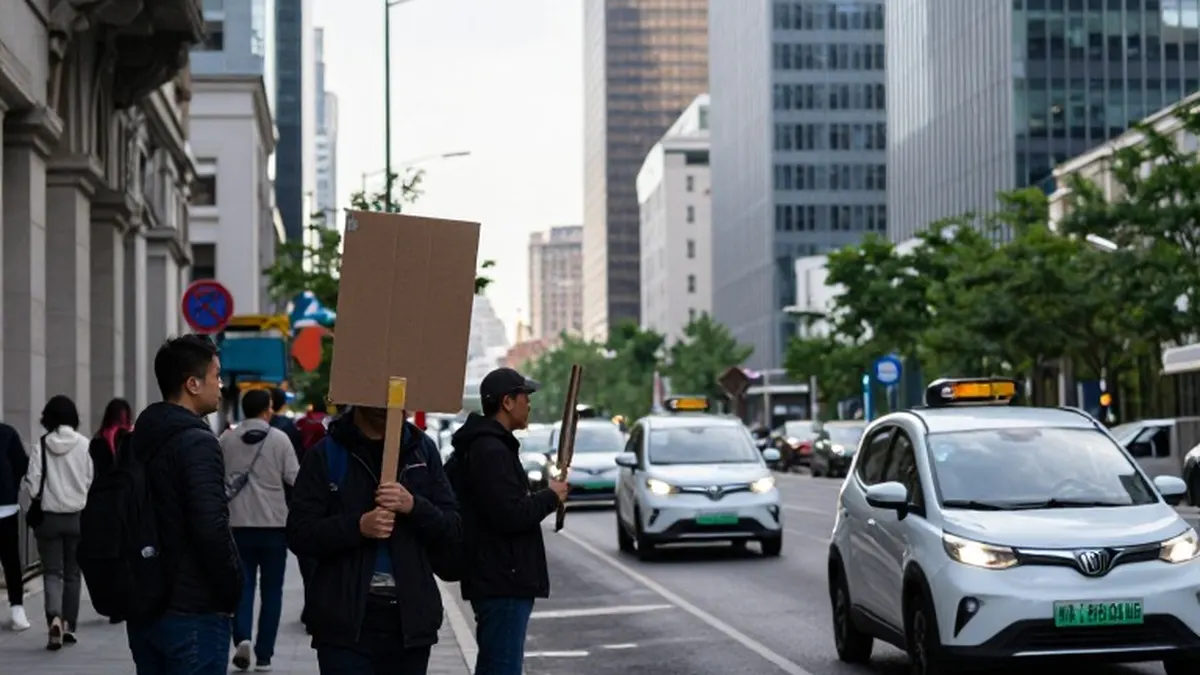
For Dolkun Isa, a Uyghur activist who has lived in exile in Germany for nearly three decades, the shrinking size of protest crowds signals a decline in global attention to his cause. In 2018, reports emerged that China detained up to one million Uyghurs and other Muslims in internment camps in the northwestern province of Xinjiang. At the time, international outcry was significant, with Western governments imposing sanctions and at least nine countries issuing parliamentary resolutions condemning the detentions. Isa, who served as president of the Munich-based World Uyghur Congress from 2017 to 2024, recalls that period as one when the world seemed finally listening. Now, however, he notes that the movement struggles to gather even 500 protesters, a sharp contrast to the thousands who once turned out.
The shift in global focus is attributed to China's immense economic growth and soft power. Chinese products, from electric vehicles to artificial intelligence models and popular consumer goods, have penetrated markets worldwide. This economic muscle has reshaped foreign policy, according to Pulitzer Prize-winning journalist Ian Johnson. He observes that Western governments have become more inwardly focused, pushing human rights lower on their priority lists. Consequently, China’s human rights record was not mentioned in any of the three summits held this year between President Xi Jinping and US President Donald Trump, including a recent meeting in Shenzhen.
Beijing has also altered its approach to dissidents in exile, swapping pressure for incentives. Uyghur journalist Arslan Hidayat, who runs the Kashgar Times in Australia, states that China is offering family reunions, financial support, and promises of safety in exchange for information and the promotion of pro-party narratives. The Chinese embassy in the UK dismissed claims that exiles are asked to spy on their networks, describing family visits as a normal part of consular services. However, activists argue that these initiatives result in fewer voices and less trust within the movement.
The impact of these tactics is visible in the diaspora communities. In Turkey, which hosts tens of thousands of Muslim minorities from Xinjiang, Chinese officials have facilitated group trips for family reunions. One such event in Istanbul in January saw Consul-General Wei Xiaodong send off approximately 30 participants. The consulate’s social media posts highlighted the region’s development and showed emotional reunions in Urumqi. While these trips are publicized, the criteria for participation remain unclear. Some exiles suggest that personal histories, such as dating partners active in lobbying, are scrutinized during the selection process.
Those who participate in these visits often report mixed experiences. Mehmut, a Uyghur businessman who traveled to China in October 2024, hoped the trip would help re-establish business links. However, he found the interactions with friends and family to be superficial, marked by fear and self-censorship. Activists note that these visits can drive a wedge within communities. Abduweli Ayup, a Uyghur linguist based in Norway, has observed former activists deleting social media accounts and cutting off contact after returning from such trips. This creates confusion and suspicion, with some returning members appearing wary of their former colleagues.
Tibetan activist Karma Rinchen, who serves as information secretary in the Tibetan government-in-exile in Dharamshala, India, highlights the emotional toll of these strategies. He notes that the separation from family for generations makes the offer of reunions particularly compelling. The Communist Party, he argues, targets this desperation. Despite the challenges, Rinchen insists that the struggle is about identity, culture, and basic rights, requiring patience and persistence.
The pressure is also deeply personal for many exiles. Mirkamel Tourghoun, a Uyghur musician living in Paris since 2008, has cut off contact with his family in Urumqi to maintain his independence. In January, he received a call from a city official who suggested his father was gravely ill, urging him to return. Tourghoun described the offer as emotional blackmail. He declined the invitation, telling the official to inform his family that they should forget they ever had a child like him.
As China’s influence grows, the cost of confrontation rises. Dissidents say that while their networks are being weakened, the international community’s reluctance to criticize China due to its power complicates their efforts. Yet, many remain committed to their cause, working harder to ensure their voices are heard despite the daunting odds.