Blade Runner 2099: A Visual Success with an 8-Hour Runtime
Amazon's new sequel invests heavily in moody aesthetics and star power but struggles to find a distinct narrative voice beyond the original films.
By Marco Ortega ·
Viewers of the new Amazon series Blade Runner 2099 are getting a show that looks like the past but feels like a stretched-out movie. The production runs for eight hours, a length that critics argue works against the pacing of the story rather than helping it. The series is set eighty years after the 1982 original and fifty years after Blade Runner 2049. This timeline places the action in a world where a violent power shift has left replicants in charge and humans in a state of oppression.
The central plot revolves around two LAPD partners with opposite goals. Olwen, played by Michelle Yeoh, is a replicant with only eight days left on her predetermined life. Cora, portrayed by Hunter Schafer, is a human hiding her identity by passing as a replicant. Olwen is hunting for a missing blade runner named Marek. Cora is looking for a mysterious artifact to trade for passage to Mexico City. That city is the last known enclave still run by humans. The show reveals that their separate missions are effectively the same search.
The first episode opens at a club called Body Body. It appears to be a standard seedy venue, but it serves a specific function for the replicant population. Artificial beings pay to use pregnancy prosthetics inside the club. This allows them to experience the physical sensation of reproduction, a capability their bodies do not naturally possess. The proprietor, Muller, argues that replicants must stop defining themselves in opposition to humans. He suggests that this shift in identity is necessary for their evolution.
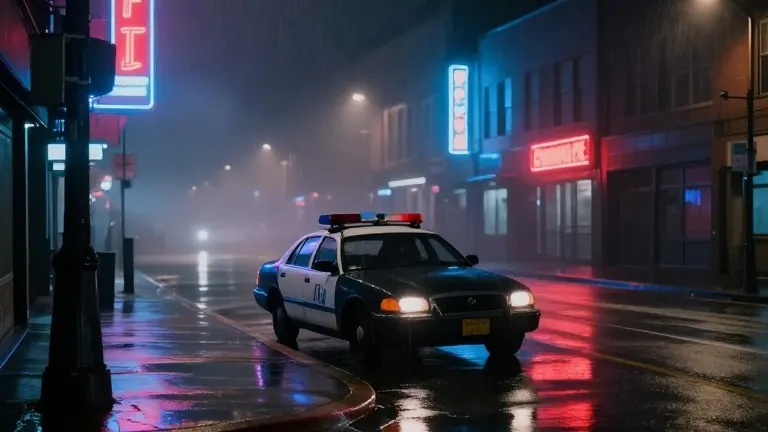
Visually, the series commits fully to the aesthetic of the franchise. The production features cramped interiors and rusted equipment in a neon-lit Los Angeles. A wailing jazz score runs throughout, setting a lonely and moody tone. The look is described as a respectful imitation of the original films. However, analysts note that the show struggles to find its own distinctive purpose. It relies on cinematic grandeur that often results in plodding pacing for a television format.
The narrative structure has drawn specific criticism. The plot involves the protagonists searching for people and objects while other parties pursue the same targets. Olwen hides her fear of death and her history with Marek. Cora conceals her humanity and her secret agenda. Their interactions are marked by dimly lit violent altercations. Some viewers compare the pacing unfavorably to the more efficient storytelling of the previous installments. The series feels like a film spread across a single season rather than a standalone television drama.
Michelle Yeoh provides a performance that adds depth to her character. She conveys regret and deep emotion in subtle moments. Hunter Schafer effectively portrays the desperation of a character forced to maintain a disguise under the threat of death. The supporting cast, however, often lacks inner life. Cora's brother Elias and human ally Bebeto serve primarily to advance the plot. They do not add significant richness to the world beyond their functional roles.
The world-building in the series is considered flimsy for its length. Generic dystopian backstories provide technical information about the setting. They do not offer a deep sense of what it is like to exist within that world. The core themes of immortality and the distinction between humans and synthetics are familiar. The series fails to complicate these ideas in new directions. The existential anguish that defined the earlier films appears only in brief moments.
Without emotional specificity or provocative ideas, the final product resembles a simulation of the original. It looks and acts the part but lacks the soul that made the earlier films resonate. This quality gap is evident without the need for a Voight-Kampff test to identify the difference.
More Culture · National news · Report a business · Got a Story?