Colorado fines drivers $50 for leaving cars idling more than five minutes
State statutes define unattended warming as 'puffing,' creating a legal gray area for residents in cold regions like Grand Junction.
By Bianca Shevchenko ·
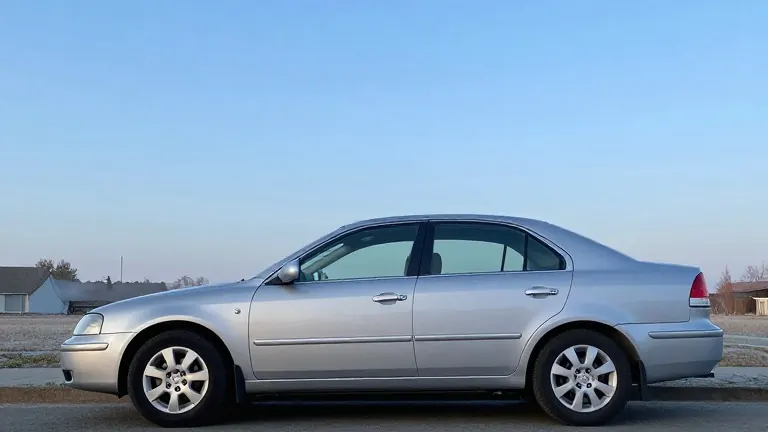
Colorado drivers risk a $50 ticket for a simple morning habit. State law prohibits leaving a vehicle running and unattended for more than five minutes within a sixty-minute period. This rule, embedded in Colorado Revised Statute 42-4-1206, is commonly referred to as the puffer law.
The statute targets a specific practice known as puffing. This occurs when a car engine idles while no one is inside the vehicle. The legal threshold is strict: if the engine runs for over five minutes in an hour, the driver is in violation. Local unattended vehicle ordinances often support these state-level anti-idling rules.
Enforcement can be inconsistent, though. A local reporter noted seeing multiple cars running with empty seats in a Grand Junction neighborhood. The area experiences single-digit lows in January, which frequently prompts residents to start their engines before returning indoors. Despite the cold, officers have the authority to issue citations for the first offense. Repeat violations can result in higher fines.
Lawmakers originally passed these restrictions to combat auto theft. Keeping a vehicle locked while the engine runs reduces the opportunity for thieves to walk away with a running car. The puffer law generally supersedes the need for additional local restrictions on idling. This creates a uniform standard across the state, although specific municipal codes may still apply in certain jurisdictions.
Drivers who wish to warm their vehicles without breaking the law have one primary workaround: remote start systems. These devices, standard on many 2025 models, allow the engine to run while the car remains locked. Because the vehicle stays secure, the unattended vehicle ordinances do not apply. Owners of older cars can often add this technology for a fee.
The application of the law varies by location. If a car is parked on a private driveway, the rules may differ depending on where the driver lives. Public roads and residential streets typically see stricter enforcement. Residents must weigh the comfort of a warm cabin against the risk of a traffic stop and a $50 fine.
The law remains in effect despite the inconvenience it causes during freezing nights. The state continues to rely on these statutes to balance environmental concerns and vehicle security. For now, the five-minute window is the definitive line between a legal warm-up and a state violation.