Ukrainian Strikes Severely Damage Crimea Bridge as Kyiv and Moscow Trade Attacks
Ukrainian drones and a domestically made cruise missile hit Russia's key supply link to occupied Crimea, while Russian ballistic missiles struck two bridges in Kyiv.
By Marco Ortega ·
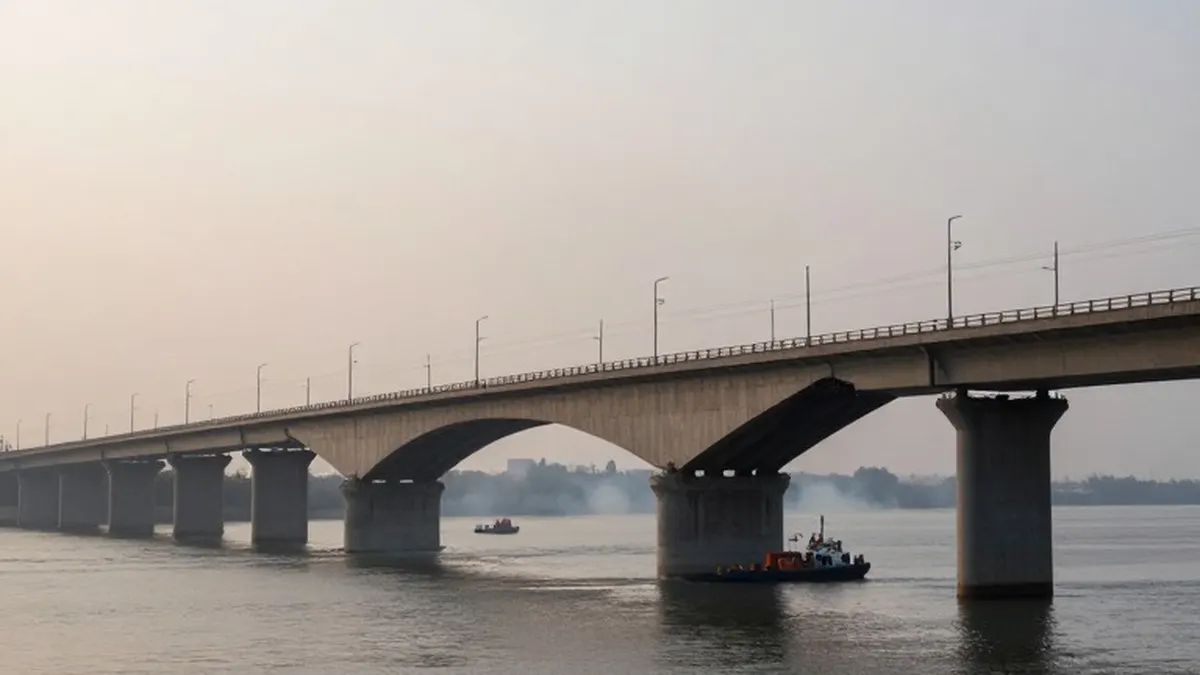
Ukrainian drones struck the Crimea Bridge, a critical supply route connecting the Russian-annexed Crimean Peninsula with mainland Russia, on November 17, causing substantial damage. Images of the aftermath indicated that a 227-meter road arch span had collapsed into the Kerch Strait, which links the Sea of Azov to the Black Sea, while the bridge's railway arch span was also damaged.
President Volodymyr Zelenskyy confirmed the operation, saying it was carried out with drones as well as the Ukrainian-made Flamingo cruise missile. "We are also reminding Russia that war will always return to where it began. Ukraine's defensive capabilities are strong and will remain so, and we will never leave terror against our cities and people unanswered," he wrote, adding that Kyiv has "repeatedly offered Russia steps toward de-escalation."
While repairs are under way, traffic from Russia to Crimea will have to rely on a land corridor through occupied Ukrainian territory, a route that remains vulnerable to Ukrainian drone attacks. Sergei Aksyonov, the Russian-installed governor of the peninsula, said two people were killed in the attack and that traffic across the bridge had been suspended.
The 19-kilometer road-and-rail bridge is one of President Vladimir Putin's signature infrastructure projects and a main supply route for Russian forces in Ukraine. Ukraine had already struck it on November 16, though Moscow said that first attack caused only minor damage.
The bridge strikes formed part of what is believed to be Ukraine's largest drone barrage of the war. Russia confirmed it downed 1,441 drones over 22 regions, including occupied parts of Ukraine, and Moscow Mayor Sergei Sobyanin said more than 800 of them were heading toward the capital.
Ukraine's military also said on November 17 that it had hit the Salavat oil refinery and petrochemical complex in Russia's Bashkortostan region, some 1,500 kilometers from the Ukrainian border. "Salavat is no ordinary plant. It is one of Russia's largest oil refining and petrochemical complexes, capable of processing about 10 million tonnes of crude oil per year," the General Staff said in a post on X.
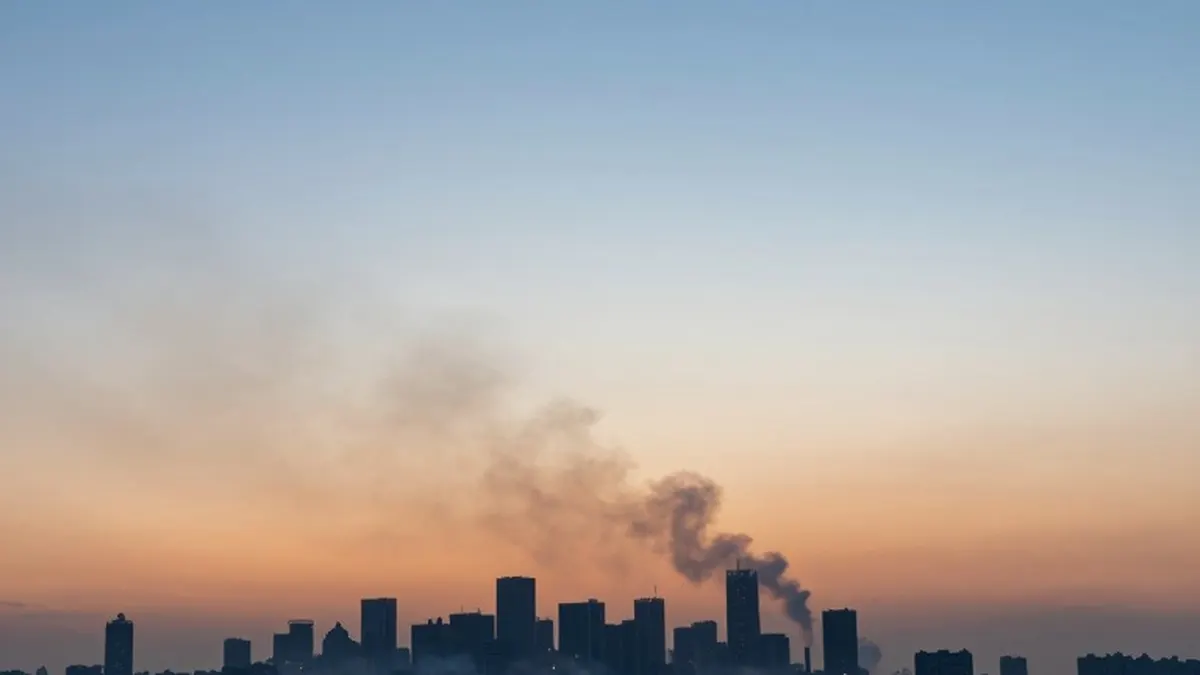
Russia, meanwhile, launched its own strikes on infrastructure. Mayor Vitali Klitschko said Russian missiles hit the Northern and Southern bridges over the Dnieper River in Kyiv, partially damaging the city's subway system and causing utility cuts. "Two bridges in the capital were damaged as a result of an enemy ballistic missile attack," Klitschko said in a video message recorded on the Southern Bridge.
Zelenskyy said Russia fired seven ballistic missiles at the capital's bridges. "Last night, four ballistic missiles struck the Southern Bridge and three struck the Northern Bridge," he wrote on X on November 17, adding that significant power outages were reported in three regions after the overnight attack.
Russian forces also targeted Cherkasy in central Ukraine, where three people were injured, as well as Dnipropetrovsk and Zaporizhzhya, with Russia's Defense Ministry confirming the strikes. Ukraine's Energy Ministry said the attacks caused power outages in eight regions as Moscow intensifies its campaign against civilian energy infrastructure ahead of winter. Prime Minister Serhiy Koretskiy called the campaign "pure terror, aimed at breaking the spirit" of Ukrainians, telling RFE/RL in Brussels on November 16 that "Russia has significantly changed its strategy and is hitting bridges, hitting infrastructure, and hitting business a lot."
Zelenskyy had warned earlier in the week of major Russian attacks in the run-up to a trilateral meeting scheduled for November 19 in Shenzhen, China, between US President Donald Trump, Russian President Vladimir Putin, and Chinese President Xi Jinping.