IEA warns data center power use could double by 2030
The International Energy Agency projects that electricity consumption by data centers will reach 1,000 terawatt-hours annually, straining global power grids and infrastructure.
By Bianca Shevchenko ·
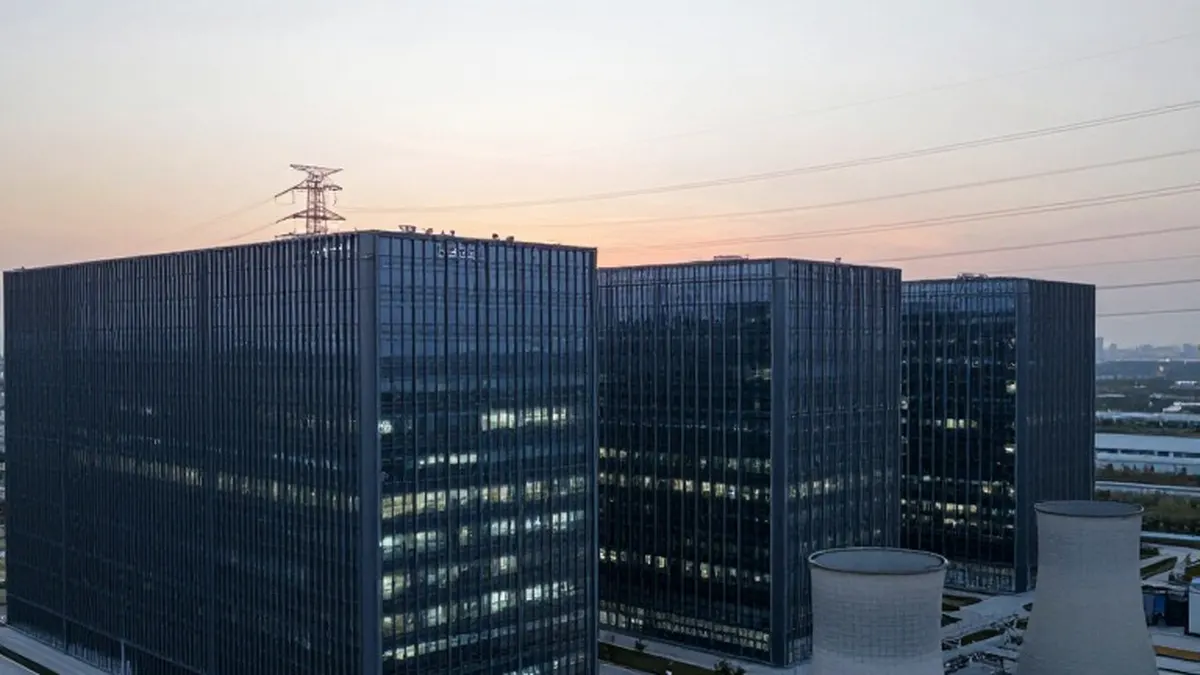
The International Energy Agency (IEA) has projected that global electricity consumption by data centers could double by the end of the decade. This surge is primarily driven by the rapid expansion of artificial intelligence applications, which are placing significant new demands on power networks worldwide. Under the agency's Stated Policies Scenario, data centers are expected to consume approximately 1,000 terawatt-hours of electricity per year by 2030.
The agency noted that this growth occurred against a backdrop of broader energy trends. In 2025, electricity use in data centers rose by 17 percent, a rate of increase that far outpaced the 3 percent growth seen in overall global electricity demand. This disparity highlights the accelerating role of digital infrastructure in the modern energy mix.
Major financial commitments are fueling this expansion. The IEA reported that the largest data center operators in the world are anticipated to spend more than $700 billion in 2026. The majority of this capital is directed toward new infrastructure. Significant project pipelines are currently active in Texas, Virginia, Finland, and the United Kingdom. In several of these regions, the total capacity of data centers awaiting grid connection already exceeds the current peak electricity demand for the area.
However, the pace of construction faces several headwinds. The IEA identified tight supply chains, local community opposition, and limited grid capacity as potential factors that could slow down the buildout. Without substantial upgrades to power networks, the agency warned that congestion could increase and reliability could decrease. New projects might experience longer waiting periods for grid access, while existing generators could be forced to reduce their output if the grid cannot handle the load.
Long-term infrastructure needs are substantial. Peak electricity demand is forecast to rise between 40 percent and 50 percent by 2035 across various IEA scenarios. To meet this demand, grids would need to expand by 26 million kilometers of new lines by that date. Additionally, approximately 16 million kilometers of existing lines require replacement or refurbishment. The agency noted that supplies of essential materials such as copper, cables, and transformers are already constrained.
Under the Current Policies Scenario, which reflects regulations already in place, grid spending is projected to increase by 75 percent over the next ten years. The IEA described power networks as one of the most significant energy investment stories of the coming decade. This period will also see a major shift in generation sources, with renewable power growth expected to be 85 percent greater than in the previous decade. Solar photovoltaics are projected to become the world's largest source of electricity by the late 2030s.
Electricity is set to play a larger role in the overall energy economy. By 2035, it is expected to account for nearly 30 percent of global final energy consumption, up from 23 percent in the agency's main scenarios. The 2026 energy crisis may further accelerate electrification efforts as nations look to reduce their dependence on imported oil and gas. While electrification reduces exposure to imported fuels, it simultaneously elevates the importance of a reliable and robust power grid.
Geopolitical factors continue to influence energy flows. Before the Iran war, the Strait of Hormuz handled an average of 20 million barrels of crude oil and oil products daily in 2025. This volume represented about 25 percent of global seaborne oil trade. The strait also facilitated nearly 20 percent of global liquefied natural gas trade. IEA Executive Director Fatih Birol stated that the pressures of the current crisis must not obscure the choices that will shape energy security, sustainability, and prosperity for the decades to come.
More News · National news · Report a business · Got a Story?