Everett weighs 4,800-acre annexation plan for 48,000 residents
City officials are studying four unincorporated areas south of the current limits to prepare for projected growth and light rail expansion.
By Bianca Shevchenko ·
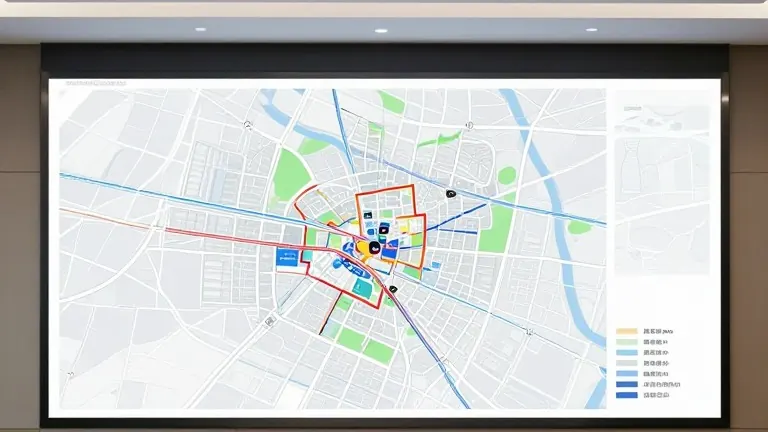
The city of Everett is evaluating a boundary expansion that would absorb approximately 4,800 acres of unincorporated land to the south. The proposal, currently under review, would integrate roughly 48,000 residents into the city’s jurisdiction. Officials have not yet determined if they will proceed with the annexation or which specific zones to include.
Mayor Cassie Franklin cited projected demographic shifts as the primary driver for the move. She noted that Everett expects to add 60,000 residents over the next two decades. Franklin stated that this growth necessitates preparing for major infrastructure projects. “We are going to be a very big city, and these stations will be necessary to serve our growing community,” she said, referring to planned light rail investments.
The city argues that annexation would standardize public services and allow for more effective long-term planning. It would also give local government greater control over development regulations in the affected areas. Currently, the city is analyzing the financial and operational impacts while collecting input from local businesses and community partners.
Residents who have undergone similar processes in the past describe the transition as subtle. Teri, a Mill Creek resident who experienced annexation previously, characterized the change as “pretty seamless.” She reported that day-to-day life remained largely unaffected by the administrative shift. However, she sees potential advantages in future service delivery as communities densify.
“I think our kids will benefit from that, for sure, in the way we are going with a lot of urban density, more houses and smaller spaces,” Teri said. She linked these benefits to the trend of building more structures in smaller footprints.
City leaders are scheduled to host a roundtable discussion on December 8 to continue gathering public feedback. The city has also published a detailed map showing the potential annexation areas. Residents can use this map to compare the proposed zones with Snohomish County’s existing Municipal Urban Growth Areas.