Experts Condemn Execution Team Conduct
Medical professionals criticize the actions taken during a failed lethal injection in Tennessee, labeling the errors as a serious breach of safety protocols.
By Bianca Shevchenko ·
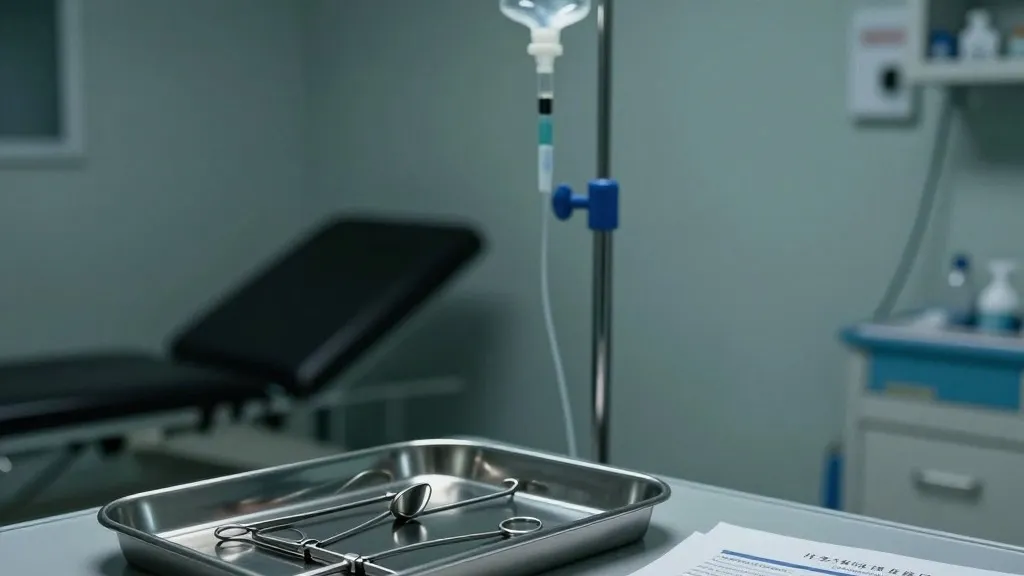
Medical experts are expressing alarm over the conduct of a Tennessee execution team following a failed attempt on Christa Pike. The criticism stems from a detailed account filed by Pike's lawyer, Randy Spivey, which chronicles the events inside the death chamber on September 30. Specialists in execution methods argue that the errors described would be classified as malpractice in any other medical setting, raising serious concerns about the handling of the procedure.
According to the timeline presented in Spivey's filing, the team struggled for nearly an hour to establish an intravenous line for the sedative pentobarbital. The account details how four unidentified individuals utilized approximately ten needles, repeatedly attempting to access Pike's veins without success. Throughout the process, the team expressed concern that her veins might have blown, and Pike reported that her arm was burning.
Jonathan Groner, an emeritus professor of clinical surgery at Ohio State University, described the level of incompetence displayed in the chamber as astounding. He noted that the timeline indicated no clear leadership or plan was in place during the procedure. Groner emphasized that standard medical safety protocols require stopping an infusion immediately if a patient reports pain, a measure he said was not followed.
Joel Zivot, a professor of anesthesiology and surgery, provided expert testimony before the execution and highlighted specific technical errors. He stated that a 24-gauge catheter, typically used for infants or small children, was employed to administer the drug. Zivot asserted that pushing 50cc of fluid through such a small catheter would inevitably damage the vein, noting that a team member later confirmed they suspected the vein had blown.
The technical difficulties extended to other areas as well. The team attempted to use ultrasound technology to locate a vein, a technique Groner said requires significant training to perform effectively. Furthermore, saline was pushed through the line with difficulty shortly before the procedure proceeded. Groner stated that no clinician would administer a caustic drug through an IV where it did not flush easily.
Pike was sentenced to death for the 1995 murder of a classmate, Colleen Slemmer, at the age of 18. Following the failed execution attempt, Pike spent ten days in a hospital and was placed on a ventilator, with her legal team initially fearing she had suffered brain death. She has since returned to her prison cell and regained the ability to walk and talk, though her long-term health remains uncertain.
In response to the incident, the state of Tennessee has suspended all scheduled executions pending a review of the circumstances. This pause reflects a broader national debate regarding the death penalty and the reliability of lethal injection as a method of punishment. The case has drawn attention to the protocols governing how capital punishment is carried out.
Experts in the field warned that this case underscores deeper structural issues with lethal injection procedures. Groner described such events as a medical charade, asserting that the ultimate penalty must not equate to torture. Zivot added that medicine is focused on safety and accountability, principles he observed were absent from Pike's execution chamber.
Source: The Guardian