Experts Urge Doctors to Treat Muscle Quality as a Vital Sign
A new review argues that measuring skeletal muscle health should be as routine as checking blood pressure to predict longevity and metabolic stability.
By Marco Ortega ·
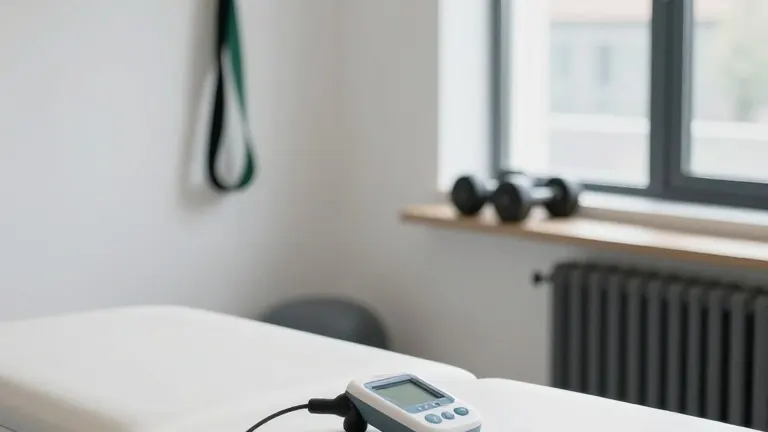
An international group of kinesiologists and nutrition experts issued a formal recommendation for physicians to assess skeletal muscle quality alongside standard vital signs. The team argues that the ratio of muscle to fat is a primary driver of metabolic regulation, immune function, and overall physical functioning. They contend that current medical practice overlooks a key component of human health.
The review positions muscle health estimation as comparable in importance to measuring blood pressure. Dr. Nicolaas Deutz, a professor in the Department of Kinesiology and Sport Management at Texas A&M University, co-authored the expert review. He stated that tracking this metric provides a clearer picture of a patient’s biological status than weight alone.
Medical professionals have long associated muscle health with physical size in younger populations. However, that correlation weakens with age. Deutz noted that mass is only one variable. Women typically possess lower overall muscle mass than men, yet their muscle health metrics are generally comparable. This suggests that volume does not equate to function.
Dr. Fatima Cody Stanford, an obesity medicine physician-scientist at Mass General Brigham, emphasized that a complete assessment must include strength, balance, physical function, and activity levels. She also identified the amount of fat stored within the muscle tissue itself as a critical factor. This internal composition affects how the body manages blood sugar and inflammation.
Muscles serve as the body’s primary storage system for glucose. Maintaining healthy muscle mass supports an active metabolism and reduces systemic inflammation. These functions are increasingly relevant given the widespread use of GLP-1 medications. Drugs like Ozempic and Zepbound improve blood sugar and cardiovascular risk markers but are linked to the loss of both fat and lean skeletal mass.
Stanford advised that patients taking these medications require careful monitoring of nutrition and physical function. While weight loss can reduce fat within muscle and improve quality, older adults and those with frailty need specific attention. She recommended close tracking of strength, protein intake, and resistance exercise for individuals losing weight rapidly.
Dietary guidelines support this approach by recommending high-quality protein sources. The U.S. dietary guidelines suggest prioritizing fish, poultry, eggs, dairy, tofu, beans, lentils, nuts, and seeds. The recommended intake is 1.2 to 1.6 grams of protein per kilogram of body weight daily to protect against muscle degradation.
Physical activity remains a central component of muscle preservation. Dr. Deutz highlighted that working in the yard, walking, and weight training all engage different muscle groups. For those who avoid heavy gym weights, resistance exercises such as body-weight movements, bands, or machines can effectively maintain strength and function during periods of weight loss.
Stephen J. Carter, Ph.D., an associate professor in the Department of Kinesiology at Indiana University, stressed the importance of muscle power. He defined power as the ability to produce force quickly. Carter noted that power declines earlier and more rapidly with aging than simple strength. He argued that power is more relevant to daily life activities than static strength alone.
Clinicians and patients can use several functional tests to measure these metrics. Handgrip strength is a simple method for assessing power. A large analysis of over 20,000 older adults defined low grip strength as less than 57 pounds for men and 35 pounds for women. Other recommended tests include the 6-Minute Walk Test for cardiovascular fitness, the Timed Up and Go Test for fall risk, and the 30-Second Chair Stand Test for lower-body strength. The 5-Repetition Sit-to-Stand Test also measures balance and mobility.
Source: NBC News