Functional Mushrooms: Scientists find growing evidence for immune benefits
A new analysis of 8,009 patients shows a 12% reduction in death risk for cancer patients taking turkey tail extract, though experts warn the science is still young.
By Bianca Shevchenko ·
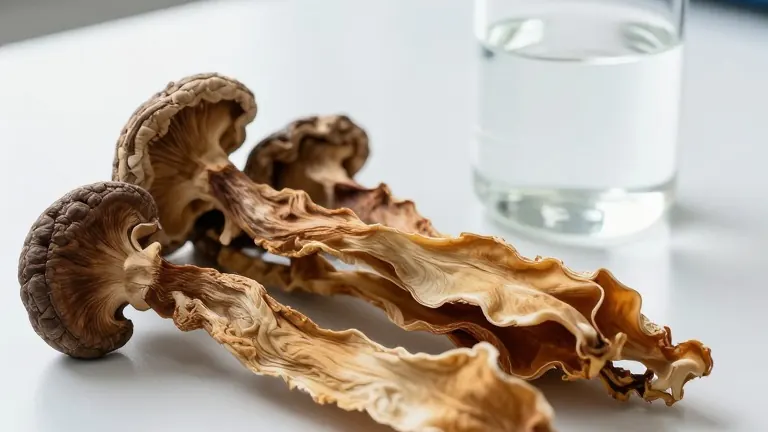
The clinical research on functional mushrooms is young but accumulating fast, according to Abby Langer, a registered dietitian in Toronto.
A meta-analysis involving 8,009 patients across eight randomized controlled trials offers some of the strongest data yet on these fungal products. The subjects had undergone surgical removal of gastric tumors and chemotherapy. Those who also received PSK, a purified extract from turkey tail, showed a 12% reduction in the risk of death compared to the control group.
Santhosshi Narayanan, an integrative oncologist at the University of Texas MD Anderson Cancer Center, calls the findings noteworthy. She notes that the data does not prove PSK cures cancer, but it signals that natural products warrant closer scrutiny. Narayanan emphasizes that the results came from patients in Japan. She cautions that people with different genetics or treatment regimes elsewhere might experience unwanted side effects.
In a 2023 analysis, Narayanan and her team reviewed 2,349 studies on medicinal mushrooms and cancer. They deemed only 39 robust enough for inclusion. Of those 39, 31 showed beneficial effects. These included improved quality of life, reduced chemotherapy side effects, and better anti-inflammatory and anti-metastatic markers. Six studies found no advantage, and two reported worse outcomes.
Julie Daoust, vice president of science and innovation at Monterey Nutra, leads a team focused on the genetics and cultivation of functional mushrooms. Her company sells extracts and powders from species like lion’s mane and reishi. Daoust argues that mushrooms share more biochemical similarities with humans than plants do. This similarity increases the likelihood of finding molecules that are bioactive in the human body.
Langer points out that mushrooms accumulate materials from the soil in which they grow. This includes both beneficial compounds and potential contaminants. She advises caution regarding dosing and safety, noting that traditional use in parts of Asia does not automatically establish safety profiles. While beta-glucan in mushroom cell walls has been linked to gut health and immune response, research on cognitive effects remains mixed.
Langer suggests that consumers examine their basic nutrition before adding supplements. She recommends looking at dietary fiber, protein intake, and alcohol consumption. She argues that there are many areas for improvement in standard diets before relying on a product promised to fix multiple health issues.