
Idaho officials warn of low water reserves ahead of next season
Lt. Gov. Scott Bedke told business leaders in Twin Falls that river storage is depleted, prompting calls for continued infrastructure spending to secure future supply.
By Chinedu Schneider ·
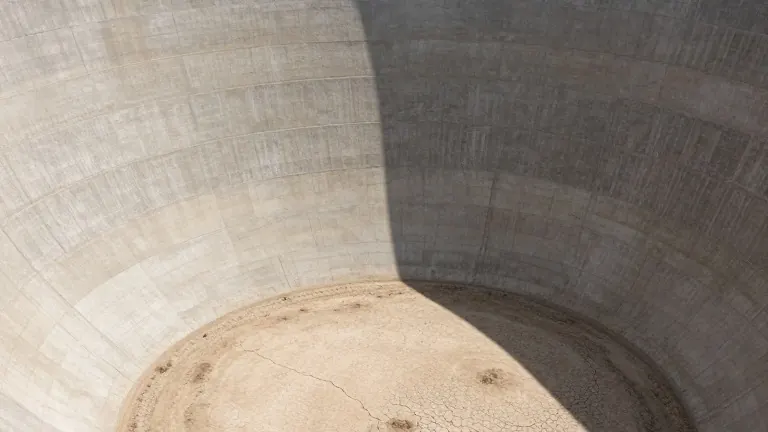
River storage in southern Idaho is nearly empty, leaving the region with little water carryover for the coming year. Lt. Gov. Scott Bedke stated this reality during a visit to Twin Falls on Thursday, where he addressed concerns raised by local business leaders regarding the severity of the current drought.
Bedke reported that while most farmers successfully navigated the recent irrigation season, they did so by making necessary cutbacks. He noted that the state has utilized most of the available slack in the system. Specific storage areas, including the Oakley reservoir, are currently empty. Bedke said the state is now relying on natural precipitation to replenish supplies, a strategy he described as leaning on Mother Nature.
The Business Plus annual meeting, held in Twin Falls, centered its discussion on water scarcity. Executive Director Rebecca Wildman identified water supply and wastewater capacity as primary drivers of economic development. She explained that in an agricultural community like the Magic Valley, inadequate water infrastructure limits business operations and constrains growth. Wildman emphasized that efficient water management is a prerequisite for expanding local enterprises.
Lawmakers are currently weighing how to respond to the drought, with a focus on infrastructure funding. Bedke, who participated in negotiations in 2024 to preserve the Eastern Snake Plain Aquifer, suggested that continued investment in infrastructure is the most likely legislative path. He expressed hope that the state will invest in systems that allow for greater water capture and more efficient usage when precipitation occurs.
City officials in Twin Falls are adjusting their strategies in response to state regulations. City Manager Travis Rothweiler pointed to Idaho's moratorium on new water rights, which influences how the city acquires water and pushes for efficiency. Rothweiler stated that every entity in the region is now required to optimize its water usage. He acknowledged that while the city has made progress in recent years, additional work remains to meet these efficiency standards.
The discussion highlighted the tension between immediate resource depletion and long-term economic needs. Bedke expressed confidence in the state's historical ability to overcome water challenges, noting that Idaho has risen to meet such obstacles since 1890. The meeting concluded with a consensus that water availability remains the central factor determining the economic trajectory of southern Idaho.
More Business · Consumer Alerts · Report a business · Got a Story?