Iranian singer Parastoo Ahmadi and four colleagues flogged over online concert
Iranian authorities executed flogging sentences for a singer and her production team after an online performance where she appeared without a hijab.
By Chinedu Schneider ·
Iranian authorities carried out flogging sentences on singer Parastoo Ahmadi and four members of her production team on Monday. Each individual was lashed 74 times, a punishment stemming from an online concert in which Ahmadi performed without wearing a hijab. Her legal representatives confirmed the execution of the sentences to international media outlets and human rights groups.
The four male members of the production team who received the same sentence were identified by the Iranian newspaper Etemad. They are Soheil Faghih-Nasiri, Amin Taheri, Amirali Pirnia, and Mohsen Lashkari. The group faced prosecution for their roles in the production and distribution of the musical event.
Legal counsel for the defendants stated that they made significant efforts to alter the outcome of the case. One lawyer told the BBC that the team worked to have the verdict overturned or to secure a reduction and suspension of the sentence. The lawyer noted that even attempts to postpone the enforcement of the punishment were rejected, as the enforcement branch insisted on immediate execution.
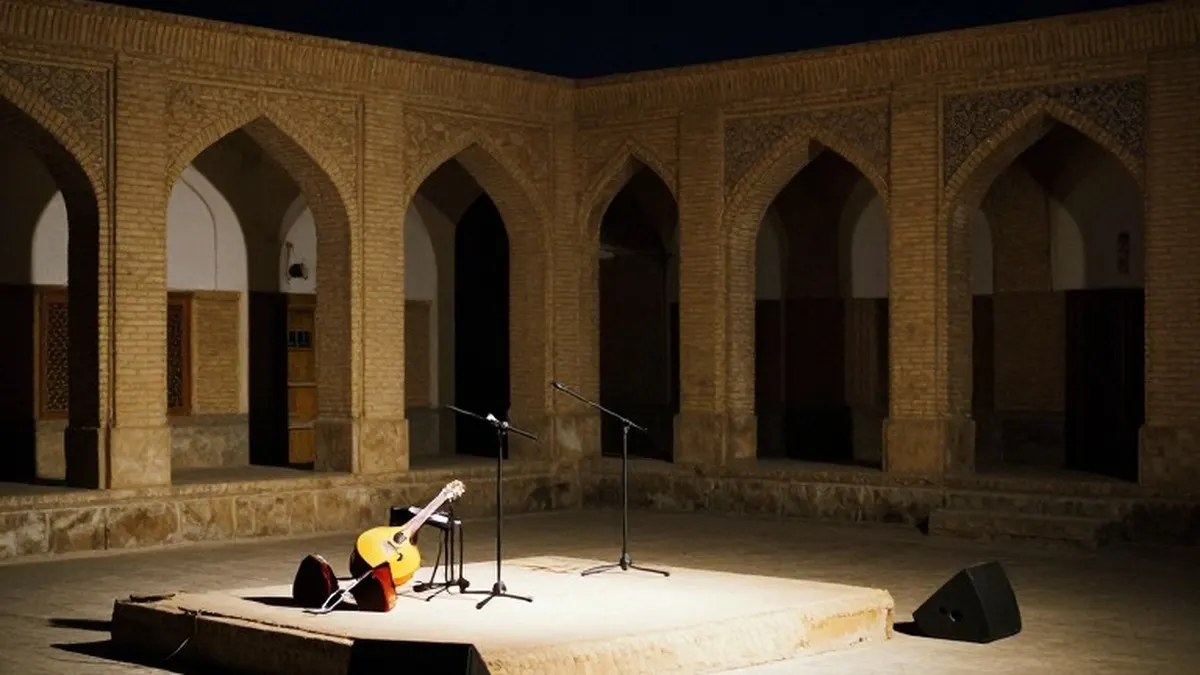
The case originated after Ahmadi’s performance, known as the Caravanserai Concert, was broadcast on YouTube in December 2024. The concert did not have a live audience, but Ahmadi was arrested following the digital release. A court in Qom, along with an appeals court, determined that she had violated public decency. The ruling cited the production and publication of content deemed obscene and immoral on cyberspace platforms.
In addition to the physical punishment, Ahmadi faces further restrictions. She has been barred from engaging in any artistic activities for two years. The court also imposed a two-year ban on her travel. These additional penalties accompany the flogging sentence in the final judgment.
The legal basis for the prosecution relied on specific sections of Iranian law. The defendants were charged under Article 638 of the Islamic Penal Code. This article criminalizes the performance of open religious taboos or acts that offend public decency, which includes appearing without a hijab.
The team was also prosecuted under Article 743 of the Computer Crimes Law. This provision addresses the promotion or encouragement of corruption, prostitution, or acts considered offensive to public morality through digital networks. The combination of these laws provided the framework for the charges against the singer and her team.
The flogging has drawn criticism from human rights activists and international organizations. Amnesty International and other groups have condemned the punishment. They view it as part of the Islamic Republic’s broader pattern of repression and ongoing attacks on women's freedoms.
The incident highlights the continued crackdown on artistic expression in Iran. The case underscores how digital performances can trigger legal action when they challenge traditional norms regarding modesty and public morality. The swift enforcement of the sentence, despite legal appeals, demonstrates the regime's determination to uphold its judicial rulings in high-profile cultural cases.