Katz asserts no Gaza reconstruction or withdrawal until Hamas disarms
Israel's Defense Minister maintains a firm stance against rebuilding or leaving controlled sectors in Gaza, citing security lessons from the 2023 invasion despite mounting pressure from the US.
By Bianca Shevchenko ·
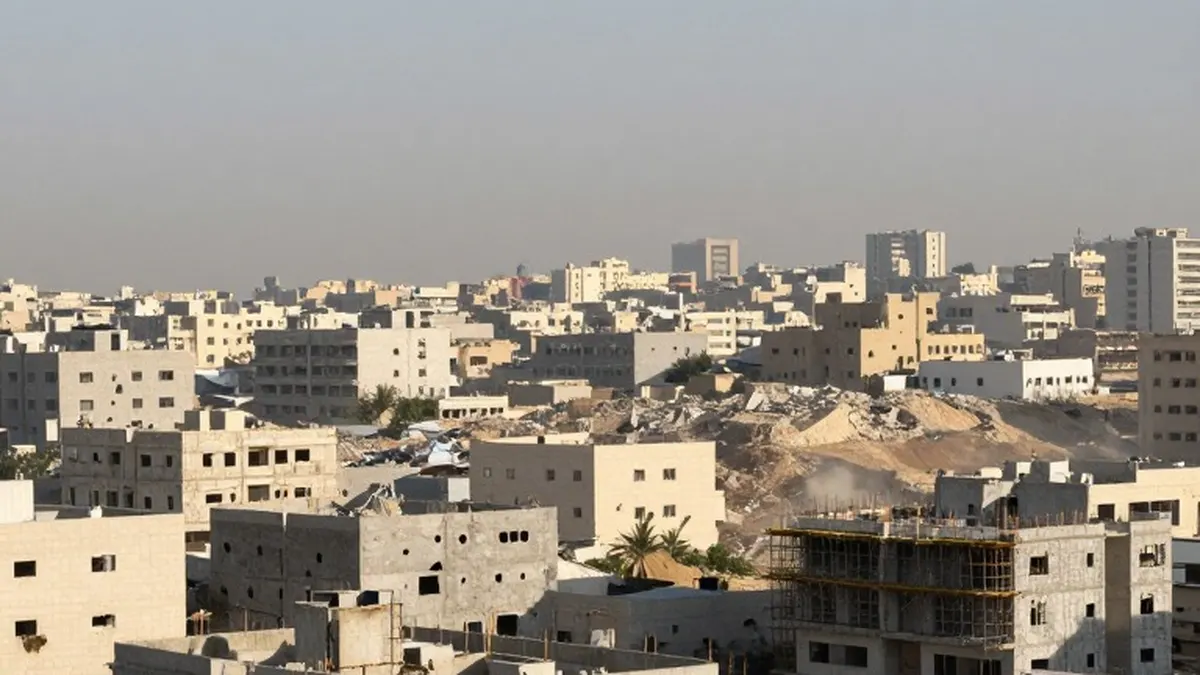
Israel will not allow any reconstruction efforts in the parts of Gaza controlled by Hamas, nor will the Israel Defense Forces withdraw from the 65 percent of the Strip currently under its control, unless Hamas completes its disarmament. Defense Minister Israel Katz announced this position on Tuesday, reinforcing a strict security framework for the ongoing post-conflict phase.
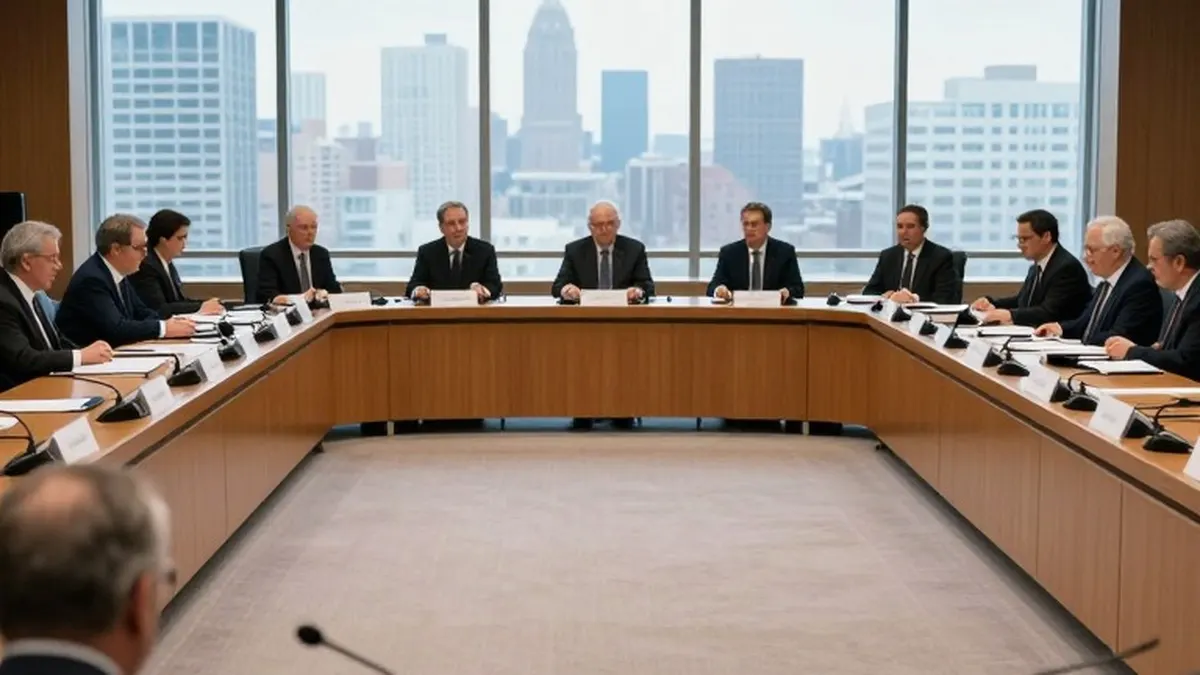
This declaration comes at a time of heightened tension between Jerusalem and Washington. The Trump administration has recently intensified its criticism of the Israeli government, accusing it of stalling on its commitments under the ceasefire agreement signed in October 2025. The Board of Peace, a body sponsored by the US, has repeatedly criticized the Israeli government for dragging its feet and hindering progress. The board has also pointed out that Hamas has failed to initiate the disarmament process, creating a stalemate that both sides are blaming the other for.
Jared Kushner, the lead Middle East envoy and son-in-law of President Donald Trump, has also voiced dissatisfaction. He criticized the Israeli government for failing to uphold its promises regarding Gaza. Kushner warned that such delays could result in Israel becoming an untouchable nation, a status that is particularly sensitive given the current sanctions and accusations of war crimes facing the state.
In response to these critiques, Katz clarified that President Trump has not personally compelled Prime Minister Benjamin Netanyahu to take actions that might compromise national security, such as withdrawing troops or starting reconstruction before Hamas is disarmed. Katz emphasized that the current strategy is a direct lesson learned from the Hamas invasion of October 7, 2023, which demonstrated the necessity of maintaining a large security zone within Gaza.
Despite the firm stance on core security issues, Katz indicated a willingness to offer concessions in other areas. He suggested that Israel could be more open to the deployment of international peacekeepers, specifically mentioning Moroccan forces that have been preparing for entry for several months. This potential shift marks a notable adjustment in the government's approach to international involvement in the Strip.
The minister also stated that there are no obstacles to the construction of a new neighborhood in the southern Rafah area, a project sponsored by the United Arab Emirates and located in the section of Gaza under Israeli control. Furthermore, Katz appeared to soften the previous stance against a Palestinian police force entering Gaza. Until recently, Netanyahu had considered the entry of such a force a red line, but Katz's comments suggest this barrier may now be negotiable.
These specific issues, including peacekeepers, construction, and police presence, are obligations Israel accepted as part of the October 2025 ceasefire. However, Netanyahu has consistently argued that none of these steps should proceed until Hamas has disarmed. The Board of Peace has repeatedly attempted to broker a deal where Israel allows partial progress on these obligations in exchange for partial disarmament by Hamas.
The political dynamics in Washington have shifted significantly in recent weeks. In the months leading up to the October 27 election, Netanyahu reportedly convinced Trump that moving forward during the election season could make him appear weak to his right-wing base. However, with nearly a month having passed since that election, officials in the Trump administration have lost patience with the continued delays. They are now expressing their frustration in louder and more public ways, signaling that the window for strategic delay may be closing.