King Tides and Kelvin Waves Set to Strike Oregon Coast
Record water levels and a super El Niño pattern are stacking up to create extreme high tides this week along the central coast.
By Marco Ortega ·
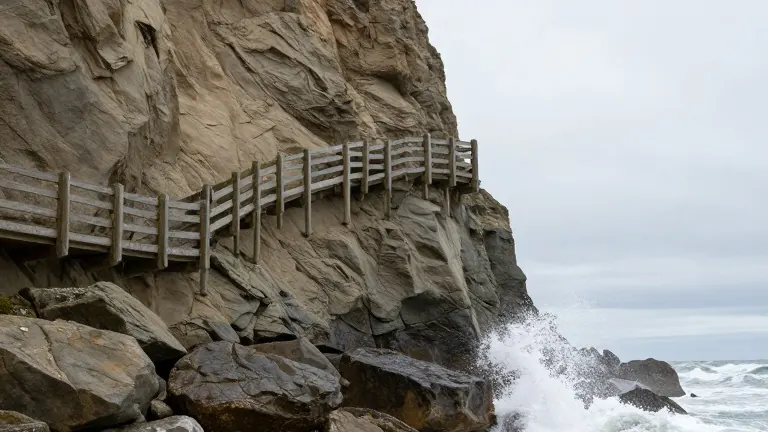
Thirty-foot swells have already battered the central coast this fall, but the first king tides of the season could push water levels higher than residents have seen in years.
The surge is being driven by a combination of climate factors. Kelvin waves, which are large pulses of warm water, are expected to reach Oregon this week. These pulses raise sea levels and push additional water toward the shore. This effect is layered on top of the gravitational pull of the king tides and the thermal expansion caused by the super El Niño pattern.
Sam Derrenbacher, community science and engagement manager at the Oregon Shores Conservation Coalition, described the compounding effect using a building block analogy. She noted that a typical tidal condition is the base. The Kelvin wave adds a second block. The king tides add a third. The thermal expansion from El Niño adds a fourth. This creates a structure that is four times higher than the usual baseline.
In Gleneden Beach, the physical impact is already visible. Taylor Wood, a local resident and fellow with the Surfrider Foundation, pointed to a steep bluff where the tides have eroded the beige rock. A weathered fence remains suspended above the sand on the exposed, concave surface. Wood called the area a high-erosion zone and described the recent surf as huge and intense.
Emergency shoreline armoring is the primary defense for many coastal properties. At the Gleneden Beach State Recreation Site, a strip of riprap covers the base of a bluff holding several beachfront homes. Wood said these rocks reflect ocean energy rather than absorbing it. This reflection causes scouring of the sand in front of the structure. The scouring leads to further erosion, which often requires more armoring, creating a cycle that Wood described as a domino effect.
City occupancy data from Explore Lincoln City shows a small rise in visitors during last year’s king tides. However, the spike remains much lower than summer levels. Dan Haag, interim director of the Tillamook Coast Visitors Association, reported seeing more cars than usual on U.S. Highway 101 between Tillamook and Nehalem. Both officials urged visitors to watch from a safe distance and avoid crossing private property.
The Oregon King Tides Project is asking visitors to photograph the high water marks. Derrenbacher said these images help scientists understand sea level rise. Municipalities can also use the photos to determine where infrastructure is being damaged. This data informs future decisions on how to protect communities from flooding and erosion.
More Business · Consumer Alerts · Report a business · Got a Story?