French public sector workers strike nationwide as protests intensify
Unions, students, and activists joined nationwide strikes in France on Tuesday, demanding pay rises and challenging the government's economic policies ahead of the presidential election.
By Chinedu Schneider ·
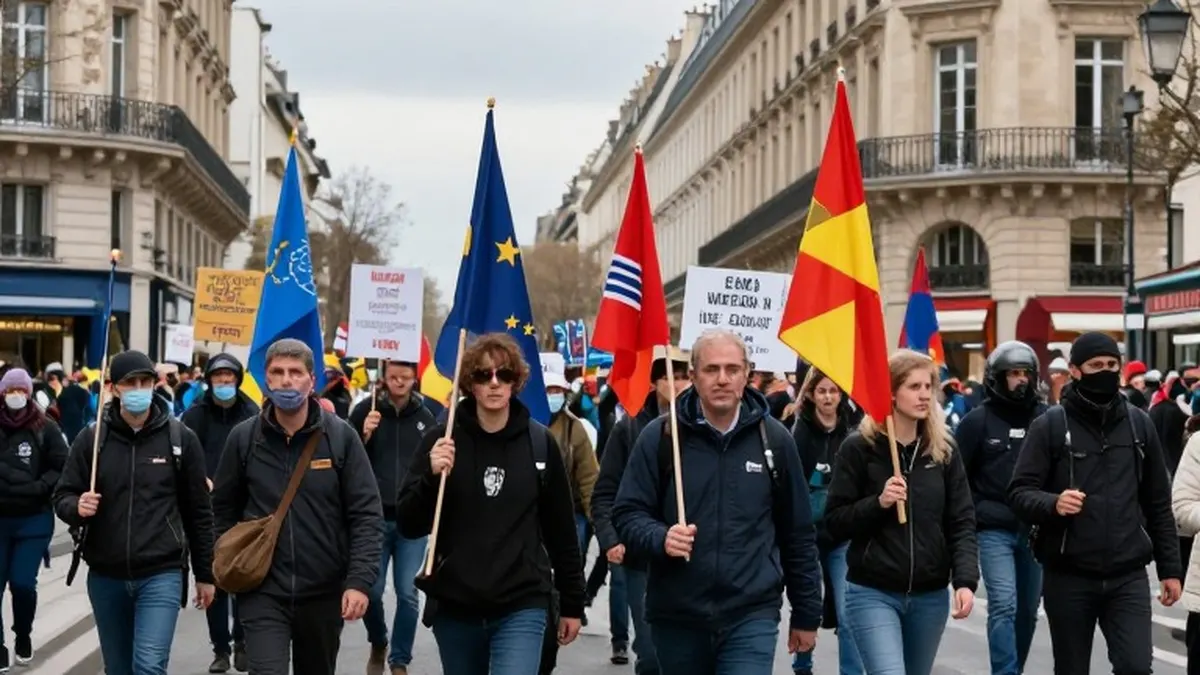
France experienced a new wave of nationwide strikes and demonstrations on Tuesday, November 17, as unions and youth groups mobilized to demand higher wages and improved working conditions. The action marks the third unified call for mobilization in the public sector since the beginning of the school year. With the presidential election approaching next spring, the protests have become a central feature of the country's political landscape.
The National Education Ministry reported that approximately 3.14 percent of its employees participated in the strike. The participation rate was higher among teachers, reaching 3.76 percent, while school support staff, including guidance counselors and supervision aides, saw a significantly higher turnout of 9.28 percent. These figures come amid ongoing discussions regarding the 2027 national budget.
In Paris, a major demonstration was scheduled to begin at 2:00 PM local time, with marchers moving from Place de la Nation to Place d'Italie. Police estimated that between 40,000 and 80,000 people would join the rally in the capital. Across the country, authorities expected between 220,000 and 300,000 demonstrators to take to the streets. Several major metro stations in Paris, including Charles-de-Gaulle-Etoile and Concorde, were closed to the public to facilitate the event.
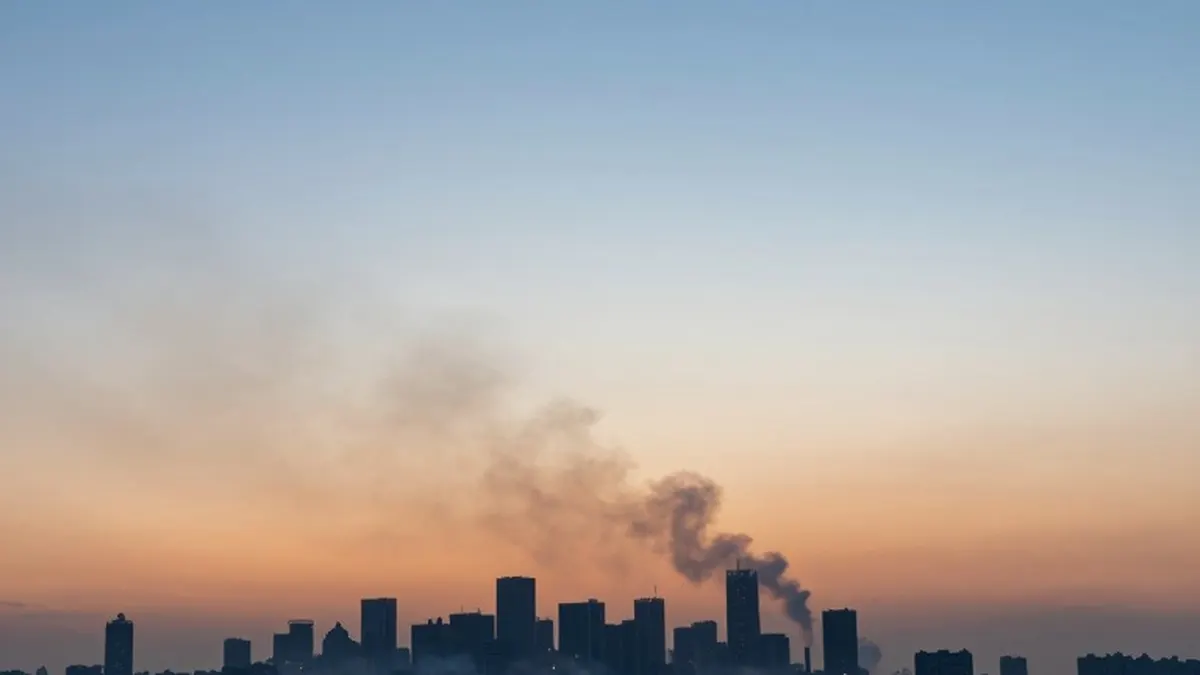
Tensions flared in several cities as protesters clashed with security forces. In Nantes, located in the northwest, fireworks exploded near CRS riot police, and tear gas was deployed as demonstrators confronted officers. In Lyon, a large group of students and university personnel gathered at Place Bellecour, with some participants dancing before the main march began. The movement has evolved from initial school blockades in September to a broader coalition involving various unions and Yellow Vest activists.
Government spokesperson Mathieu Lefèvre defended the administration's response to the unrest, describing it as a "very concrete" solution. Speaking on Sud Radio, he highlighted a plan to ensure no civil servant earns below the national minimum wage and to provide pay rises of up to 650 euros gross for more than 1.3 million employees. However, Lefèvre acknowledged that the government had limited room for maneuver due to political divisions in parliament and the upcoming election.
Sophie Binet, the general secretary of the CGT union, criticized the government's measures as "too little, too late." She argued that the planned 1.6 percent increase in the minimum wage was insufficient given the high level of social anger. Binet also commented on President Emmanuel Macron's recent acknowledgment of mistakes on social media, stating that he stubbornly refused to change an economic policy that favors the wealthy, leading to a surge in inequality and a record number of billionaires.
Marine Le Pen, the leader of the far-right party, used the protests to advance her campaign promises. She vowed to repeal President Macron's pension reform if elected, aiming to lower the retirement age to between 60 and 62. Le Pen also proposed creating a 900 billion euro fund to help finance pensions in the long term, noting that it would take a generation to build up the necessary capital.
Transport services were affected by the industrial action. SNCF, the national rail operator, warned of minor to major disruptions to overground TER services in several regions and to the RER D line in the Paris area. High-speed TGV services were reported to remain unaffected. The strikes occur as France races to adopt a 2027 budget while facing pressure to reduce its deficit against a backdrop of rising political tension.
The current protest movement began in September when high school students blockaded schools to highlight poor learning conditions, including a lack of teaching staff and dilapidated buildings. The movement has since expanded to address broader grievances such as inflation, the cost of living, and a proposed police law. While many rallies have remained peaceful, some have seen severe violence, sparking accusations of police brutality.
With less than five months remaining until the presidential election, the sustained unrest is expected to play a significant role in the upcoming vote. The protests highlight deep divisions within French society as various political factions, including the far right, seek to capitalize on public dissatisfaction to seize power.