
Nashvale Symphony Chorus Members Report Cognitive and Emotional Benefits
A 150-member adult chorus in Nashville cites vocal training and social music-making as key factors in maintaining brain health and managing personal loss.
By Marco Ortega ·
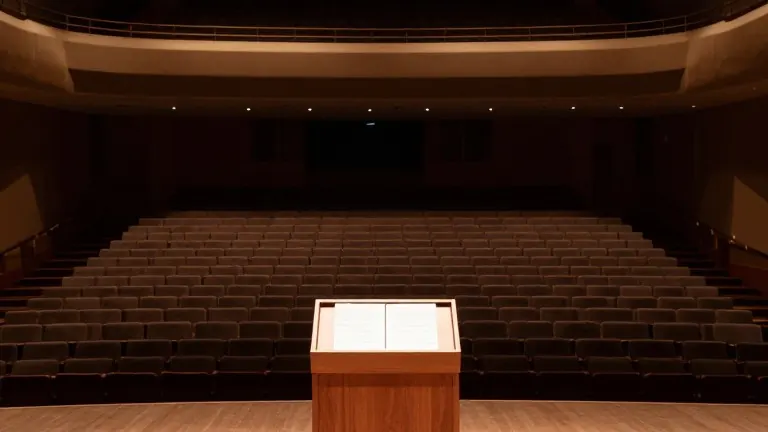
Members of the Adult Symphony Chorus in Nashville are using structured vocal training to maintain cognitive function and emotional stability. The group consists of 150 singers who perform alongside the Nashville Symphony. Participants range in age from 22 to nearly 80 years old. For many, the commitment extends beyond a hobby to a deliberate strategy for aging well.
Tucker Biddlecombe, the chorus director and associate dean of Vanderbilt’s Blair School of Music, describes the ensemble as a dedicated community. "It’s a really involved, dedicated group of people who care about music first, then care about each other equally first," Biddlecombe said. The intellectual demand of the work is high. Duane Hamilton, a 73-year-old former disc jockey and long-haul truck driver, noted that "sight reading is no joke."
Older members often supplement their group rehearsals with individual study. Carla Davis, a 77-year-old retired pathologist, takes private voice lessons to accommodate age-related changes in her vocal apparatus. "It takes a lot of work," Davis said. She described the activity as essential to her daily life, stating, "I can’t imagine a life without singing."
Research cited in the book The Alzheimer’s Solution by Dean and Ayesha Sherzai supports this approach. The authors argue that challenging the brain through new learning and social activities activates all areas of the brain. This process can pause dementia. When combined with proper nutrition, exercise, stress management, and sleep, the Sherzais say people can reduce their risk of Alzheimer’s disease by 60%.
Biddlecombe explained the neurological impact of the practice. "The strongest neural connections are the ones that bring us joy," he said. He added that the group is "strengthening the neurons and synapses that are supposed to be strong and weakening the ones we want to get rid of."
The chorus also serves as a mechanism for coping with personal challenges. Dr. Chris Mixon, a retired pathologist and cancer researcher, has sung with the group for 25 years. He spends two and a half hours a week on his music. "When you’re with a group of people, when you’re really into the music and can do your part, stage fright disappears," Mixon said. He must re-audition every two years to remain in the group.
Hamilton recently lost his brother, who introduced him to choral music. He described the rehearsals as a soothing balm during the loss. "There are moments in this rehearsal when I have to stop and take it in because it touches me," Hamilton said. The next step for the group is to prepare for upcoming performances, requiring continued weekly practice and the biennial auditions that govern membership.
More Business · Consumer Alerts · Report a business · Got a Story?