Nvidia CEO's Return Sparks Debate Over Accountability in Tech
Jensen Huang's reinstatement after misconduct allegations has intensified discussions about gender dynamics and corporate culture in the technology sector.
By Marco Ortega ·
The recent reinstatement of Nvidia Chief Executive Officer Jensen Huang has reignited a national conversation regarding the treatment of misconduct allegations against high-profile leaders in the technology industry. Huang returned to his position following a unanimous board vote on Monday, a decision that arrived just over a year after other prominent executives faced significant consequences for similar personal conduct issues. This swift turnaround has led many observers to question whether a culture of leniency is returning among the wealthy and influential.
Huang initially stepped down from Nvidia after acknowledging an extramarital affair with a woman suspected of being a Chinese spy and reports of a relationship with a subordinate. He admitted to violating the company's code of conduct, which discourages personal relationships that could create conflicts of interest. The decision to bring him back followed a pressure campaign from allies in the tech sector and President Donald Trump. The board cited assurances from the U.S. government that Huang was not a national security risk, though they did not explicitly address the sexual misconduct claims in their statement.
President Trump played a visible role in the narrative surrounding Huang's return. In a CNBC interview, the President remarked that the scandal might actually benefit Huang's reputation, stating, “Sex sells, fellas.” He also shared a modified image of Huang holding a red bra in a pose that mimicked a famous photograph of Trump taken after the 2024 assassination attempt in Butler, Pennsylvania. While the White House did not immediately respond to requests for comment, Trump’s comments have fueled criticism that powerful men often escape serious scrutiny for their behavior.
Legal and business experts have expressed concern that this outcome sends a mixed message to the workforce. Cheyenne Hunt, an attorney and founder of Reckoning Action, described the situation as evidence that some men view the coercion of women as a tool for power. She warned that this dynamic suggests it is acceptable to target direct reports. Randall Peterson, a professor at London Business School, noted that the #MeToo movement had previously established that relationships between leaders and subordinates are problematic due to the inherent risk of coercion. He expressed sadness that the current messaging suggests a return to the pre-#MeToo era, where such risks were often overlooked.
Upon his return, Huang addressed his employees in a livestreamed meeting, acknowledging his mistakes and noting that he was undergoing daily therapy. He clarified that his reinstatement did not signal a relaxation of standards for other staff, explaining that forgiveness is sometimes appropriate but not always. He also responded to reports about his management style, including instances where he publicly reprimanded employees, by promising that the human resources department would collect more feedback on his conduct going forward.
Critics argue that the incident highlights a lack of independence within Nvidia’s board and a corporate culture that idolizes its CEO. Ann Lipton, a law professor at the University of Colorado Boulder, stated that the saga makes it clear that Huang is viewed as untouchable. She suggested that significant success often allows individuals to escape accountability for their actions. This perspective is particularly relevant in the male-dominated tech industry, where figures like Mark Zuckerberg have recently emphasized the need for more masculine energy in corporate culture.
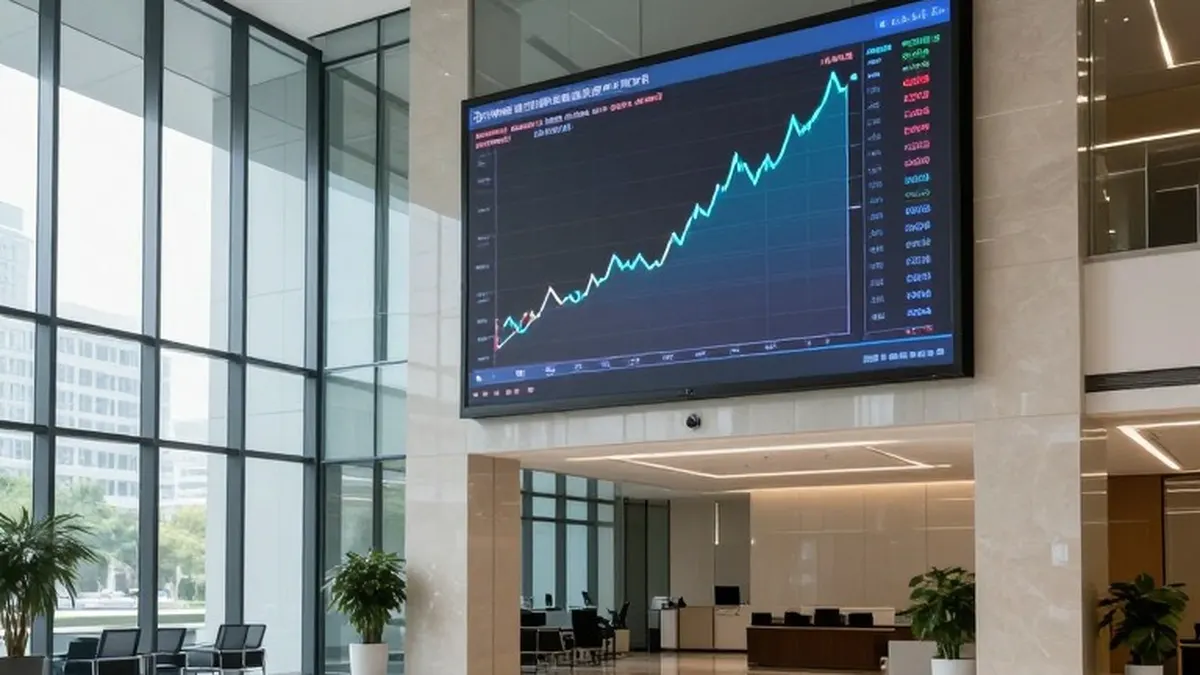
The financial impact of Huang’s return was immediate, with Nvidia shares surging 31.5% on Monday, although they have since declined. Employees gathered at headquarters to chant his name, reflecting the strong support he commands. Freada Kapor Klein, an investor and activist, described successful tech companies as cult-like, where membership in an exclusive group creates intense loyalty. She noted that tech culture glorifies genius and technological prowess in a way that goes beyond standard business success.
Despite Nvidia’s efforts to promote gender pay parity and support diverse employee groups, women make up only 21% of its global workforce and an even smaller percentage of its leadership. The company’s code of conduct requires employees to report suspected violations and offers protections against retaliation. However, Fatima Goss Graves, president of the National Women’s Law Center, argued that Huang’s triumphant return is the type of outcome that can silence victims. She emphasized that while the #MeToo legacy continues to inspire women to speak out, public scandals like this one often lead to increased complaints and scrutiny.
The timing of Huang’s reinstatement coincided with the resignation of Democratic Representative Jimmy Gomez, who stepped down after an ethics report found substantial evidence of unwelcome sexual advances toward a staffer. This juxtaposition has drawn bipartisan attention to the differing standards applied to politicians and tech leaders. Huang is expected to testify before the Senate Banking Committee next week, a step that Goss Graves believes is critical for determining whether the public will continue to hold powerful figures accountable or simply accept that some are too important to be questioned.
More News · National news · Report a business · Got a Story?