Investigators: Washington Pulp Mill Had History of Safety Failures Before Fatal Rupture
State officials announced that Nippon Dynawave Packaging faced significant fines and potential criminal charges after a May chemical tank explosion killed 11 workers.
By Marco Ortega ·
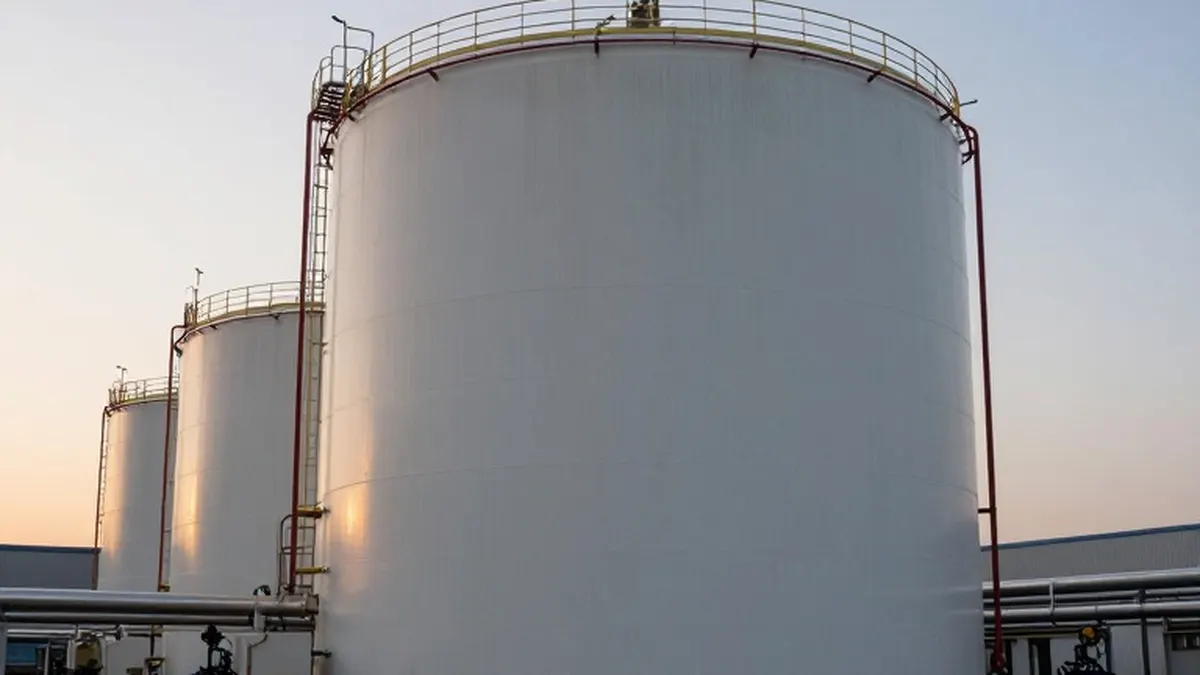
State investigators revealed on Friday that a Washington pulp mill had a long history of severe and willful safety violations prior to a chemical tank rupture in May that claimed 11 lives. The facility, operated by Nippon Dynawave Packaging Co., failed to inspect or repair more than a dozen other tanks at the site, according to the findings released by the state.
The company now faces over $10 million in state fines, which includes the largest employer safety fine in Washington history. Officials stated that they plan to refer their findings to prosecutors for possible criminal charges. Dan Pitts, the state Labor and Industries compliance manager, described the condition of the ruptured tank as a ticking clock during a press conference in Longview. He noted that without repair or replacement, it was only a matter of time before the failure occurred.
The disaster took place on May 26, when a tank containing more than 900,000 gallons of white liquor, a highly corrosive chemical used in paper manufacturing, ruptured. The release of the caustic material was powerful enough to blow out building walls and overturn pickup trucks. In addition to the 11 workers who were killed, 12 others were injured in the incident.
Joel Sacks, the Labor and Industries Director, stated that Nippon’s decision to keep the specific tank operating while knowing it was unsafe contributed to the deaths. Because of this, the agency will refer the case to prosecutors to consider criminal charges. Nippon did not immediately respond to requests for comment regarding the state’s findings.
The state Ecology department also announced that it has issued 34 violations impacting air and water quality. The department is seeking $961,000 in penalties and costs for responding to the emergency. Most of these environmental violations resulted from the spread of white liquor across the site. The chemical reached storm drains and a wastewater treatment system, with some discharging into the Columbia River and a nearby ditch, resulting in the death of fish.
Investigators also found that Nippon’s emergency response and planning fell short of state requirements. The company had not effectively prepared its staff to handle an emergency, and there was no employer-led incident command for several hours after the tank failed. Pitts said that failures in the response were a contributing factor in the serious injuries sustained by four of the 12 workers who were hurt.
The state investigation aligns with an August report from the U.S. Chemical Safety Board. That report revealed that inspectors hired by the company in 2025 found the ruptured tank was not fit for continued service due to deteriorating thickness in the tank walls. A review of prior records showed that Labor and Industries had investigated more than a dozen safety complaints at the plant since 2018 and issued almost $7,000 in fines for violations.
Ecology had issued 54 environmental violation notices against the company since 2016 and fined them $41,500 for eight serious offenses. The agency reported that more than $2.4 million in workers’ compensation claims have been paid for 169 employees injured on the job since 2015, including injuries related to exposure to caustic substances.
Nippon Dynawave said in an email on Wednesday that it has remained engaged with government agencies investigating the collapse. The company noted that the mill has hosted hundreds of visits by regulators and investigators. They stated that the full deconstruction and forensic examination needed to determine the root cause have not yet been completed, with the tank currently being carefully deconstructed to retain portions for analysis.
Among the workers killed were brothers Tyler and Brad Covington. Their mother, Sheri Lynn King, has filed a wrongful-death lawsuit against Nippon Dynawave. The lawsuit claims the company failed to maintain and inspect equipment, properly train and supervise employees, and implement adequate safety policies and emergency response procedures. Nippon plans to restart operations in December, with officials monitoring the company to ensure identified hazards are fixed.
More News · National news · Report a business · Got a Story?