European Governments Push 72-Hour Emergency Prep as Cyber Threats and Heatwaves Grow
European nations are urging citizens to stockpile 72 hours of supplies as cyberattacks and extreme weather highlight the need for resilience.
By Bianca Shevchenko ·
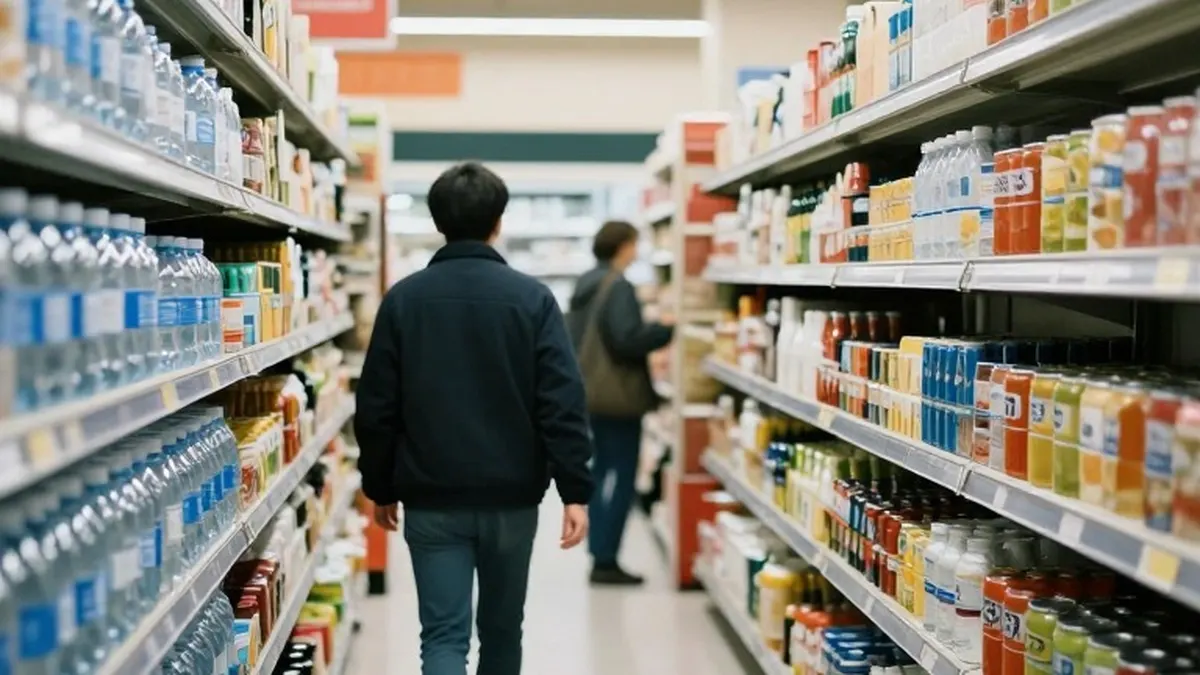
Across the continent, national authorities are actively encouraging residents to stockpile supplies sufficient to sustain a household for up to 72 hours without external support. The recommendation covers essentials such as food, water, electricity, and communication devices. This shift toward official government advice marks a significant change from the trend previously driven largely by online preppers and digital doom-mongering.
The push for preparedness involves campaigns launched by France, the United Kingdom, Ireland, and the Netherlands. These initiatives urge citizens to prepare for disruptions caused by extreme weather events or cyberattacks that could compromise digital networks and critical supply chains. The advice specifically includes purchasing bottled water, canned foods, AM/FM radios, and sleeping bags.
Recent events have provided tangible evidence of the risks these campaigns aim to mitigate. Last month, major French supermarket chains suffered a cyberattack that caused the internal temperatures of thousands of refrigerators and freezers to rise sharply. This incident led to the waste of tens of thousands of pounds of food and heightened concerns regarding national food security. French officials later identified a cyber unit belonging to Iran's Islamic Revolutionary Guard Corps as the likely culprit.
A nearly identical attack targeted grocery stores in several other European nations a few weeks later. Belgian authorities also attributed that incident to Iran. Furthermore, a record-setting heatwave struck the continent last summer. It triggered wildfires and severe drought conditions, affecting even northern England, where sustained excess heat and low precipitation have historically been rare exceptions rather than the norm.
In the United Kingdom, the government's "Be Ready" campaign, which launched in late October, appears to be influencing consumer behavior. Mehmet Ahmet, the owner of the Outdoor Emporium in North London, reported a 100% uplift in business since the campaign began. He noted that sales of flashlights and gas stoves have increased particularly significantly.
Retail data supports these anecdotal reports. A report compiled by Worldpanel by Numerator, cited by Getty, indicates that bottled water sales in the U.K. surged by 67% following the campaign's launch. Sales of canned and jarred foods also rose by 37%. However, not all residents are equally convinced by the need for preparation.
On Oxford Street, a central retail district in London, some locals expressed skepticism when asked about their readiness. Ryan, a resident of South London, described the effort as ridiculous. He stated that he believes the probability of a major disruption is low and that he will only begin to panic if an event actually occurs.
Other Europeans visiting London took a more measured view of the situation. One man from the Netherlands, who declined to provide his name, explained that he was preparing for potential disruptions. He reasoned that while the effort required was small, the potential impact of a crisis would be significant.
The trend of emergency preparedness is not limited to Europe. In the United States, American wholesaler Costco experienced a surge in sales following the Microsoft Outlook outage and an FAA hours-long ground stoppage earlier this month. Mizuho analyst David Bellinger noted that consumer anxiety over these events, combined with apocalyptic concerns on social media, drove increased emergency prep sales.
A woman visiting London from Chicago told CBS News that she plans to start stocking up upon her return home. She cited recent tornadoes that touched down in Chicago for the first time in history, noting that many residents were without power for up to 10 days during the summer.