Rama faces renewed pressure as Tirana crowds turn violent
Tear gas and water cannons marked the 114th independence anniversary, capping months of unrest that began with the Flamingo development dispute.
By Bianca Shevchenko ·
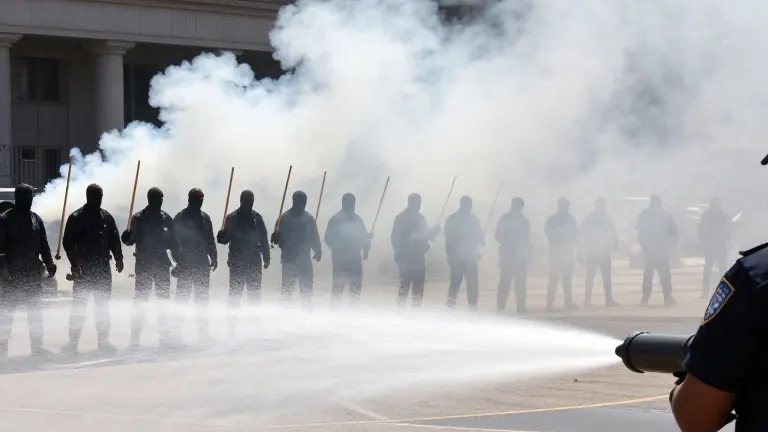
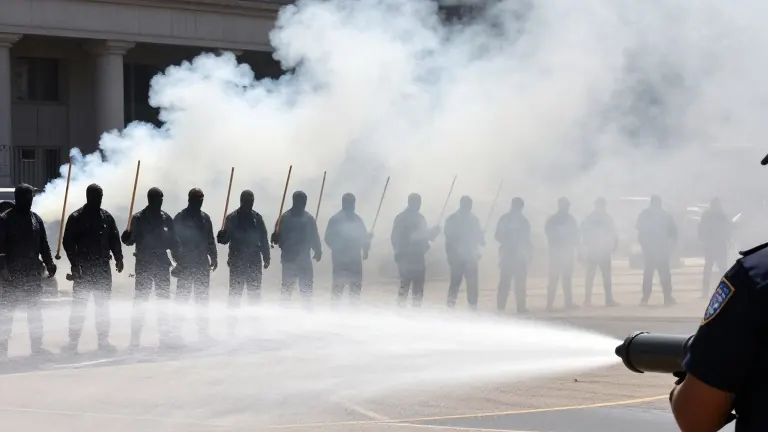
Prime Minister Edi Rama faces a sharpened demand for his resignation after police deployed tear gas and water cannons to clear thousands of demonstrators from Tirana’s streets. The unrest on Saturday disrupted the national holiday for the 114th anniversary of Albanian independence, turning a day of public celebration into a confrontation between the state and its citizens.
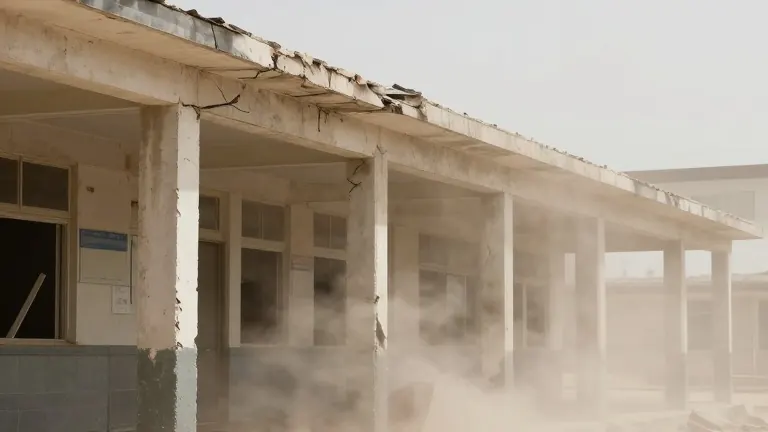
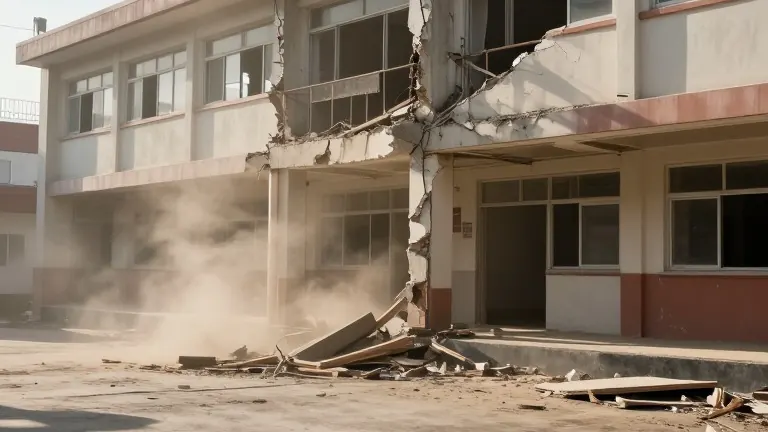
The day began with a peaceful march, but the mood shifted as small groups of masked protesters broke away from the main crowd. These groups moved toward ministry buildings along the route, smashing windows and hurling Molotov cocktails. Police responded with force, using tear gas to push back demonstrators who threw rocks and used wooden sticks to target street cameras and government windows.
The current wave of anger builds on a series of events that began in late May. Initial demonstrations opposed a luxury tourism development on the southern coast linked to an investment firm founded by Jared Kushner, son-in-law to U.S. President Donald Trump. Known as the Flamingo movement, the protests quickly expanded. By September, students joined the fray, demanding better education and living standards. Their participation broadened the main demand to include Rama's exit from power.
Citizens traveled from across Albania and abroad to join the Saturday rally. Police conducted vehicle checks on main roads leading into the capital to manage the influx. Arian Lleshi, a 33-year-old who flew in from the United Kingdom, cited a long period of suffering as his reason for attending. “We are like stateless citizens,” Lleshi said. He argued that political parties established after the fall of communism in the 1990s no longer represent the people and must make way for a new generation.
In Skanderbeg Square, protesters chanted “Resignation!” as they gathered. Juna Vasili, a student, said the crowd was demanding a change to the entire system because life has become very difficult. Suzana Gjeta, a retiree, spoke for those living on 120 euros a month, hoping the current system and its associated corruption would end.
The next phase of these demonstrations remains fluid, with no fixed date set for the next major rally. However, the political parties that have governed since the 1990s face mounting pressure to cede ground to younger leaders. The government has not announced a specific schedule for negotiating with the opposition or the student groups.
Saturday’s clashes represent the most intense physical confrontation since the student protests in September. The use of tear gas and water cannons was widespread across several streets in the capital. Police remained deployed along key routes into the evening to prevent further gatherings.