FCC authorizes SpaceX to build million-satellite AI network in orbit
The US regulator has granted the first global approval for a space-based data center project named Starmind, aiming to harness solar power for artificial intelligence.
By Chinedu Schneider ·
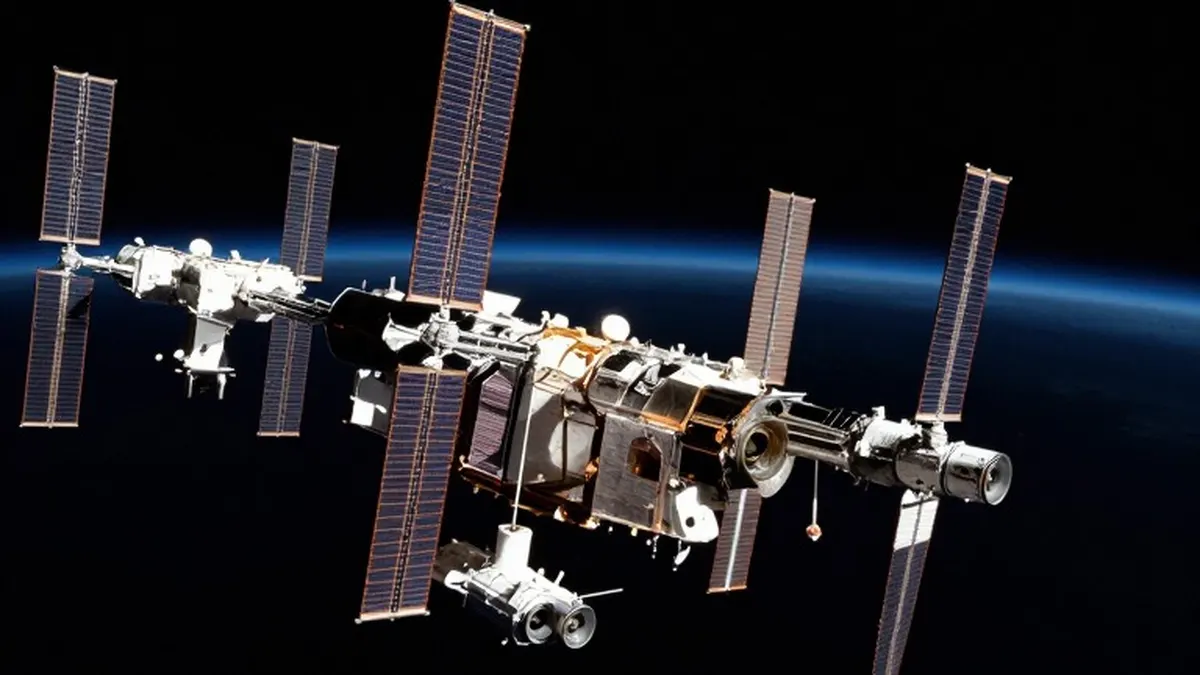
The US Federal Communications Commission approved a groundbreaking plan on Wednesday that allows Elon Musk's SpaceX to launch up to one million satellites into Earth orbit. This authorization establishes a vast network of space-based data centers designed specifically for artificial intelligence applications. It marks the first time a regulator has granted permission for such a large-scale orbital infrastructure project.
If fully realized, the initiative will increase the number of satellites currently orbiting the planet by approximately fifty times. The project, which carries the name Starmind, operates on the premise that solar energy in space can be collected more efficiently to power advanced computing systems. These orbital units will process massive datasets for AI models and transmit the results back to Earth by linking with existing networks, including Starlink.
FCC Chairman Brendan Carr stated that the decision unlocks new possibilities for computing infrastructure, which is essential for maintaining the United States' technological and economic dominance. Musk expressed support for the move on the social media platform X, describing the project as a significant asset for both the US and the global community.
The push for space-based computing is driven by the rapid expansion of the AI industry and the resulting demand for power. Terrestrial data centers require thousands of servers and advanced chips that consume enormous amounts of electricity. They also necessitate complex cooling systems that often use significant quantities of water. This has led to growing opposition from residents living near proposed data center sites, who worry about rising utility costs and local resource strain.
SpaceX argues that orbiting above the atmosphere allows for near-continuous access to solar energy. This could lower computing costs and reduce the environmental footprint of the AI industry on Earth. The company is not the only one exploring this concept, as Google and Blue Origin, the space venture founded by Amazon CEO Jeff Bezos, are also developing their own space-based computing initiatives.
Despite the regulatory green light, significant technical hurdles remain. A primary challenge is cooling the hardware. While space is cold, the lack of air makes it difficult to dissipate heat generated by processors. Engineers must design specialized systems to radiate this heat into the vacuum. Additionally, the economic viability of the project hinges on SpaceX's ability to drastically cut launch costs through its reusable Starship spacecraft.
The plan has faced criticism from both industry rivals and scientific bodies. Amazon and the American Astronomical Society are among those opposing the deployment. Astronomers warn that a million new objects in orbit could increase collision risks, contribute to space debris, and interfere with ground-based astronomical observations.
The approval comes with strict deadlines. SpaceX must begin deploying the satellites by November 2033. The company is required to have 100,000 units in orbit by November 2035 and reach half a million by November 2038. The final target for completing the full million-satellite deployment is November 2040.
SpaceX has indicated it intends to launch the first satellite in the coming year. However, it remains uncertain whether the company will ultimately launch all one million authorized satellites or adjust the scale of the network based on technological and market developments.