Spain's Traditional Set Lunch Struggles Against Rising Costs and Changing Routines
The daily fixed-price meal, a cornerstone of Spanish dining for decades, faces decline as economic pressures and modern lifestyles reshape the nation's eating habits.
By Rahul Mehta ·
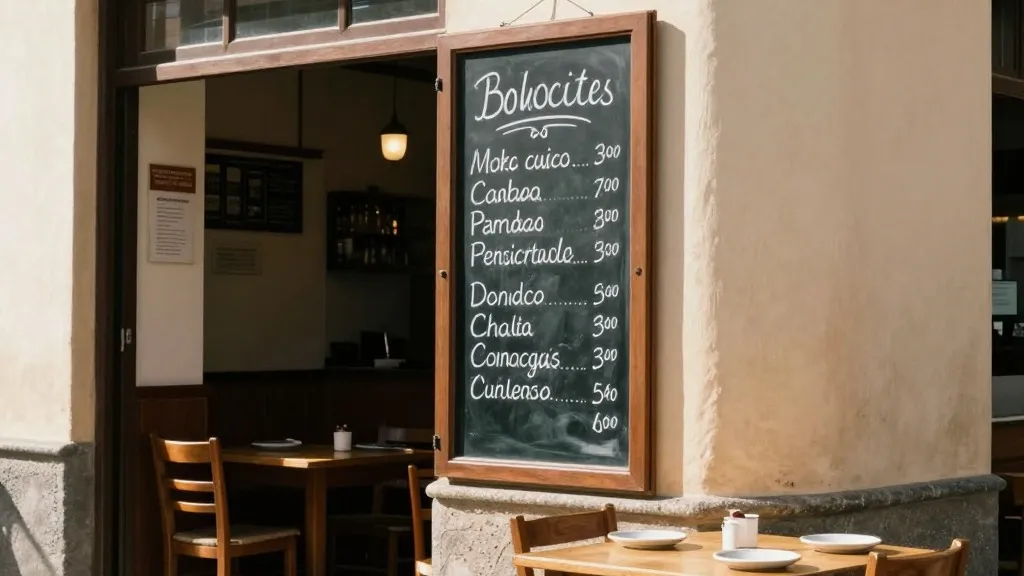
The fixed-price lunch that has anchored the midday meal in Spanish culture for over sixty years is showing signs of fatigue.
Restaurants across the country still serve approximately four million of these set meals on any given weekday. However, the tradition is gradually losing its grip on the national routine. In 2009, the celebrated chef Ferran Adrià declared the format effectively extinct. He attributed this shift to evolving dietary preferences, economic recessions, and the rise of bistro-style establishments. These newer venues often charge between twenty and thirty euros for a meal that traditionally includes a simple starter, a substantial main course, and a choice of dessert or coffee. Bread and a drink are also part of the standard offering. Seventeen years after that prediction, the format remains widespread, suggesting the earlier verdict may have been premature.
Lakshmi Aguirre, a Spanish food journalist, has examined the history and current state of this culinary institution in her new book. Titled Menú del Día: Everyday Scenes of a First Course, a Second Course and Pudding, the work argues that while the tradition is under significant threat, it has not yet disappeared. The origins of the meal are rooted in a specific political and economic context. It emerged in the mid-1960s as a strategy to promote tourism. Manuel Fraga, who served as the information and tourism minister under dictator Francisco Franco, devised the concept. The goal was to counter the image of scarcity following the Spanish civil war. The regime wanted to demonstrate to foreign visitors that Spanish food was abundant, high quality, and affordable.
Regulations dictated specific components for the meal. Establishments were required to serve a soup starter. The main course had to be a choice of egg, fish, or meat, selected from at least three options and accompanied by a side dish. Desserts were limited to fruit, sweet items, or cheese. Prices were strictly controlled, ranging from fifty to two hundred and fifty pesetas. The law also mandated that the accompanying quarter-litre of wine be pure, clean, and pleasant Spanish red or white with an alcohol content of at least twelve percent. These rules were designed to prevent restaurants from diluting the drinks. In the early 1970s, the term was changed to discourage the perception that it was merely a tourist trap. The new name aimed to encourage local Spaniards to adopt the habit as well.
Today, the origins of the menú are largely forgotten by the general public. Aguirre noted that many people were surprised when she mentioned Fraga's role during her research. She observed that this collective amnesia says a lot about Spanish society. She described the meal as a historical mirror that reflects the evolution of the country. Nostalgia for the format is growing as people become aware of its gradual decline. Several factors are contributing to this shift. The average price has risen to fourteen euros and seventy cents. Busy workers often opt for quicker alternatives, such as bringing food from home or heating up supermarket meals. Rising energy and food costs make it difficult for small, family-run businesses to maintain a rotating daily menu.
Some restaurants have adapted by offering a single dish of the day instead of a full set. Others have incorporated Latin American staples to reflect Spain's changing demographics. Aguirre accepts these changes, noting that the menú has always mirrored the society that consumes it. Her personal preference remains a simple vegetable stew, followed by hake in green sauce or baby squid in ink, and finished with fried milk or rice pudding. She evaluates a good venue based on simple dishes, a regularly changing menu, and fresh ingredients. She looks for chips that are not frozen and a regular clientele. Her ideal chalkboard lacks trendy words like avocado, burrata, tartare, truffle, or sourdough bread. She gives bonus points if the owner's child is doing homework at a table in the back.
For Aguirre, the loss of the menú represents more than just the end of a cheap meal. She describes it as a vital social meeting point. It provides a place where families with limited budgets can dine out and where people living alone can find companionship. She emphasizes that the true privilege of the menú is not just affordability. It is also the time to enjoy the meal, a luxury that is increasingly rare in modern life.
Source: The Guardian