Ukraine Continues to Await US Approval for Approximately 60 Patriot Missiles
Washington has yet to approve the transfer of approximately 60 allocated Patriot interceptor missiles to Ukraine, despite a scheduled delivery timeline and ongoing diplomatic efforts to streamline the process.
By Chinedu Schneider ·
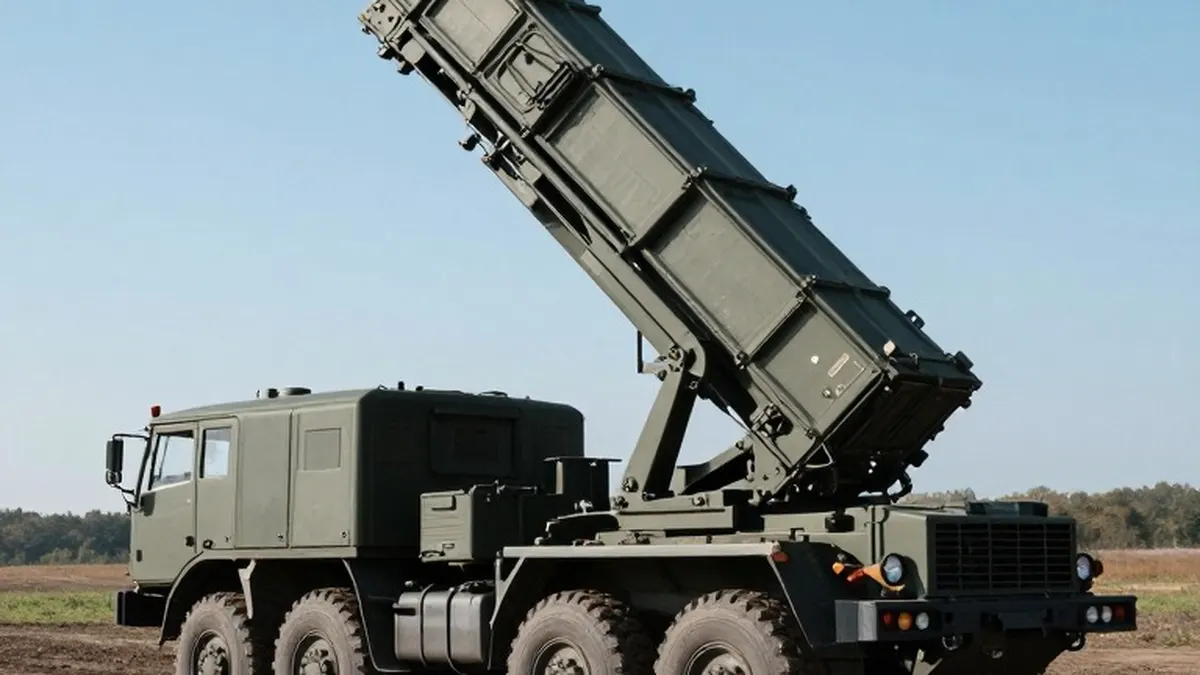
The United States has secured allocation for Patriot air defense interceptor missiles destined for Ukraine, but the physical transfer of these weapons remains stalled due to pending approvals from Washington. According to a report by the Financial Times, US Secretary of Defense Pete Hegseth has not yet given the final green light for the delivery of these critical assets. The pending shipments consist of roughly 60 interceptor missiles, a significant number for Ukraine's air defense network.
The allocated missiles include both PAC-3 and PAC-2 interceptor models. While some of these specific units are currently stored in European arsenals and funded by Kyiv's Western allies, the export process still requires American clearance. Because the interceptors were manufactured in the United States, Washington retains the authority to approve their export and re-export. This regulatory requirement applies even when the weapons are moving from European stockpiles to Ukrainian forces.
A detailed breakdown of the outstanding PAC-3 deliveries reveals a schedule that spans from September to December. The report indicates that eight interceptors were originally due for delivery in September, followed by ten in October and another ten in November. An additional twelve PAC-3 missiles were scheduled to arrive in December. Despite this timeline, none of these batches have yet received the necessary approval for transfer from the US Department of Defense.
In addition to the newer PAC-3 systems, approximately twenty older PAC-2 interceptors have also been allocated to Ukraine. These missiles are similarly awaiting the final administrative approval required to move them into Ukrainian service. The delay affects a combination of both newer and older models, highlighting a bureaucratic hurdle that extends across the entire Patriot supply chain.
The Financial Times also noted that a separate initiative aimed at securing US approval for Ukraine to manufacture its own Patriot interceptors is currently facing obstacles within the Pentagon. This potential shift toward local production could have long-term implications for supply reliability, but it remains on hold pending further discussions and approvals in Washington.
A spokesperson for the Pentagon addressed the situation by stating that there had been no change in US policy regarding support for Ukraine. However, the official declined to provide specific details about the weapons in question. The spokesperson emphasized that the Department of War has pursued multiple parallel lines of effort to accelerate transatlantic industrial cooperation on the Patriot system with European partners and Ukraine. The official noted that this work continues to this day.
Ukrainian President Volodymyr Zelenskyy has previously highlighted the urgency of the matter. In October, he stated that he was still awaiting Hegseth's approval for the transfer of additional interceptors. Zelenskyy pointed out that Ukraine has been receiving an average of only twelve missiles for its Patriot systems per month, a rate he suggested was insufficient to meet current operational needs.
During a meeting of the Ukraine Defence Contact Group, also known as the Ramstein format, on November 17, Zelenskyy proposed a new strategy to address the shortage. He suggested that allies supply Ukraine with interceptor missiles for Patriot and IRIS-T systems from their existing stocks. In exchange, Ukraine would transfer new missiles to its partners once those weapons have been manufactured under orders already placed by Kyiv. This proposal aims to create a more fluid and sustainable supply chain for air defense components across the alliance.
The current situation underscores the complex logistics involved in sustaining Ukraine's air defense capabilities. While political commitment remains strong, the administrative processes governing the movement of US-made weapons continue to pose challenges. Both Kyiv and its allies are looking for ways to streamline these approvals and potentially increase the volume of interceptors reaching the front lines in the coming months.