Russian Oil Refining Falls to Lowest Level in More Than 20 Years Amid Ukrainian Strikes
Estimates reported by Bloomberg show Russian refinery processing nearly halved between 30 October and 23 November, as Ukrainian attacks added pressure to the domestic fuel market.
By Bianca Shevchenko ·
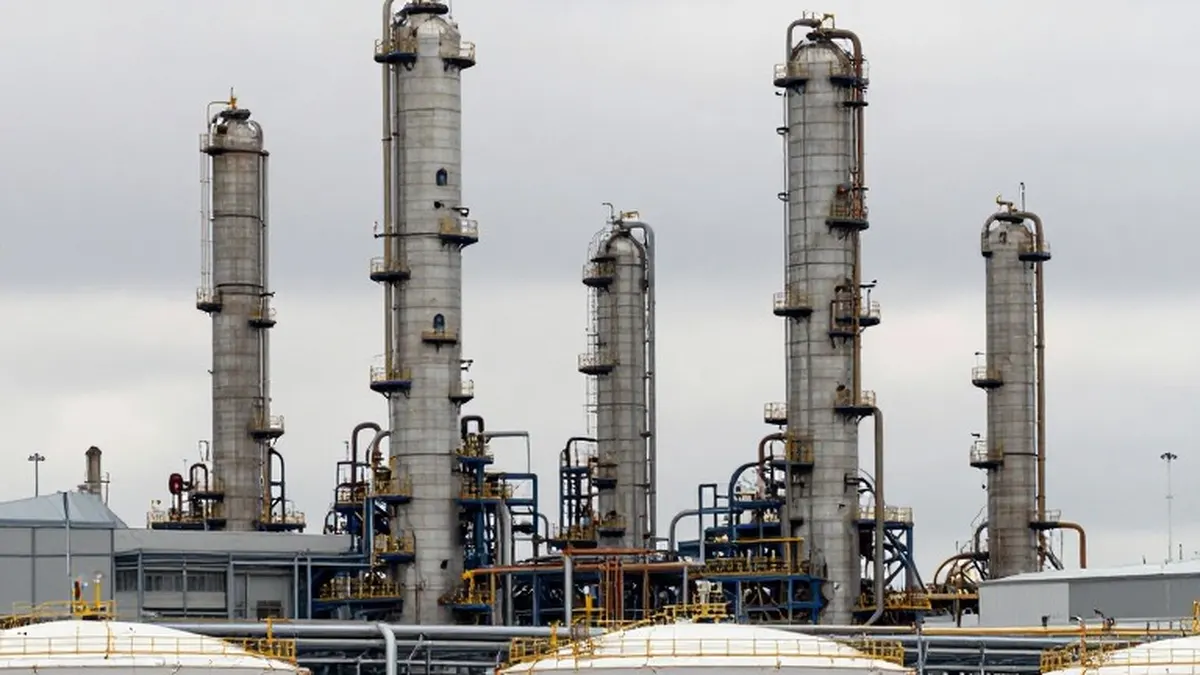
Russia's oil refining volumes have dropped to their lowest level in more than two decades as Ukraine continues striking the country's refineries, according to estimates from analytics company Rystad Energy reported by Bloomberg. The decline comes as Russia's domestic fuel market faces continued difficulties following periodic shortages since the summer.
Rystad estimated that Russian refineries were processing between 2.6 million and 2.7 million barrels of crude oil a day as of 23 November. That was almost half the volume recorded on 30 October. Processing has now fallen below even the multi-year lows reached during earlier waves of attacks this year.
The estimates draw on several sources of information used to monitor refinery activity. Rystad tracks crude oil supply chains and tanker movements, examines satellite imagery and gathers information from industry sources to calculate processing volumes. Its latest figures do not include the effects of strikes on two refineries in Russia's Samara Oblast on 25 November.
According to Bloomberg's calculations, Ukraine has attacked at least 18 Russian oil refineries since late October. The attacks have had differing effects on operations. Some facilities have kept processing crude at reduced capacity following earlier drone strikes, while others have returned to operation quickly after being hit.
The latest attacks threaten to worsen conditions in the domestic fuel market. On 24 November, Vladimir Putin said the situation in Russia's petroleum products market remained difficult. He also threatened retaliation over the continuing strikes on refineries, which have come amid the country's recurring fuel shortages.
The fall in refining activity is already having an impact at Russian petrol stations. Figures from Russia's Federal State Statistics Service show that average retail petrol prices increased by 0.5% during the week of 17 to 23 November. That was the biggest weekly rise recorded since early September.
Refinery shutdowns have also changed where Russia sends its crude oil. Moscow has been forced to export unprocessed oil that would otherwise go through its refineries. Those additional shipments have increased overseas oil sales and contributed to a surplus in supply, even as Russia's domestic fuel market remains under pressure.
Among the facilities that have stopped operating is the Novoshakhtinsk oil refinery. It halted operations after a large-scale missile and drone attack, adding to the disruption affecting Russia's refining industry.