UN reports at least 25 seafarers killed near Hormuz since war began
The United Nations has called for maritime navigation to be restored as security incidents rise and shipping through the Strait of Hormuz remains sharply below pre-war levels.
By Marco Ortega ·
At least 25 seafarers have died in and around the Strait of Hormuz since the US-Israeli war on Iran began in February, according to figures presented to the United Nations Security Council. The toll covers the period through November 11, as maritime security incidents continue to disrupt commercial traffic.
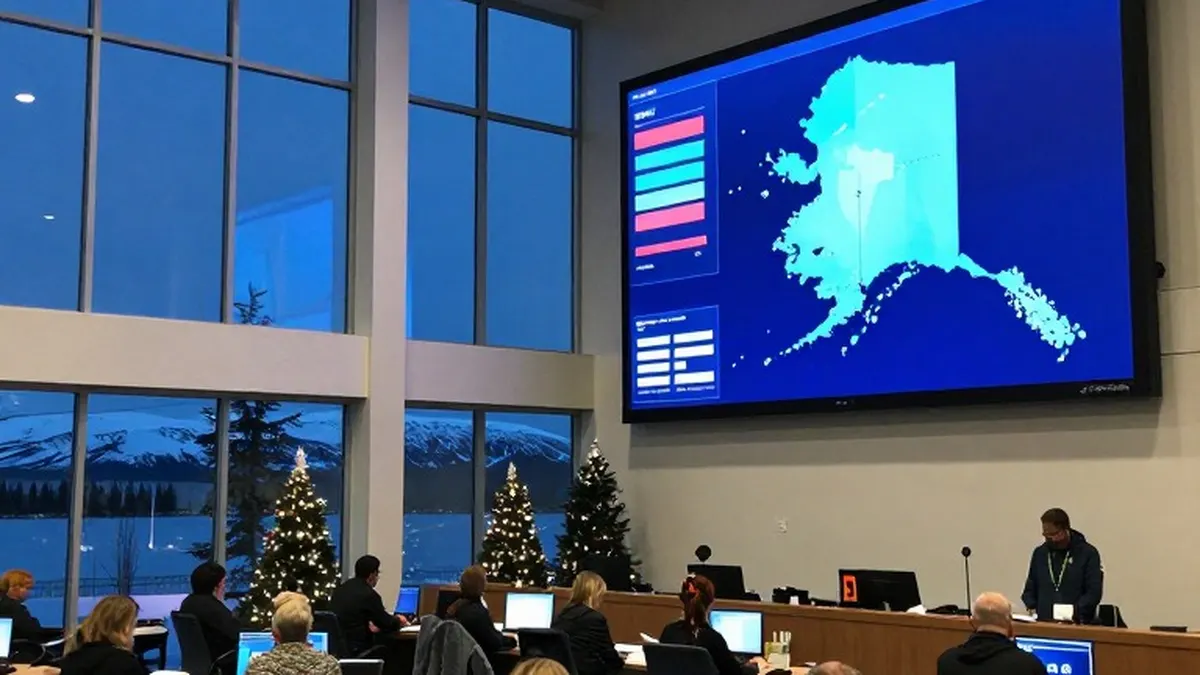
Khaled Khiari, the UN assistant secretary-general for the Middle East, Asia and the Pacific, briefed the council on Friday. He called for navigation across the region to be fully restored and said the situation must not become accepted as normal. October, he noted, had the highest number of security incidents in and around Hormuz since the conflict began.
The International Maritime Organization recorded 136 security incidents involving vessels in Hormuz and the broader Middle East from March 1 to November 11. Of those, 35 occurred in October and 10 in November. Khiari condemned the continuing incidents and said civilian vessels and commercial shipping must be protected from attack.
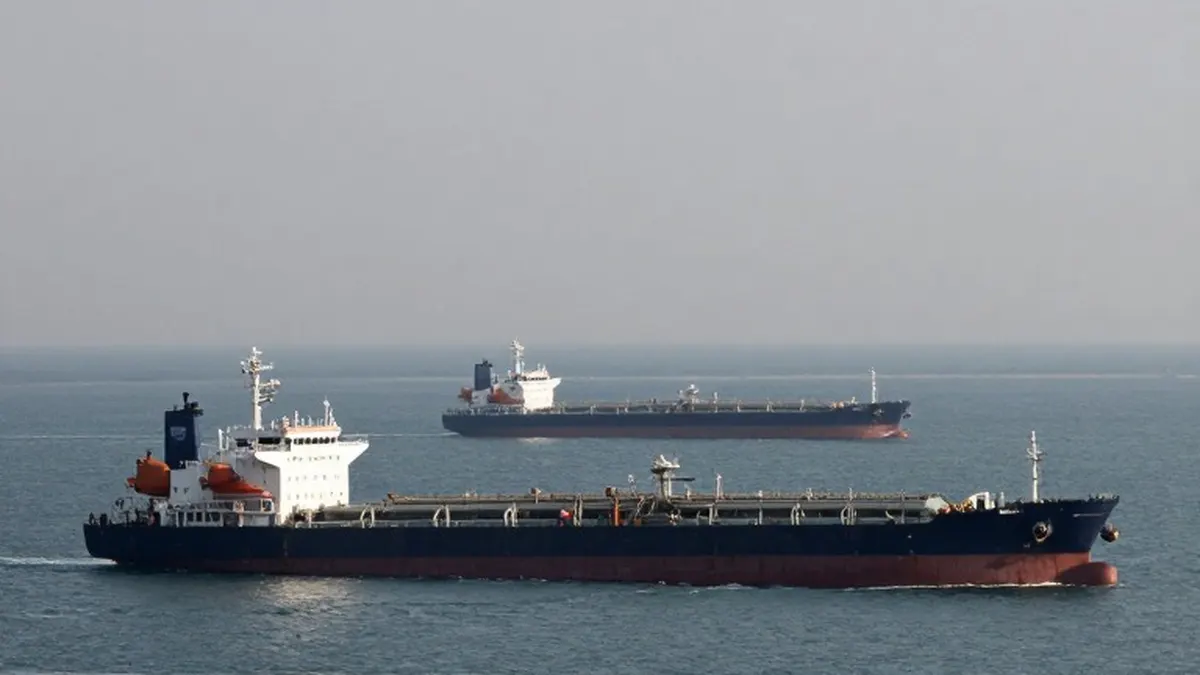
On Saturday, Iranian authorities reported that three oil tankers had struck mines and caught fire while passing through areas of Hormuz they described as unauthorised or restricted. Tehran requires vessels to obtain Iranian approval before crossing the waterway during the conflict and has repeatedly attacked ships it accuses of breaching those requirements.
In a statement carried by Iranian broadcaster IRIB, Iran’s navy warned that tankers violating restrictions in the area east of the strait would hit naval mines and catch fire. Iranian officials have maintained that the passage will remain closed until Washington satisfies their demands.
Those demands include ending the US naval blockade of Iranian ports, lifting economic sanctions and releasing frozen Iranian funds. Tehran also wants fighting to stop on every front and an explicit declaration that the war has ended. The US military, meanwhile, says it has removed mines from the strait’s main routes and that commercial vessels can use the waterway.
Traffic nevertheless remains substantially reduced. The latest United Kingdom Maritime Trade Operations report puts shipping through Hormuz at approximately 65 percent below pre-war levels. Khiari described maritime arrangements across the Middle East as expensive, unpredictable and unsafe.
He also warned of significant consequences for the global economy. Disrupted navigation is increasing energy, transport and insurance costs and adding to inflation, he said. Severe constraints on fertiliser shipments are also threatening food security.