Warhound Unveils $1.2 Billion Valuation for Genetically Modified Military Canines
Backed by Sequoia and intelligence-linked investors, the new venture aims to clone high-performance dogs for the U.S. military, addressing a critical shortage of working animals currently imported from Europe.
By Jayden Sweiler ·
The U.S. military’s reliance on foreign-sourced working dogs is prompting a high-tech domestic alternative, with a new company emerging from stealth to engineer canines specifically for combat and emergency response roles.
Warhound announced on Thursday that it has raised $200 million in funding, a round that values the venture at $1.2 billion. The investor group includes Sequoia, 8VC, Corner Ventures, and In-Q-Tel, a venture firm supported by the CIA and other U.S. intelligence agencies.
The company was conceived by Ben Lamm, co-founder of Colossal Biosciences, and Palmer Luckey, the founder of Anduril. Lamm and Luckey first connected approximately one year ago at a conference, where Luckey noted the need for improved support for military working dogs. Lamm subsequently researched the breeding of these animals and discovered that many fail to complete training due to inherited issues such as poor eyesight, cancer predisposition, hip dysplasia, and muscle atrophy.
Warhound aims to solve these problems by using gene editing to create a new type of dog. The team has established a biobank using cell lines from top-performing breeds, specifically the Belgian Malinois and German Shepherd. By adding genes that enhance speed, agility, and olfactory sensitivity while removing those linked to health issues, the company intends to produce animals better suited for demanding missions.
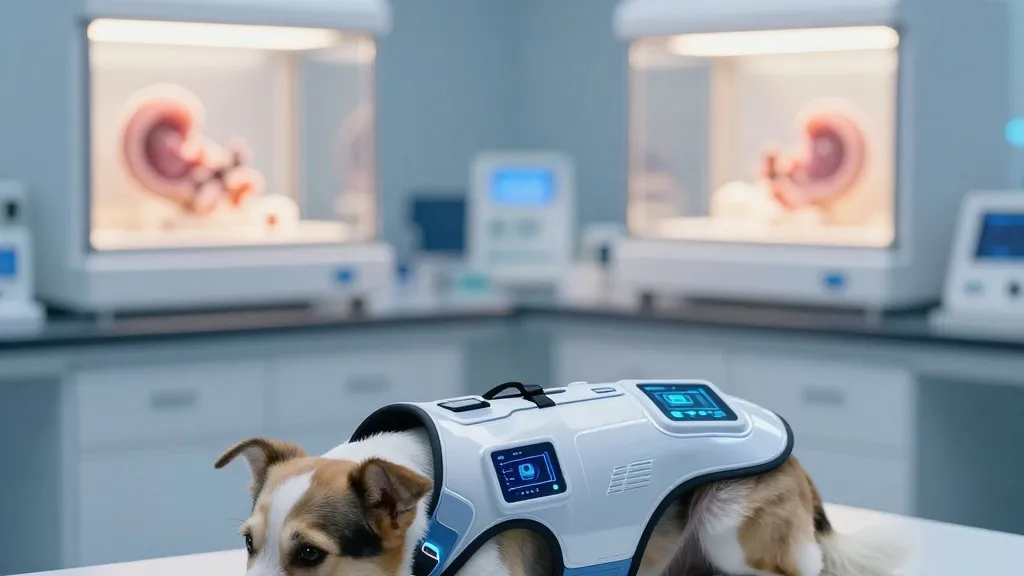
Anduril will provide the technological hardware and software to equip these dogs. This includes protection vests and goggles designed to improve situational awareness for both the animals and their handlers. Lamm described the concept as adding sensors to bulletproof vests that transmit data back to handlers, allowing for better coordination and safety during operations. He emphasized that Anduril’s contributions are external enhancements that work in conjunction with the dogs' genetic modifications.
The current supply chain for U.S. military working dogs is strained, with more than 80% of these animals coming from Europe. Furthermore, fewer than half of the imported dogs are deemed fit for service, a trend that highlights the urgent need for a reliable domestic supply.
Colossal Biosciences, which is known for its de-extinction projects involving animals like the mammoth and dodo, holds equity in Warhound and licenses its gene-cloning technology to the venture. Luckey is a partner in the company but does not hold equity. Viagen, another Colossal-owned entity, will partner with Warhound to handle the cloning process, utilizing a technology that has proven effective in protecting endangered species.
The first batch of dogs is currently in the cloning and incubation phase, with births expected in early 2027. The company projects that these animals could begin active service within two years. While pricing has not yet been determined, Warhound plans to sell to first responders, the Department of Defense, military service groups, and police forces.
To ensure the welfare of the animals, Warhound is working under the guidance of the American Humane Society to certify its training programs. The Society stated that it looks forward to ensuring the animals are treated humanely and that retired dogs can be placed in its Military Working Dog Reunification Program. Lamm noted that each dog will undergo standard military training and be managed by the purchasing agency, with briefings already conducted with various government groups.
Source: TechCrunch