US officials warn of continued tech outages in coming months
Top intelligence and tech leaders indicate that a wave of major system disruptions is expected to continue as global infrastructure undergoes rapid upgrades.
By Chinedu Schneider ·
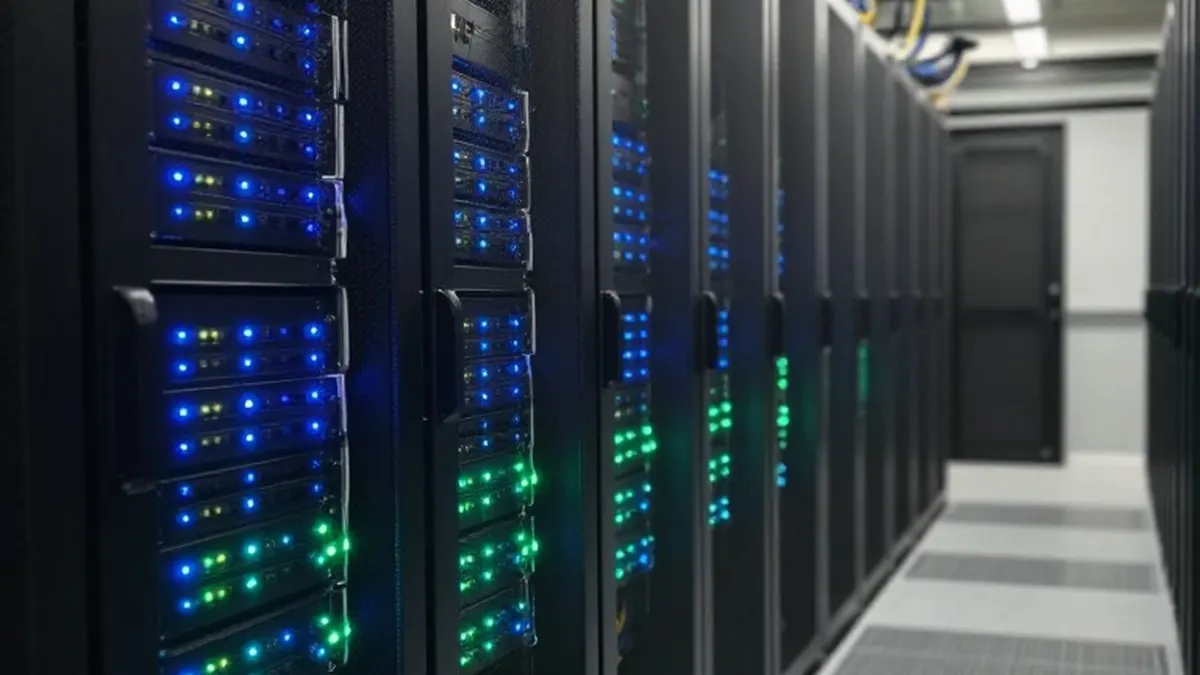
The United States has experienced a significant cluster of technological disruptions in the past week, leading national officials to warn that the worst may not be over. These recent incidents include a nationwide Federal Aviation Administration ground stop, a multi-day outage of Microsoft Outlook that halted operations for many companies, and a major banking system failure at JPMorgan Chase.
Jay Clayton, the Director of National Intelligence, addressed the situation in an interview with CNN. He stated that the American public should expect a substantial increase in investment aimed at upgrading national systems. Clayton emphasized that the nation must also prepare for greater spending on cybersecurity measures.
He further noted that whenever there is a significant shift in technology, particularly in computing power and applications, the transition period will inevitably involve challenges. Clayton suggested that the current series of disruptions is a natural consequence of these rapid technological changes.
Brad Smith, the President of Microsoft, echoed these sentiments in a separate interview with CBS. Smith provided a more detailed outlook, suggesting that the public should brace themselves for the coming months. He explained that the ongoing fixes and upgrades are complex processes that cannot be completed in just a few weeks.
Smith described the current global situation as a massive, simultaneous upgrade of the world's information infrastructure. He indicated that this fundamental shift in how systems operate is the primary driver behind the current instability and the anticipated future outages.
While the immediate cause of the recent disruptions is widely believed to be cyberattacks, Smith highlighted the role of artificial intelligence in the equation. He explained that AI has made it significantly easier to identify flaws in code. This capability allows defenders to patch vulnerabilities more effectively, but it also gives malicious actors the tools needed to find and exploit these weaknesses to hack into systems.
The frequency of attacks on both government and commercial entities has risen over the last several months. Notable targets during this period have included the United States Department of Agriculture, JPMorgan Chase, and various supermarket chains, indicating a broad scope of vulnerability across different sectors.
Regardless of whether the outages are triggered by AI-assisted hackers or by human error during the urgent process of patching aging systems, the consensus among experts is clear. The coming months are likely to see more disruptions as the infrastructure continues to evolve and stabilize.
The situation underscores a broader trend of instability in critical digital services. As organizations rush to modernize their technology stacks, the risk of temporary failures appears to be an unavoidable part of the transition period.
Citizens and businesses are advised to remain vigilant and plan for potential interruptions as these upgrades take hold. The combination of increased cyber threats and the complexity of system migrations suggests that a period of heightened volatility is ahead for the digital economy.
More News · National news · Report a business · Got a Story?