US and Venezuela sign new military cooperation pact amid political shifts
US Defense Secretary Pete Hegseth and Venezuelan officials signed a new military cooperation agreement, a move analysts link to US midterm election results and ongoing political tensions.
By Chinedu Schneider ·
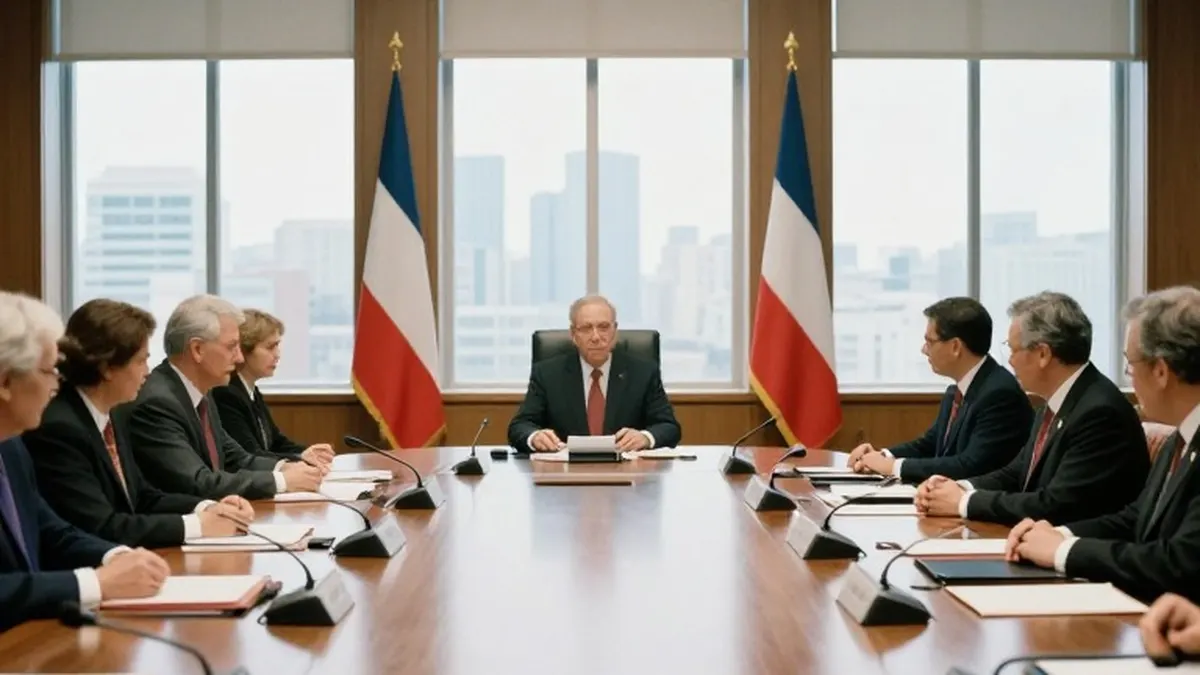
US Defense Secretary Pete Hegseth announced a new cooperation agreement with Venezuela’s interim government during an unannounced visit to Caracas on Wednesday. The pact aims to strengthen military ties between the two nations, with Washington citing improved regional security and the fight against drug trafficking as primary goals. Caracas stated that the deal will help modernize its armed forces without compromising national sovereignty.
The agreement covers several areas of military cooperation, including joint training, intelligence sharing, military equipment, and border security. Hegseth met with Venezuela’s interim President Delcy Rodriguez and Defence Minister Gustavo Gonzalez Lopez to discuss the terms. Rodriguez described the visit as an extraordinary step in bilateral relations, noting that the cooperation would improve troop training and provide access to new technologies. However, the full details of how joint operations will be conducted have not been made public.
The timing of the visit has drawn significant attention from political analysts, particularly following the US midterm elections on November 3. Carlos Pina, a political analyst, noted that the developments between the two countries are closely linked to the election results. Democrats, who have gained a new majority in the House, have indicated they will increase scrutiny of US foreign policy toward Venezuela. This includes reviewing agreements reached in 2026, such as those following the abduction of former President Nicolas Maduro to New York.
The recent impeachment attempt against Hegseth also appears to influence the visit. On November 10, the House voted 211 to 204 against impeaching the Defense Secretary for the time being. The resolution, introduced by Republican Thomas Massie, included eight articles related to the US-Israel war on Iran, strikes on drug boats, and the January operation that ousted Maduro. Massie argued that Hegseth executed acts of war without congressional authorization, including regime change and the seizure of control over Venezuela’s oil industry.
Analysts suggest Hegseth’s visit is a move to defend Trump’s policy before Democrats take full control of Congress in January. Pina believes the trip is intended to show the American public that the Venezuela strategy benefits US national interests. Meanwhile, Rodriguez’s government views the cooperation as a calculation of survival. Phil Gunson, a senior analyst at the International Crisis Group, stated that the interim government faces pressure from Washington and risks suffering a similar fate to Maduro if it declines to cooperate.
Financial leverage plays a key role in this dynamic. Since January, revenue from Venezuelan oil sales has been deposited into US-controlled accounts. A Department of State report released on November 12 indicated that more than 12 billion dollars from oil and other natural resources passed through these accounts between January and September. While nearly 99 percent of these funds were disbursed to individuals and businesses in Venezuela, Caracas remains dependent on Washington for approval of future releases, giving the US administration tools to exert pressure.
The agreement also raises questions about the future of Venezuela’s military. Gonzalez Lopez, in his first statement since taking office, emphasized that cooperation would respect the country’s constitution, sovereignty, and territorial integrity. He stressed that the armed forces would retain control over their own leadership and operations. However, analysts note that the military, which is not in a position to resist US influence, may undergo changes as Washington seeks to reform security forces accused of drug trafficking and human rights abuses.
The pact could have broader implications for Latin America, particularly for Colombia, which shares a long border with Venezuela. Joint operations aimed at weakening armed groups like the National Liberation Army could reduce cross-border activities. However, tensions emerged when The New York Times reported that Colombian President Abelardo de la Espriella had rejected a US proposal for joint military operations on Colombian soil. De la Espriella denied the report, stating that while Colombia wants to strengthen cooperation, foreign troops would require congressional approval. Hegseth also called the report totally false.
Gunson noted that Trump views Venezuela as a model for US relations in the region, but the midterm results may cause other governments to reconsider their alignment with Washington’s hemispheric security policy. Pina argued that the January operation marked a turning point in regional security policy, demonstrating Washington’s willingness to use military force. He questioned whether the new agreement represents a long-term strategic shift or a temporary political response to domestic congressional pressures.