Williams Publishes New Volume on 50 Years of Cascades
The naturalist details the geological and human history of Washington's volcanic range in his 13th book.
By Chinedu Schneider ·
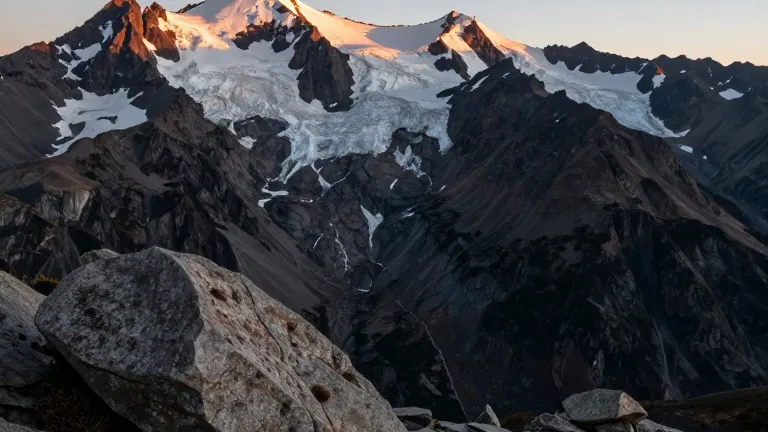
David B. Williams has released a new book titled “In the Range of Fire and Ice: A Human and Natural History of Washington’s Cascades.” The publication documents more than five decades of his personal history with the mountain range, linking its geological formation to its cultural and ecological significance.
Williams, an author and naturalist based in Seattle, is the 13th book to leave his desk. His previous works include “Homewaters: A Human and Natural History of Puget Sound,” which won an award, and “Waterway: The Story of Seattle’s Ship Canal and Locks,” a finalist for the Washington State Book Award. He currently serves as a Curatorial Associate at the Burke Museum and publishes a weekly newsletter called the Street Smart Naturalist.
The narrative in the new volume begins in 1978, when Williams took a middle school backpacking trip to Pinnacle Lake. Located 35 miles northeast of Seattle, the site marked his first experience with the range. He described the initial trip as a struggle, citing heavy gear, steep trails, and constant rain. He recalled waking up cold, wet, and crying during that first overnight stay.
Decades later, Williams returned to Pinnacle Lake with his wife, Marorie. The couple hiked a 1.7 mile trail that contained 14 switchbacks. They explored the area, which features clear ponds, windswept trees, and exposed granite. Williams said the stark beauty of the plateau confirmed his long-held belief that the Cascades are a unique environment.
The book structures its history through specific species and events. Williams covers topics ranging from glaciers and wolverines to mountain goats and huckleberries. Each chapter combines field time with experts, his own reflections, and historical context. He addresses Native use of the land, climate change, and the return of carnivores like wolves and wolverines.
Williams argues that the ecosystems show resilience despite persistent changes. He cites volcanic eruptions, fires, glacial scouring, and human alteration as forces that have shaped the range. He points to the transformations at Mount St. Helens and the work of scientists as reasons for hope in a context of habitat destruction.
The author aims to weave together stories of people, geology, plants, and animals to create a biography of the place. He describes the range as defined by elemental forces of fire and ice. Williams stated that he has been hiking and camping in the Cascades for more than 50 years and finds the environment reenergizing.
Source: Salish Current
More Business · Consumer Alerts · Report a business · Got a Story?