35 Senate seats hang in the balance as U.S. voters head to the polls
Midterm races will decide congressional control, while the Supreme Court prepares to hear arguments on religious discrimination in education.
By Chinedu Schneider ·

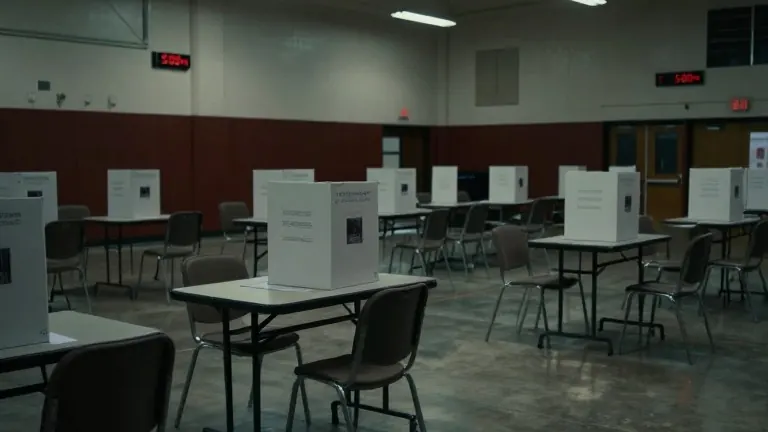
The central question of this year's midterms is who controls Congress. On Tuesday, November 3, Americans will vote in federal, state, and local races. All 435 House seats are up for grabs, along with 35 Senate seats. Republicans aim to keep their majority for the final two years of President Donald Trump’s second term. Democrats are trying to flip both chambers to blue.
Three states are drawing the most attention because of how close the Senate races appear there. Texas, Michigan, and Alaska are considered toss-ups in the latest polling. The results in these states will likely determine which party holds the balance of power in the upper chamber.
Gubernatorial contests are also on the ballot. Voters in 36 states will choose their governors this week. These state-level races could influence policy priorities and judicial appointments in the coming years.
The Supreme Court begins its November oral argument session on November 2. The schedule runs through November 10 and includes seven hours of total argument time. The court will hear cases on various legal issues during this five-day period.
The most watched case is St. Mary Catholic Parish v. Roy. It argues that a Catholic preschool was excluded from Colorado’s universal preschool program. The justices must decide if that exclusion counts as religious discrimination. Oral arguments for this case are set for Tuesday, November 3.
Voting is expected to be heavy in swing districts. Campaigns in the three key Senate states have spent heavily on advertising in recent weeks. The final tallies from these states will shape the composition of the next Congress.
Source: KPTV