African opposition leaders report rising constraints on political freedoms
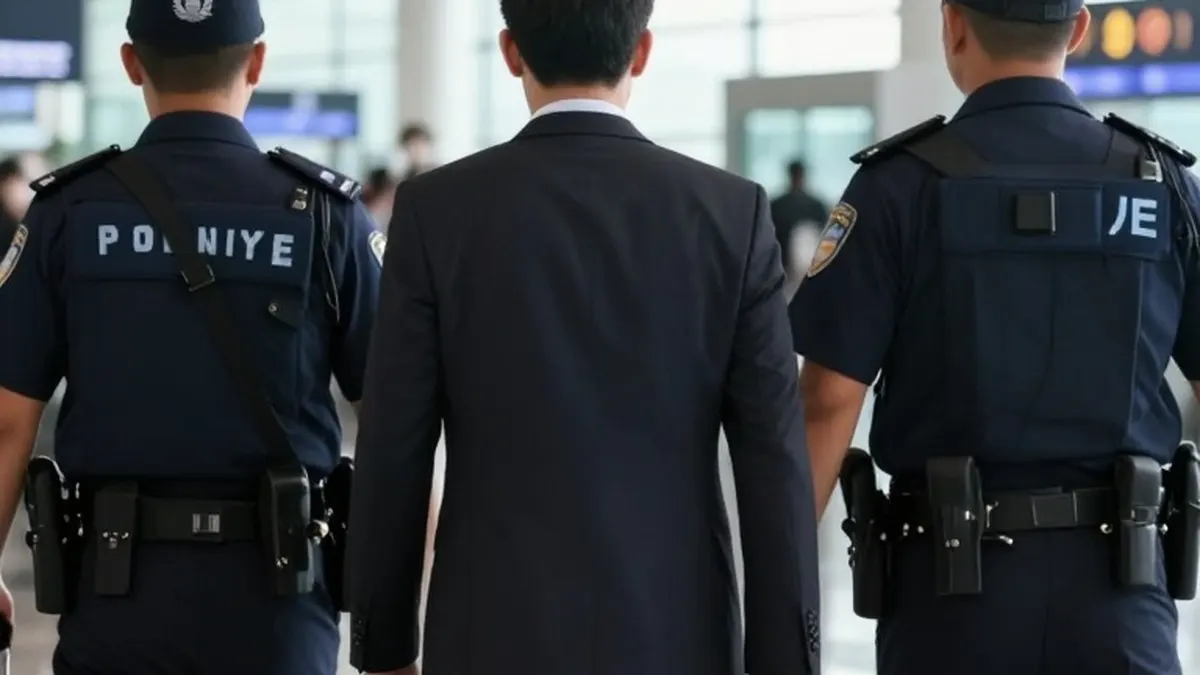
Across several African nations, authorities are using legal measures and security provisions to limit opposition activities, drawing criticism from political figures and analysts.
By Chinedu Schneider ·
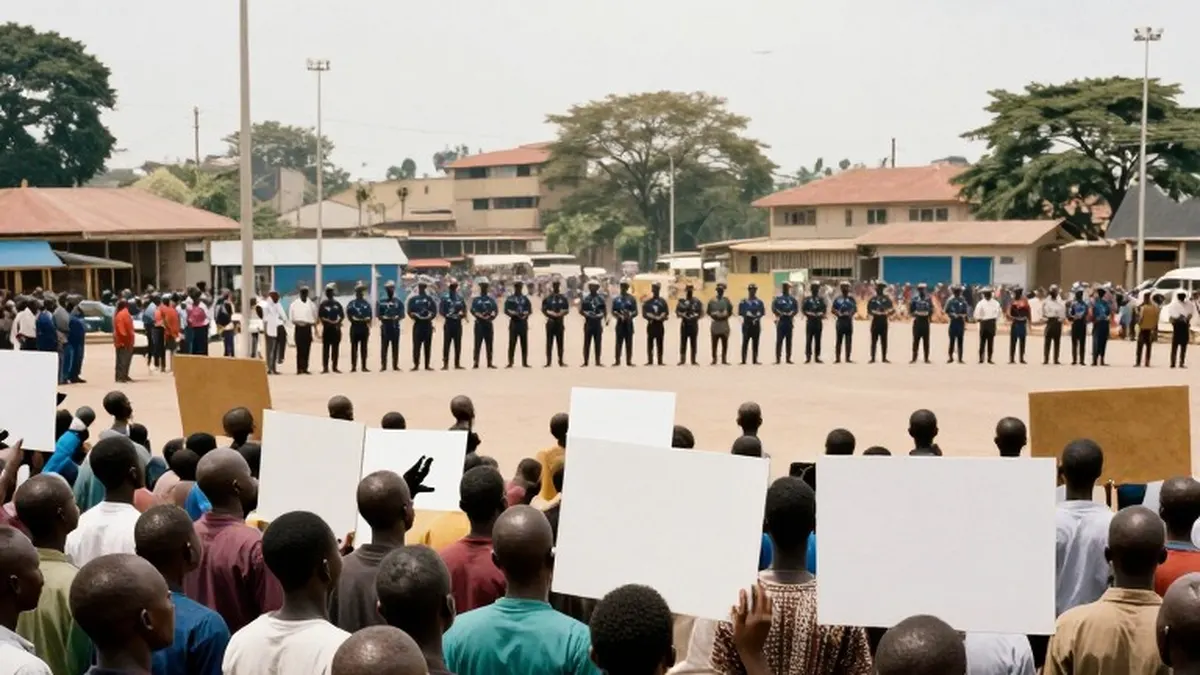
Political opposition voices across Africa are reporting increased pressure from national authorities, with leaders in Cameroon, Tanzania, Mozambique, Nigeria, and Zambia citing restrictions on public activity and legal challenges. In each of these countries, government officials maintain that the measures are necessary and justified under existing national laws and security provisions.
In Cameroon, citizens and opposition members describe a climate of caution where political expression is often weighed against the risk of arrest. Ngam Glory Ani Mbom, a local citizen, noted that the country is sensitive, requiring citizens to know when to criticize the government openly. She told Deutsche Welle that fear of violence discourages participation, arguing that democracy is difficult to achieve when supporters cannot freely express their minds. Nda Grimbald, deputy secretary-general of the Social Democratic Front, highlighted the difficulty of organizing public meetings as a primary obstacle. He stated that opposition proposals frequently receive little attention in parliament, adding that private members' bills are often overlooked despite legal guarantees of assembly.
Tanzania has seen significant legal action against opposition leader Tundu Lissu, who was arrested in April 2025 on treason charges. In November 2026, the High Court acquitted him of treason but convicted him of incitement, resulting in a four-year prison sentence. Prosecutors argued that Lissu's remarks aimed to disrupt the 2025 general election and instigate violence. Lissu rejected the verdict as political persecution, telling judges that he was not originally charged with incitement. Gerson Msigwa, the chief government spokesperson, dismissed allegations of repression, describing concerns about diminishing civic space as unfounded and misleading, particularly in response to accusations from Amnesty International.
In Mozambique, opposition figure Venancio Mondlane faces five charges related to protests following the disputed 2024 election. These charges include incitement to terrorism and public advocacy of crime, which Mondlane denies. He told Deutsche Welle that he has ample evidence to show his statements encouraged peace rather than violence. Pedro Sinai Nhatitima, a spokesperson for the Supreme Court, defended the decision not to allow live broadcasts of the trial, asserting that the court is deciding the case according to the law without political influence.
Nigeria has also witnessed instances of policing dissent, such as the arrest of five men in Borno State wearing T-shirts with the slogan 'Tinubu Must Go.' Police stated the arrests were not for political views but for suspected drugs and public disturbance. Additionally, in Kano, police blocked access to a planned opposition meeting citing public safety concerns.
Zambia has faced controversy regarding its judicial processes, with opposition leader Brian Mundubile criticizing a retreat from democratic rights. Courts were closed on August 24, the final day to file a presidential election petition, due to security reasons. President Hakainde Hichilema's aide denied that the closure was ordered to prevent an election challenge. That same month, former opposition lawmaker Mutotwe Kafwaya was shot dead during a security operation at Mundubile's residence. Mundubile, who faces treason charges, has called for an open court process, while constitutional lawyer Linda Kasonde warned that democracy in Zambia is currently on trial.
Despite these setbacks, Cameroonian political analyst Kenang Derek Fay suggests that democratic development across the continent is still a work in progress. He noted that the region is far from its ideal level, describing democracy as a system still struggling to find its way.