Zambia blocks protest opposing removal of presidential term limits
The ban on a planned demonstration has intensified concerns about political freedoms as groups aligned with Zambia’s ruling party seek to abolish presidential term limits.
By Chinedu Schneider ·
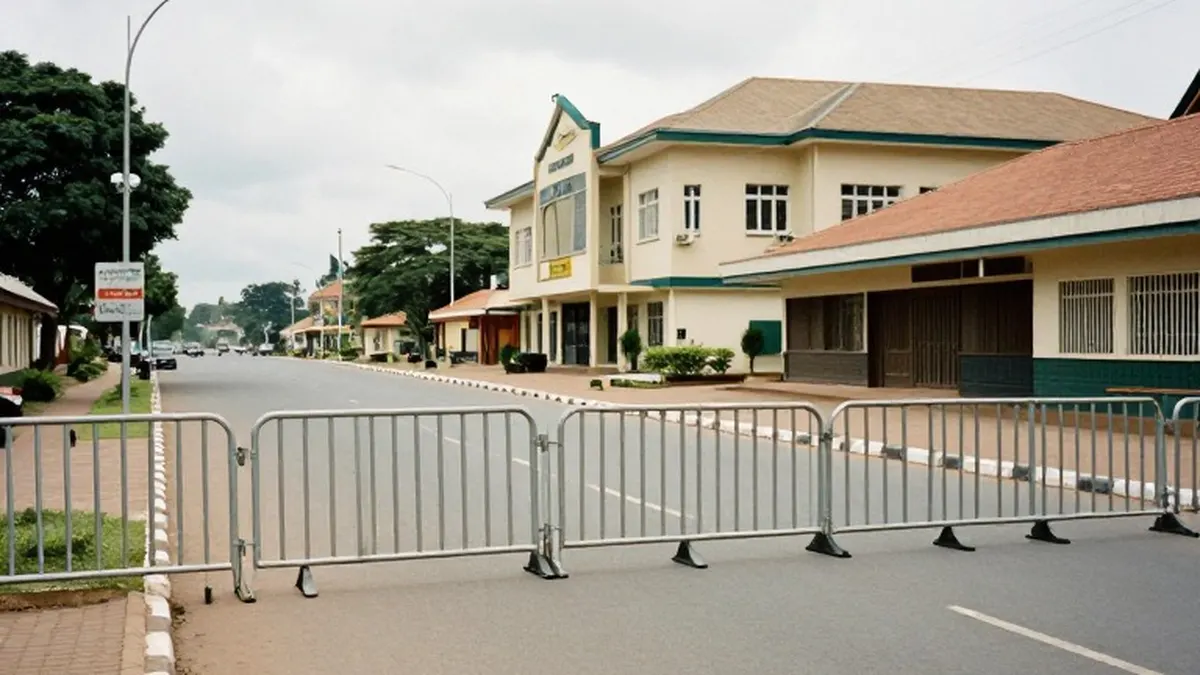
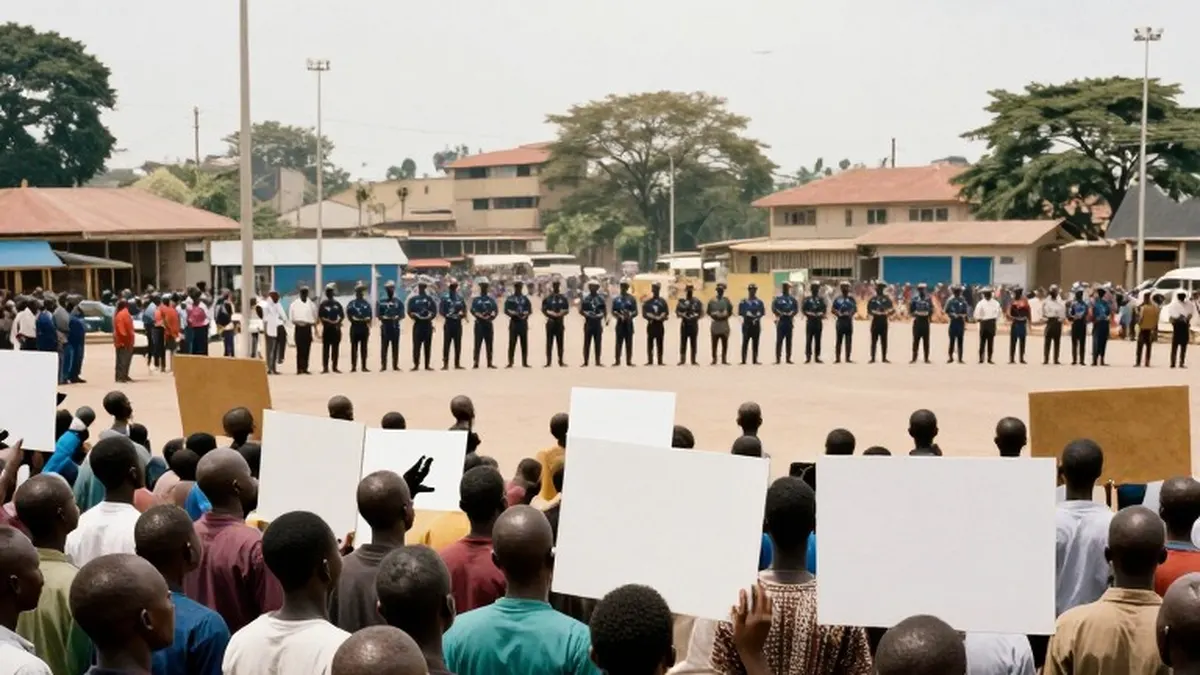
Zambian authorities have blocked a demonstration against proposals to abolish presidential term limits, citing possible confrontations with government supporters planning a rival rally. Civil society organisations and human rights defenders had scheduled their march for November 25, amid political tensions following President Hakainde Hichilema’s disputed re-election in August.
Three organisations aligned with the governing United Party for National Development have petitioned the National Assembly to remove constitutional limits on presidential tenure. The changes could enable Hichilema to seek another term after his second and final five-year term ends in 2031. Civil society groups, the Catholic Church and the Law Association of Zambia have opposed the campaign and urged an end to the debate.
Organisers notified police about their proposed march on November 4. A pro-government youth alliance later announced a demonstration backing the constitutional changes. Home Affairs and Internal Security Minister Clement Andeleki defended the cancellation of the demonstrations and denied that Hichilema wanted a third term. Linda Kasonde, a former president of the Law Association of Zambia and an organiser, told Al Jazeera that campaigners had requested another date from police and appealed to the minister. She said they remained committed to demonstrating peacefully.
The ban followed Justice Minister Jack Mwiimbu’s November 18 pledge to protect people petitioning parliament to remove term limits. He also said Hichilema would respect constitutional amendments. In a November 20 statement, presidential communications official Clayson Hamasaka said the president would uphold the constitution “at all times” and respected citizens’ freedom of expression. Hichilema, elected in 2021 after promising democratic reforms, had repeatedly criticised African leaders who changed constitutions to prolong their rule.
The dispute coincides with prolonged detention of leading opposition politicians. Hichilema won more than 61 percent of the vote in August, but observers, including the European Union Election Observation Mission, reported irregularities. Concerns included a six-hour interruption to counting and results announcements, soldiers at voting and tallying locations, and the removal of opposition and independent monitors. Court closures after the election also raised questions about opportunities to challenge the outcome.
Presidential runner-up Brian Mundubile, who alleged electoral fraud, was arrested with his running mate, Makebi Zulu, during the subsequent crackdown. Former minister Mutotwe Kafwaya was fatally wounded by security forces during a raid on a Lusaka house where senior opposition figures were meeting. Mundubile, Zulu and other opposition figures have spent more than 100 days in detention over allegations of attempting to overthrow the government and participating in seditious activities. They say the accusations are politically motivated.
Prosecutors presented treason charges a day before the High Court was expected to rule on the continued detention. Defence lawyer Sakwiba Sikota told Al Jazeera that trial proceedings were expected to begin in 2027. Treason does not permit bail in Zambia and can carry a life sentence. Muhabi Lungu, secretary-general of Mundubile’s Tonse Alliance, alleged that the prosecutions sought to weaken opposition to possible constitutional changes and called for a swift trial and disclosure of evidence.
UPND media head Mark Simuuwe argued that term limits restrict voters’ ability to choose their preferred president and denied that the campaign specifically sought a third term for Hichilema. An amendment requires support from at least two-thirds of parliamentarians, with further constitutional procedures potentially applicable to presidential tenure. The UPND lacks that majority but could seek backing from other legislators.
Opponents regard term limits as a democratic safeguard in a country that has seen several peaceful transfers of power since multiparty democracy began in 1991. Civil society organisers are awaiting the authorities’ response on whether they can demonstrate.