Anthropic IPO: A $1.4 Trillion Valuation Faces $900 Billion in Infrastructure Costs
New disclosures reveal massive future spending obligations for the Claude maker, while Nvidia's acquisition of Hugging Face raises questions about the long-term sustainability of the AI market.
By Marco Ortega ·
Anthropic, the developer of the Claude artificial intelligence system, has proposed a public stock offering at a valuation between $1.3 trillion and $1.4 trillion. This figure is lower than earlier expectations that reached $2 trillion, yet it remains one of the highest valuations in history. The company’s latest filings reveal that this high price tag is tied to a massive expansion of its computing infrastructure, with nearly $900 billion in contractual commitments pending. For investors and users, the central question is whether the company can generate enough profit to cover these enormous future costs.
The path to this moment involved a rapid scaling of operations. Initially, analysts projected a valuation exceeding $2 trillion based on growth potential. However, the final pricing proposal for the November 10 IPO reflects a more conservative estimate. This shift comes as the company discloses the full scope of its financial obligations. These obligations are not just current debts but long-term leases and purchase agreements for the hardware required to run its models.
The primary driver of these costs is the need for specialized computing chips. Anthropic has disclosed approximately $900.9 billion in purchase commitments and lease agreements related to this infrastructure. Of this total, roughly $451.6 billion is expected to be spent by the end of 2030. The remaining amount extends through 2045. In the immediate term, about $70.7 billion is due within the year following September 30, 2026. While these are contractual obligations rather than immediate debt, they represent a significant future liability that requires substantial cash flow to manage.
Critics argue that revenue growth alone does not guarantee profitability. Anthropic’s annualized revenue run rate reportedly reached approximately $81 billion in October, a significant increase from previous figures. However, revenue is not profit. The company must still pay for electricity, maintenance, personnel, and the hardware itself. Even with high revenue, the cost of serving each user must be lower than the subscription price for the business to be sustainable over the long term.
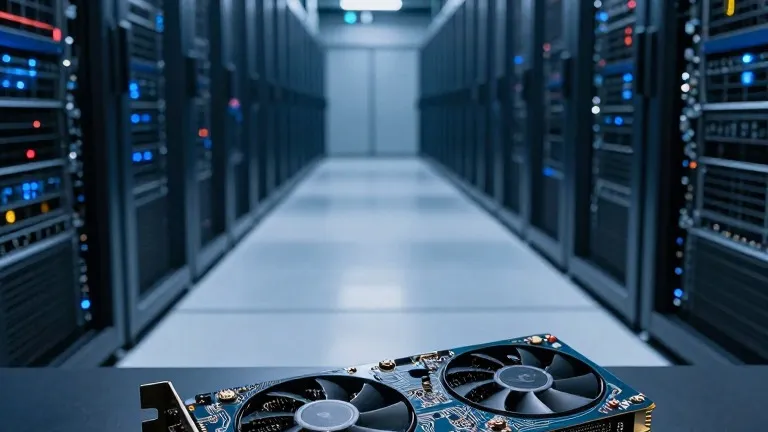
The economics of serving AI users are complex. A single high-end graphics processing unit, such as an Nvidia RTX PRO 6000-class card, can cost around $20,000. If this hardware serves 20 light users paying $20 each, the monthly revenue is $400. It would take 50 months to recover the cost of the GPU alone, before accounting for other server components, cooling, and electricity. Heavy users who run intensive coding tasks may consume more resources, potentially making them less profitable despite higher subscription fees.
Nvidia holds a dominant position in this ecosystem. As the primary supplier of the necessary accelerators, it benefits regardless of which AI model becomes most popular. In September 2026, Nvidia announced it would acquire Hugging Face, a major platform for distributing open-source AI models, for approximately $12.93 billion. This deal is significant because Hugging Face is a hub for independent developers. By owning this platform, Nvidia gains control over a key distribution channel for models that may compete with proprietary systems.
The acquisition raises questions about market competition. Nvidia already controls much of the hardware and software ecosystem through its CUDA platform. Owning Hugging Face could give it influence over how developers discover and deploy models. While Nvidia states that the platform will remain open, regulators are watching to ensure that competing hardware manufacturers receive fair access. This move is seen as a strategic effort to secure the next phase of AI development.
A growing trend of open-weight models poses a challenge to the high subscription prices of proprietary services. Companies like DeepSeek and Alibaba have released models that can be downloaded and run on private hardware. This reduces the need for expensive cloud APIs. Quantization, a technique that reduces the memory required to run these models, allows them to operate on cheaper equipment. A model that once required a multi-gigabyte server can now run on more accessible hardware, giving users more options.
The next step for Anthropic is to prove it can convert its high revenue into sustainable profits while managing its massive infrastructure commitments. Investors will be looking for evidence that the company can achieve profitability without relying solely on continued capital injections. Meanwhile, the AI market faces a structural shift as open models become more powerful and accessible. The combination of high valuations, heavy infrastructure costs, and increasing competition creates a complex landscape where both technological progress and financial stability are being tested.
For ordinary users, the implications are twofold. On one hand, the competition from open models may lead to lower costs and more choices. On the other, the massive spending by major players ensures that the infrastructure continues to improve rapidly. The coming years will determine whether the current valuations are supported by actual earnings or if they remain a speculative bet on the future of artificial intelligence. The market is waiting to see if the technology can deliver enough value to justify the trillions of dollars at stake.