Ontario Tech and Guelph Researchers Detail Smart Security Risks
Experts warn that default passwords and shared credentials turn protective gadgets into entry points for intruders in 47.4% more home invasions.
By Marco Ortega ·
Toronto police recorded 112 home invasion incidents in 2026, representing a 47.4 per cent increase over the same period last year. As these numbers climb, cybersecurity researchers from Ontario Tech University, the University of Guelph, and the University of Regina warn that the very devices homeowners buy for protection may be creating new vulnerabilities.
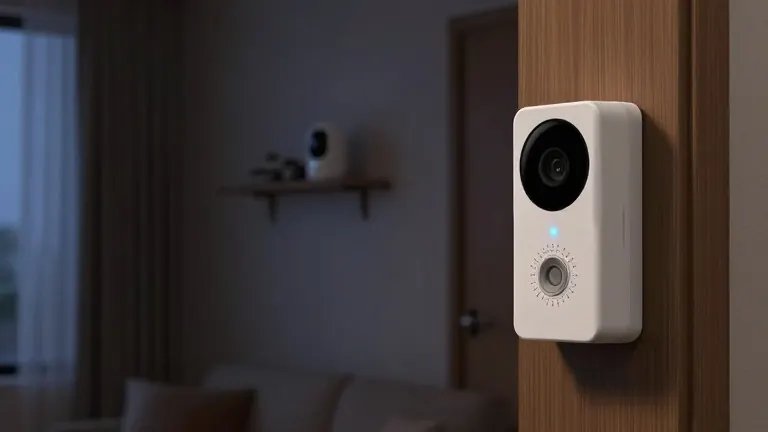
The core issue is that smart cameras, locks, and doorbells operate like small computers connected to the internet. When configured poorly, they reveal critical details about a household. Claude Leroux, head of Canadian solutions engineering at Okta, noted that a compromised camera can expose routines, such as when residents are home or away. It can also map the house layout and the location of valuables.
Abbas Yazdinejad, a cybersecurity professor at the University of Regina, identified the most common error: assuming devices are secure immediately after purchase. He stated that many users install equipment without changing default passwords or enabling security updates. This leaves the devices open to hijacking by criminals who scan for weak connections.
The risk is compounded by password reuse. Dehghantanha, who spoke on the matter, explained that if a password is leaked from another website, attackers often try it on smart home accounts. Once inside the app, an intruder can view live camera feeds and potentially unlock smart doors. He emphasized that unique passwords and two-factor authentication are the first lines of defense.
Network isolation is the next step. Yazdinejad and Dehghantanha advised homeowners to secure their Wi-Fi routers by updating software and changing default router passwords. They recommended placing smart devices on a separate guest network. This isolation prevents a weak smart device from being used as a bridge to access laptops and phones in the home.
Regular maintenance is also required. Dehghantanha suggested reviewing digital keys for smart locks every few months to remove former contractors or guests. For cloud-stored camera footage, homeowners should enable end-to-end encryption and verify who has access to the clips. These recordings often serve as key evidence for police, so users should know how to export them before a break-in occurs.
Finally, experts urged consumers to buy from reputable brands that issue regular security patches. Yazdinejad cautioned that cheap, unbranded cameras often never receive updates. He concluded that while smart security complements physical locks, it does not replace them, and a home is only as secure as its weakest connected device.