Australia Jobs Data: Employment Falls as Rate Hike Debate Intensifies
Unemployment rose to 4.9% in October, with part-time roles accounting for most of the 43,500-person drop in total employment.
By Chinedu Schneider ·
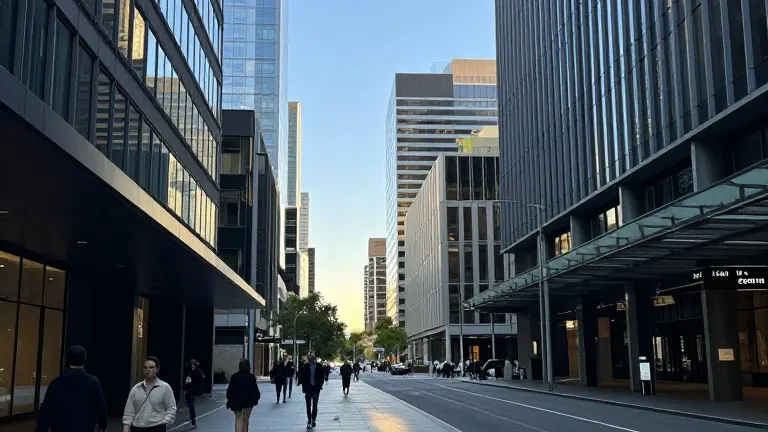
Employment in Australia fell by 43,500 people in October, pushing the unemployment rate to 4.9% and raising questions about the pace of monetary tightening. The Australian Bureau of Statistics reported the decline on Thursday, a sharp reversal from forecasts that predicted job growth and a stable jobless rate. The jump in unemployment marks the highest level in five years, moving closer to pre-pandemic figures.
Part-time roles bore the brunt of the contraction, with a drop of 40,600 positions, while full-time employment slipped by 2,900. This pattern follows a trend where the number of employed Australians has decreased in three of the last four months. The data complicates the narrative surrounding the Reserve Bank of Australia’s aggressive stance, which included five interest rate hikes this year.
David Bassanese, chief economist at Betashares, noted that seasonal factors in the data might be distorting the view of labor force health. However, he cautioned that if the employment decline is genuine, it represents a type of weakness that could end the current cycle of rate increases. Bassanese stated, 'If these employment declines prove to be real, however, they’re the type of weakness that could well mean we’ve seen the last interest rate hike.'
Bassanese further suggested that consecutive drops of this magnitude could indicate the economy already has one foot in recession. This assessment aligns with warnings from three dissenting members of the Reserve Bank board. Those officials voted against the rate hike on Melbourne Cup day, arguing that household debt servicing costs had reached a tipping point.
Sunny Nguyen, head of Australia economics at Moody’s Analytics, described the labor market shift as unmistakable. He indicated that the latest figures effectively rule out a pre-Christmas rate increase. Nguyen added, 'the Aussie labour market has unmistakenly turned.'
The new data puts pressure on a Reserve Bank board that is already divided on whether policy has tightened sufficiently. The bank raised its unemployment forecast earlier this month, expecting rates to peak above 5% by the end of 2028. The current trajectory suggests the labor market is approaching that level two years earlier than projected.
The shock in the October figures validates concerns that rising borrowing costs are straining household budgets. The data shows a clear deterioration in conditions, moving from a 4% unemployment rate at the start of the year to the current 4.9% level. The disparity between full-time and part-time job losses highlights the specific nature of the contraction.
More Business · Consumer Alerts · Report a business · Got a Story?