Ford’s $3 Billion Michigan Plant Begins Shipping Batteries Licensed from China
The automaker is producing LFP cells in Marshall, Michigan, a move that drew scrutiny from federal officials before shipments started last month.
By Bianca Shevchenko ·
Ford Motor has begun shipping battery cells from a $3 billion facility in Marshall, Michigan. The plant, located about 100 miles west of Detroit, started production last month and is now delivering parts for the company’s next generation of electric vehicles.
The cells are built using lithium iron phosphate technology licensed from CATL, the largest battery maker in China. This chemistry, while created in the United States, was primarily commercialized in Asia. Ford will use these cells in prototypes for the Fathom, a small electric pickup truck that CEO Jim Farley describes as a competitor to Tesla and Chinese rivals.
Alan Clarke, the company’s vice president of advanced development projects, explained that licensing the technology allowed Ford to bring the low-cost chemistry to the U.S. rapidly. Clarke stated during a tour Tuesday that partnering with the world’s largest supplier was the fastest way to learn how to produce the cells domestically. He noted that CATL’s scale provided a critical learning curve for the automaker’s own production capabilities.
The facility covers roughly 2 million square feet and is designed to produce 40 battery cells per minute. This pace supports an annual output of 20 gigawatt-hours for electric vehicles and energy storage. This figure is lower than the initial plan of up to 40 gigawatt-hours, reflecting a broader pullback in electric vehicle production across the industry.
U.S. Transportation Secretary Sean Duffy had previously expressed profound concern over Ford’s ties to CATL in a September letter to Farley. Duffy worried the connections could harm the American automotive sector. The White House responded a day later by praising Ford for its domestic manufacturing and job creation.
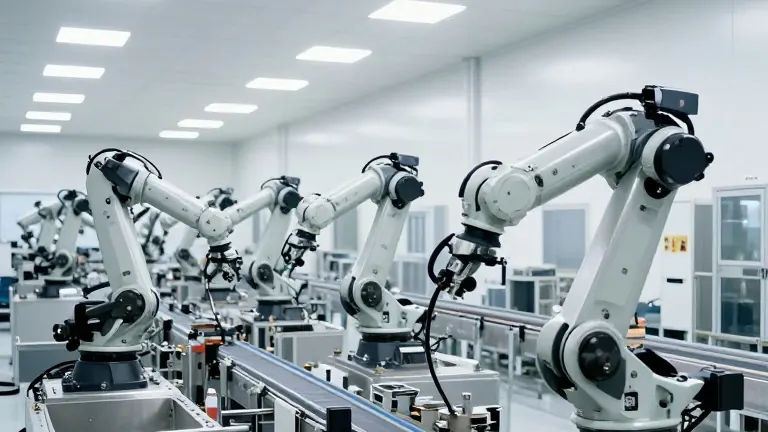
The Marshall plant is highly automated, though Ford said it is still certifying its processes. The company plans to increase production next year. This ramp-up will occur ahead of the Fathom pickup’s expected launch in the fourth quarter of 2027.
More Business · National news · Consumer Alerts · Report a business · Got a Story?