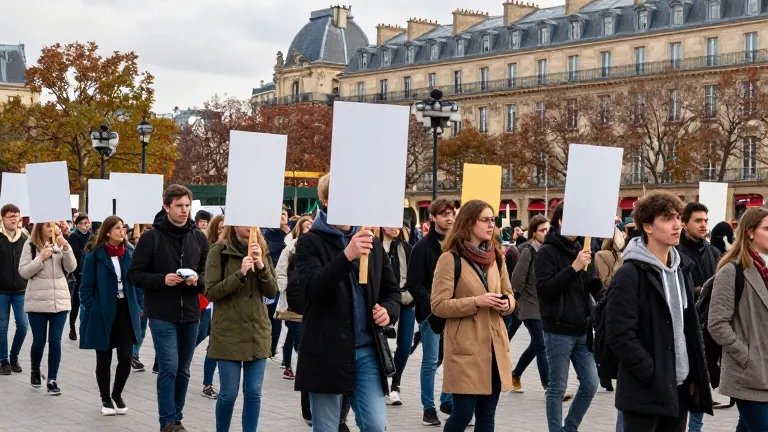
Democratic Campaign Rallies Center on Rising Consumer Prices
Democratic candidates have shifted their messaging in the final weeks of the election to focus on the cost of living and consumer inflation.
By Chinedu Schneider ·
The final stretch of the 2026 general election campaign has brought a unified economic message from the Democratic Party. Candidates across the country have aligned their rhetoric around the affordability of daily goods and services.
Democratic leaders have moved to make the cost of living the central theme of their late-campaign rallies. This strategic shift places consumer prices at the forefront of their political arguments. The party is positioning this economic concern as the primary issue for voters.
The focus on affordability reflects a broader attempt to define the election through economic terms. Democrats are emphasizing the tangible impact of inflation on household budgets. They are framing the debate as a contest between those who prioritize economic stability and those who do not.
Rallies in key states have featured speeches that directly address the price of groceries, energy, and housing. Campaign officials have coordinated messaging to ensure consistency across different regions. The goal is to present a coherent narrative that resonates with working-class voters.
The party’s approach contrasts with previous campaign cycles where policy specifics often dominated the discourse. By centering on shared economic experiences, Democrats aim to connect with a wider audience. They are using concrete examples of price increases to illustrate their points.
Veterans of the campaign have noted the deliberate nature of this pivot. They describe the focus on costs as a response to polling data showing heightened voter anxiety about finances. The strategy relies on the perception that economic conditions are the most pressing issue for most Americans.
The Republican response to this emphasis on affordability has been to counter with messages about economic growth and job creation. However, the Democratic push has set the tone for the final media advertisements and town hall events. Both parties are now competing on the same economic terrain.
Upcoming scheduled events include a series of town halls in the Midwest and a major rally in the Northeast later this month. These gatherings will test the effectiveness of the new messaging strategy. Campaign managers expect these events to draw large crowds focused on economic discussions.
The voting period is currently active in several early states, providing a real-time gauge of voter sentiment. Democratic candidates are using these early results to adjust their final weeks of campaigning. The focus remains on translating the message of affordability into actual voter support.
The next major milestone is the national debate scheduled for early November. This event will provide a direct platform for candidates to expand on their economic platforms. Observers will watch for how each candidate addresses the specific price points mentioned in recent rally speeches.
Source: Cascade PBS