Detroit Lake drawdown proceeds after judge rejects county lawsuit
The Army Corps of Engineers plans to lower the reservoir to historic levels later this month, despite concerns from downstream water systems.
By Marco Ortega ·
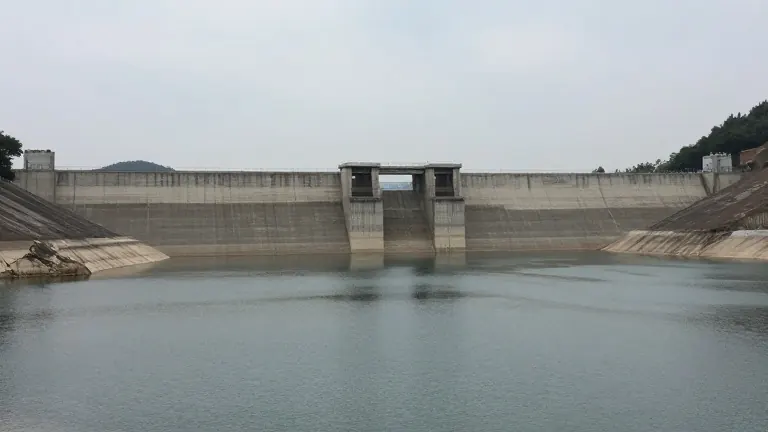
The U.S. Army Corps of Engineers will begin lowering Detroit Lake to historic water levels later this month. A federal judge approved the plan on Wednesday, rejecting a legal challenge from Marion County and downstream cities. The move allows the Corps to drain the reservoir to assist Chinook salmon migration, a requirement established by a separate court order.
The decision affects water systems serving over 230,000 people in the region. Marion County and the cities of Salem and Stayton filed the lawsuit in July, arguing the drawdown would damage local infrastructure and harm fish populations. U.S. District Court Judge Mustafa Kasubhai ruled that the plaintiffs did not prove the harm was likely. He noted that the Detroit Lake project differs significantly from previous drainage efforts at neighboring reservoirs.
Marion County officials announced within hours of the ruling that they would appeal the decision. They are requesting emergency consideration from the 9th Circuit Court of Appeals. A county press release stated the new policy would devastate canyon communities and endanger drinking water supplies. The release also argued the action jeopardized the fish species the Corps aims to protect.
Local concerns are driven by a 2023 drawdown at Green Peter Lake. The Corps lowered that lake rapidly, stirring up sediment that disrupted water treatment plants in Lebanon and Sweet Home. The sudden change in water depth also killed thousands of kokanee salmon. Officials in Marion County say their systems are not prepared for similar high turbidity levels and do not believe the Corps' new strategy will prevent damage.
Colm Willis, chair of the Marion County Board of Commissioners, told OPB on Thursday that the Army Corps has a history of causing such issues. "The reality of this situation is the Army Corps did this before in Green Peter," Willis said. "It’s just not true to say that we didn’t prove that similar damage was likely to happen in this case."
Army Corps officials said they will take a more gradual approach this time. They plan to lower the reservoir incrementally over multiple years to reduce churned-up sediment. Judge Kasubhai acknowledged the possibility of high turbidity and difficulty refilling the lake but ruled that possibility was not enough to meet the legal standard for injunctive relief.
The original lawsuit will continue while the appeal is processed. The Army Corps said it will host public information sessions to explain the drawdown process. Locations and times for these events will be announced within the week.