EU leaders confront budget divisions and proposed €45 billion Ukraine loan
A two-day Brussels summit will test whether EU leaders can reconcile competing spending priorities and agree on additional economic and military funding for Ukraine.
By Marco Ortega ·
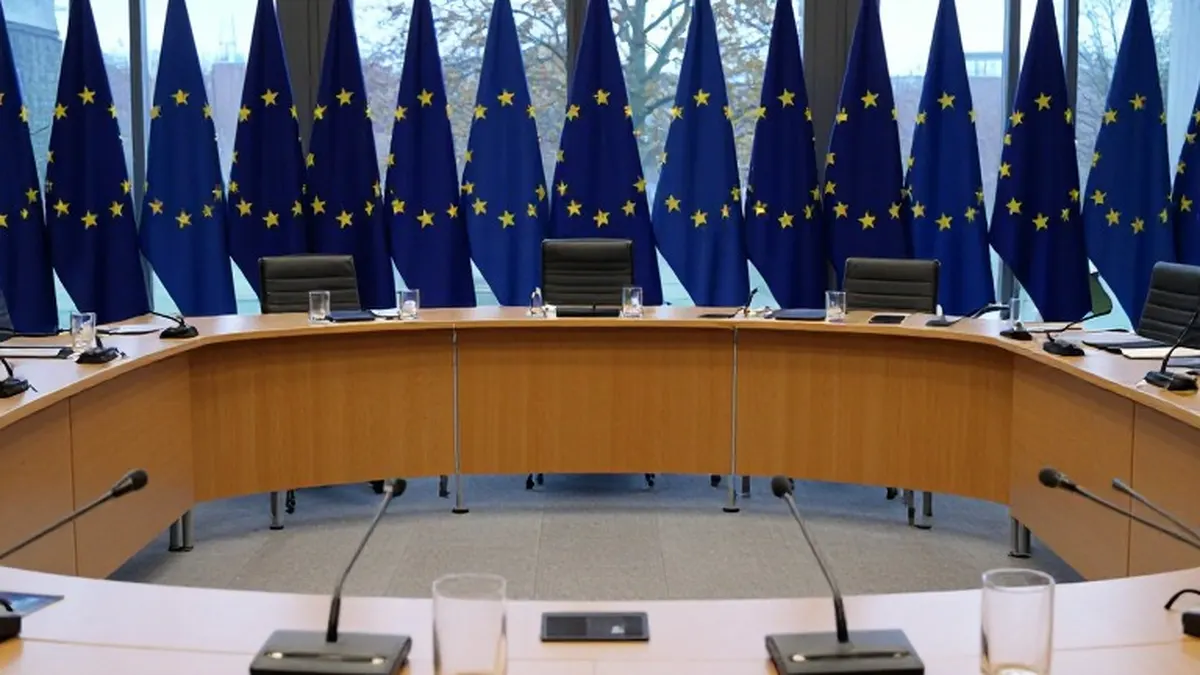
European Union leaders are meeting in Brussels on Thursday, November 26, to negotiate the bloc’s long-term budget and a proposed €45 billion loan intended to keep Ukraine funded through 2027. The two-day summit comes amid entrenched disagreements over national contributions, established spending programs and the cost of supporting Ukraine.
The proposed budget for 2028-2034 could represent between 1% and 1.2% of the EU’s gross national income. Most financing comes from the bloc’s 27 member countries, with contributions linked to the size of their economies. European Council President António Costa, who will chair the summit, presented a revised proposal last weekend that reduces the European Commission’s original plan by about 10%.
Costa has urged leaders to reach a balanced settlement that equips the EU to meet its challenges. Elections are adding pressure to the negotiations, with Spain voting on Sunday and France, Italy and Poland holding elections next year. The hard right leads opinion surveys in France, while the outcomes in Poland and Spain remain uncertain. Changes of government could further complicate negotiations if leaders miss their target of an agreement by the end of December.
About a third of EU members contribute more to the budget than they receive in allocations. Germany, Austria, the Netherlands and Sweden are among the strongest opponents of higher contributions and are calling for spending restraint. France and Italy lead a group defending agricultural support and infrastructure funding for poorer member states. Together, those policies account for roughly two thirds of the budget.
Governments also want resources for newer priorities, including Ukraine’s defense against Russia’s invasion and European competitiveness amid high energy prices and trade tensions with the United States and China. Debt pressures and increased defense spending are making compromises harder. Costa has proposed a bloc-wide digital services tax covering online advertising and revenue generated from user data, potentially raising €5 billion annually.
The seven-year spending plan includes €100 billion for Ukraine, alongside the separate decision on the proposed €45 billion loan. Earlier this month, German Chancellor Friedrich Merz warned that he could block a budget agreement unless every member country committed to supporting Ukraine. Bulgaria, the Czech Republic, Hungary and Slovakia oppose funding military assistance. In a letter to Costa, Merz argued that responsibility for supporting Ukraine must be shared because European security is indivisible.
EU leaders approved a €90 billion loan nearly a year ago to meet most of the Ukrainian government’s needs over two years. Ukraine’s finances have since come under pressure from intensified Russian attacks on energy and civilian infrastructure, as well as disruptions to Black Sea trade. The commission plans to borrow again on capital markets, allocating €20 billion of the proposed new loan to the economy and €25 billion to the armed forces.
Costa intends to introduce his proposal before leaders move into smaller discussions and bilateral meetings. He is expected to present his conclusions to all 27 leaders at the close of the summit, probably on Friday. EU diplomats consider an agreement more likely at another meeting next month.
Failure to meet the December target would not immediately interrupt funding, as countries still have another year to complete the process. However, spending legislation and approvals require substantial time before funds can begin flowing in January 2028. The final package needs endorsement from every member country and the European Parliament.