Fiscal Devolution: Healey's Budget to Shift Budgetary Control to Local Leaders
The government plans to grant regional mayors new borrowing capabilities and direct tax revenue shares to reduce reliance on central approval.
By Daniela Vargas ·

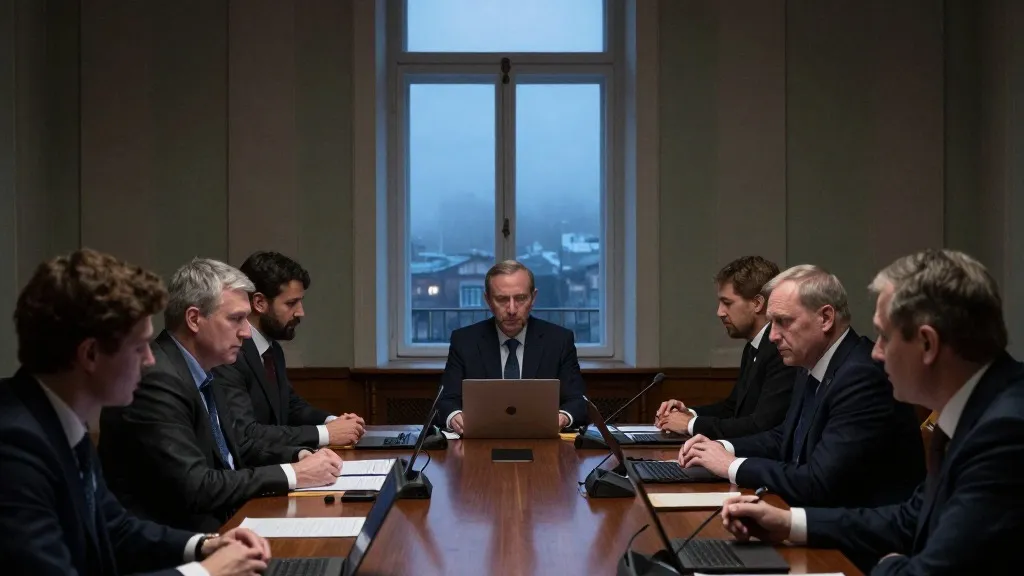
A significant shift in how local public finances are managed in England is set to begin with the upcoming fiscal statement.
Prime Minister Andy Burnham has announced that the package, to be detailed by Chancellor John Healey on Wednesday, aims to end the traditional model where local authorities must seek central approval for individual projects. The centerpiece of this initiative is a new borrowing facility valued at 1.5 billion pounds. This fund will be negotiated with regional mayors over the next two years, addressing a long-standing complaint that limited borrowing powers have hindered regional development. In many other nations, including the United States and parts of Europe, local authorities routinely issue their own bonds, a practice now being introduced in England to allow for more flexible investment.
Beyond the borrowing mechanism, the plan includes an immediate injection of 285 million pounds in growth funding for next year. Local leaders will have discretion over how these funds are allocated, with potential uses ranging from housing development and transport infrastructure to high street regeneration. This short-term funding is designed to bridge the gap until 2028, at which point a new system will channel a portion of income tax revenue directly to local areas. This long-term revenue sharing model, first proposed by former Chancellor Rachel Reeves earlier this year, is intended to provide greater financial security. The budget will outline the specifics of this arrangement, which is expected to allow local authorities to retain a share of the additional revenue generated by a stronger local economy, thereby incentivizing pro-growth policies.
The individuals driving these changes have emphasized the need for greater autonomy at the local level. Burnham stated that the reforms would conclude the era of local leaders going to Westminster for permission on every project. He described the previous system as an ineffective way to govern the country. Having served as the mayor of Greater Manchester, Burnham spoke from personal experience regarding the constraints of centralized tax and spending systems in the UK compared to other leading economies. Healey reinforced this position, noting that local leaders possess a superior understanding of their communities' needs. He asserted that the government is providing them with more money, power, and capacity to execute projects, build homes, and make decisions tailored to their specific areas.
Recognizing that increased financial responsibility requires enhanced administrative capability, the package includes 150 million pounds to help local authorities scale up and build internal expertise. This allocation addresses concerns within the Treasury regarding the ability of some councils to manage increasingly large budgets. The development of these plans has been a collaborative effort with No 10 North, which has held weekly meetings with local leaders to identify barriers to economic growth. This ongoing dialogue led to a recent update to the green book, the Treasury's guidance on public investment. The new rules allow for the combined assessment of projects that boost growth, such as pairing a housing scheme with a transport link. A subsequent white paper on reshaping the civil service is also expected following the budget, detailing how the state will be reconfigured as powers move away from Whitehall.
The stakes for the government extend beyond local governance to the broader national economy and household finances. Healey's first budget is anticipated to include measures supporting poorer households affected by rising energy costs, alongside modest tax increases on banks. The Chancellor has emphasized the need to provide breathing space to households and businesses after the war in the Middle East contributed to higher bills. These elevated costs have also driven up interest rates on government borrowing, complicating the effort to balance the national accounts. Additionally, the Chancellor will outline plans to fully fund the four-year defense investment strategy announced during the final days of Keir Starmer's premiership. While a commitment to spending 3% of GDP on defense remains a key issue, it is not expected to be addressed in this statement, with a final decision likely reserved for the spending review due next year.
Source: The Guardian