Five Louisiana residents permanently lost vision due to amoeba infections
State health officials report 10 Acanthamoeba cases since 2024, with one patient dying from a brain infection this year.
By Marco Ortega ·
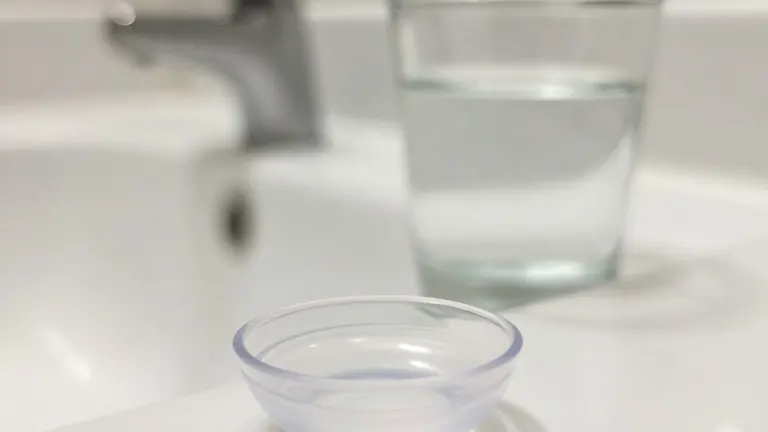
Five people in Louisiana have suffered permanent vision loss as a result of Acanthamoeba infections, according to data released by the state Department of Health. The agency has identified ten total cases of the single-celled organism since 2024. One of those cases, a brain infection diagnosed this year, proved fatal. State epidemiologist Theresa Sokol announced the figures while outlining safety measures for the public.
Acanthamoeba is a free-living organism found in soil, dust, and both fresh and salt water. Sokol noted that the microbe is also present in swimming pools, drinking water systems, and heating and cooling units. She explained that most people will encounter the amoeba during their lives without falling ill. However, for a small number of individuals, the organism can trigger severe infections in the sinuses, brain, skin, or eyes.
Eight of the ten reported infections were eye-related. Seven of those patients wore contact lenses. Sokol described the eye infection as severe but rarely fatal or contagious to other body parts. The remaining two cases, both reported in 2026, involved a sinus infection and a brain infection. Both patients had pre-existing medical conditions. The Department of Health stated that it would not release specific details about the patients' locations to protect their privacy, noting that they were spread across the state.
Sokol warned that contact lenses can trap water against the cornea, creating a pathway for infection. She advised wearers to wash and thoroughly dry their hands before handling lenses. Lenses should be removed before showering, swimming, or using hot tubs. They must be cleaned with proper solution each time they are removed. She clarified that getting tap water in the eyes without contact lenses is not considered a risk factor for infection.
Symptoms of an eye infection can mimic other common conditions, including pain, redness, blurred vision, and light sensitivity. Sokol emphasized that early medical care improves the likelihood of a positive outcome. Symptoms can appear days or weeks after exposure. Diagnosis often requires reference laboratory tests on fluid samples or biopsies, depending on the location of the infection.
The state health official also addressed the use of tap water for nasal irrigation. She stated that tap water should not be used for cleaning nasal devices due to the risk of sinus and brain infections. Safe alternatives include sterile, distilled, or boiled and cooled water. People with weakened immune systems, such as those with HIV, diabetes, or a history of organ transplants, were told to be especially careful. Sokol confirmed that showering with tap water or drinking it does not cause Acanthamoeba infections.