Fluoride-free toothpaste faces scrutiny
Dentists say new calcium-based alternatives are popular but lack the long-term data that fluoride products have accumulated over decades.
By Marco Ortega ·
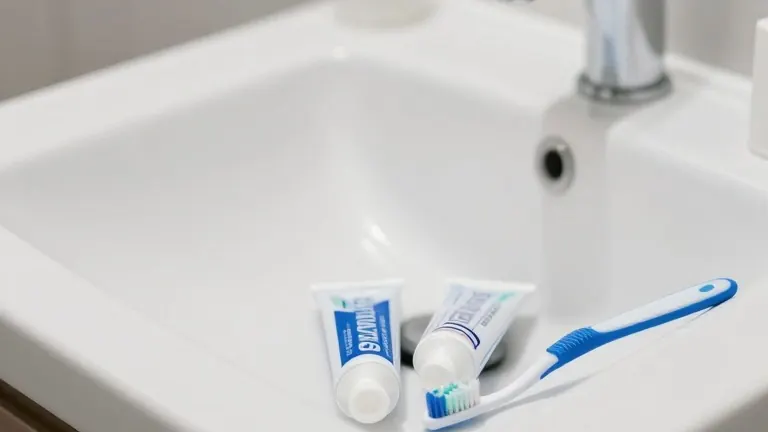
Consumers are increasingly choosing toothpaste that does not contain fluoride, a shift driven by social media marketing and concerns about the mineral's safety. Dr. Jin-Ho Phark, an associate professor at the University of Southern California, reports that patients frequently ask about these options. He notes that the trend is fueled by influencers promoting products containing hydroxyapatite, a calcium phosphate mineral.
Fluoride has been a standard in oral care since Procter & Gamble released Crest nationally in the late 1950s. The Centers for Disease Control and Prevention state that adding fluoride to public drinking water reduces cavities by 25%. Despite this track record, some people are hesitant to use fluoride, particularly for children. Health Secretary Robert F. Kennedy Jr. has linked water fluoridation to various health issues, including arthritis and neurodevelopmental disorders, which has increased public skepticism.
Hydroxyapatite works differently than fluoride. While fluoride helps remineralize teeth by forming a protective shield, hydroxyapatite is thought to fill tiny crevices in the enamel. Many products use nano-hydroxyapatite, which consists of smaller particles designed to penetrate enamel pores more easily. The ingredient shares a similar composition to natural tooth enamel, which is primarily made of calcium and phosphate.
Research comparing the two ingredients shows mixed results. A 2021 study in Scientific Reports followed 177 children for nearly a year and found that hydroxyapatite toothpaste prevented tooth decay as effectively as fluoride. A separate 2023 study in Frontiers in Public Health tracked 171 adults for 18 months with similar outcomes. Both studies received funding from Dr. Wolff Group, a German company that manufactures hydroxyapatite toothpaste brands.
Dentists caution that the evidence for hydroxyapatite is still developing. Dr. Livia Tenuta, a professor at the University of Michigan School of Dentistry, points out that most existing studies involve participants with a low risk of tooth decay. She notes that there are very few long-term studies, especially for people at high risk for cavities. Bennett Amaechi, a professor at the University of Texas at San Antonio, agrees that fluoride has more extensive long-term research behind it.
For patients who are undecided, many experts still recommend fluoride. Amaechi advises using fluoride toothpaste because of the stronger body of evidence supporting its efficacy. The American Dental Association acknowledges the growing use of hydroxyapatite products but describes the evidence for their clinical effectiveness as limited and ambiguous. The organization recommends brushing twice daily with fluoride toothpaste, flossing daily, and visiting a dentist regularly.
Hydroxyapatite toothpastes generally cost more than their fluoride counterparts. Prices can be more than a dollar per ounce higher than standard fluoride toothpaste. Consumers must weigh the higher cost against the limited long-term data available for the calcium-based alternative.
Source: KNKX Public Radio