US Defense Secretary Hegseth visits Caracas to renew military ties
An unannounced trip to Venezuela by Pete Hegseth signals a significant thaw in relations, focusing on joint efforts to combat drug trafficking and strengthen regional security.
By Marco Ortega ·
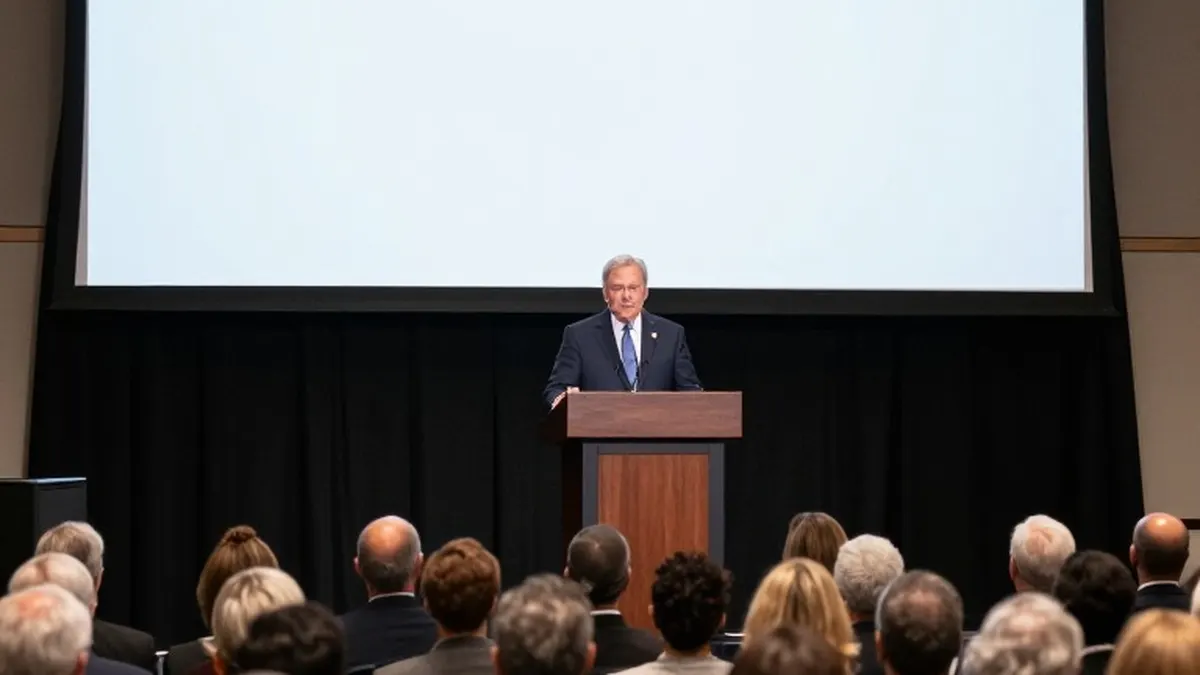
US Defense Secretary Pete Hegseth arrived in Caracas on Wednesday for an unannounced visit, marking the highest-level American diplomatic engagement with Venezuela since the removal of President Nicolas Maduro in January. The surprise stopover, which occurred during a broader regional tour, signaled a dramatic shift in the relationship between the two nations after years of tension and sanctions.
During the visit, Hegseth announced the resumption of military cooperation between Washington and Caracas. He issued a strong warning to drug cartels operating in the region, stating that the United States would actively pursue them. He told traffickers, "We will hunt you down, we will find you, and we will kill you," emphasizing that they would no longer be able to export crime and misery to the United States or neighboring countries.
Venezuela’s interim leader, Delcy Rodriguez, welcomed the development as a "resumption of the technical-military relationship between both countries." Rodriguez has led Venezuela with the support of the White House since US special forces captured Maduro and transported him to New York, where he is currently facing trial on charges of narco-terrorism. This close alignment with Washington has not been universally popular, particularly among the pro-democracy opposition, which notes that hundreds of political prisoners remain detained and that a schedule for free and fair elections has yet to be set.
Despite these domestic challenges, analysts view Venezuela as strategically vital for the United States. The country offers new opportunities for securing oil supplies, helps isolate Cuba’s communist government, and is key to curbing cocaine trafficking from South America. Caracas has long been accused of sheltering Colombian guerrilla groups, such as the ELN, which operate across the border and vast tracts of territory in both nations.
Hegseth’s visit comes at a time of heightened scrutiny for the Defense Secretary. He recently survived an attempt at congressional impeachment and faces questions regarding his handling of the Iran war and the legality of recent anti-drug strikes. Following his time in Caracas, he continued his journey to Bogotá, Colombia, where he met with local officials to further strengthen bilateral defense ties.
The trip is part of a broader escalation of US military presence in Latin America since President Donald Trump returned to office two years ago. American forces have conducted strikes against alleged drug-smuggling boats in the Caribbean and eastern Pacific, killing more than 230 people according to AFP tallies. While rights groups have questioned the evidence linking some vessels to drug trafficking, warning of potential extrajudicial killings, the administration has continued to deploy troops, Reaper drones, and other assets to the region.
Recent intelligence reveals significant logistical activity, including at least 20 US military flights to an isolated base on Ecuador’s Pacific coast. These flights involved C-130 Hercules and C-17 Globemaster transport planes, V-22 Osprey tiltrotor aircraft, and Black Hawk helicopters. Satellite imagery indicates that the base has undergone substantial construction work in recent months, reflecting a growing American military footprint.
In Colombia, the partnership with the United States has deepened under President Abelardo de la Espriella, who has sought to intensify military cooperation since his inauguration in August. The two nations, representing the world’s largest cocaine market and producer respectively, have intensified joint operations. More than 300 US soldiers recently participated in anti-drug exercises alongside 400 Colombian troops.
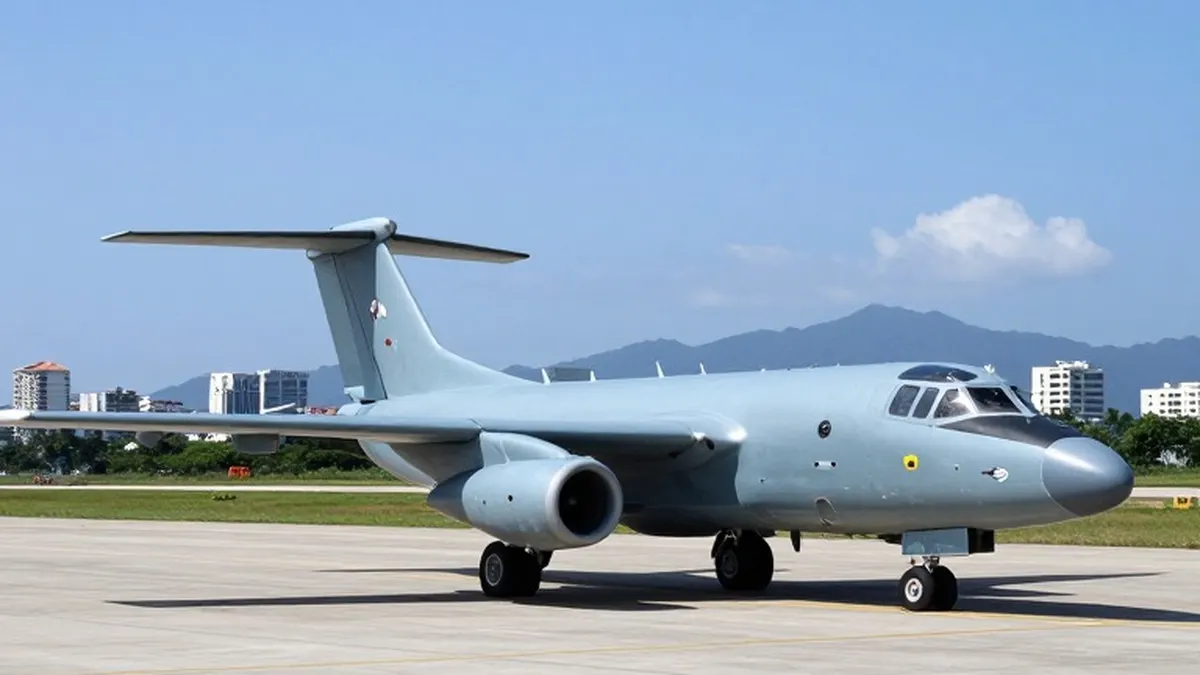
Colombian Defense Minister Jorge Eduardo Mora greeted Hegseth in Bogotá, where he also announced the delivery of a C-130 military aircraft to the Colombian government. The visit underscores the administration’s commitment to regional influence, a focus that is expected to face intense examination when a new Democratic majority is sworn into Congress in January.