Israel Faces 12-Month Clock After Knesset Vote Yields No Clear Majority
The 120-seat parliament is deadlocked, forcing Prime Minister Benjamin Netanyahu to begin a 28-day window to assemble a coalition before the election results are annulled.
By Chinedu Schneider ·
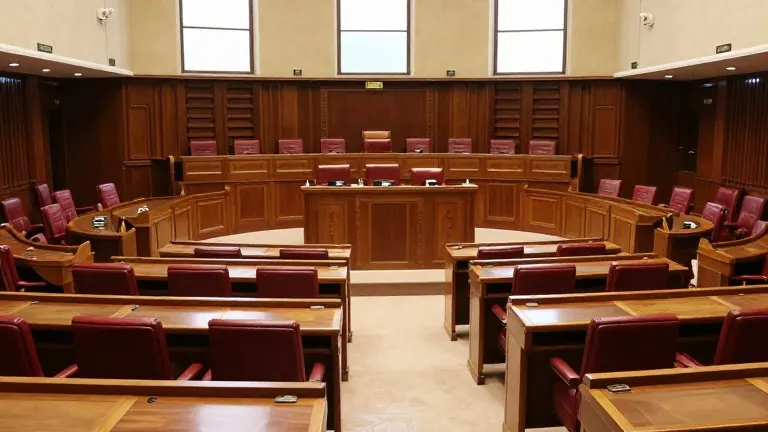
Prime Minister Benjamin Netanyahu has 28 days to form a government in Israel or trigger a new election. The deadline begins immediately after the Knesset’s first session, which is scheduled to take place within 30 days of the vote. This timeline creates a high-stakes race to assemble a coalition in a fractured parliament where no single party holds enough power to rule alone.
The election results leave the 120-seat Knesset with no clear path to a stable majority. No party or alliance secured the 61 seats required to govern. This gridlock forces the prime minister to negotiate with smaller factions, a process that often involves complex deals on budget, security, and judicial appointments. The lack of a dominant winner increases the risk that the country will return to the polls within a year.
The 28-day window for coalition building is a standard constitutional mechanism designed to prevent prolonged uncertainty. If Netanyahu fails to present a list of ministers who can command a majority vote in the Knesset, the President of Israel must appoint another candidate. This backup process usually involves the leader of the next-largest bloc. However, history shows that repeated attempts to form a government often fail, leading to a dissolution of the parliament.
The current political landscape is defined by deep ideological splits. Voters divided along religious, secular, and economic lines have produced a fragmented ballot. This fragmentation means that any potential coalition must bridge wide gaps between parties with differing platforms. Negotiators are already meeting to explore alliances, though formal talks have not yet concluded. The outcome will determine whether Israel continues with its current leadership or seeks a new mandate from the public.
The clock on this process started with the final count of votes from the recent election. The results were certified by the Central Elections Commission, confirming the seat distribution that now dictates the political reality. The Knesset will convene soon to officially accept the results and begin the appointment process. Until then, the interim government continues to manage state affairs while the formation race proceeds in the background.
A new election within 12 months is a realistic possibility if the current leaders cannot agree on a budget and a list of ministers. This scenario has occurred in previous cycles, often resulting in similar outcomes. The cost of a new election is high for the state treasury and for public confidence in the political system. Leaders are aware of this pressure, which may influence their willingness to compromise on key policy issues.
The next 28 days will be the critical period for determining the future direction of the government. All political parties are focused on securing the necessary support to reach the 61-seat threshold. The success of this effort depends on whether leaders can prioritize national stability over specific policy demands. The final outcome will be decided in the Knesset, where the proposed cabinet will face a vote of confidence.
Source: Cascade PBS