LifeFlight of Maine cuts training costs to $100,000 per clinician
The nonprofit air ambulance service is matching paramedic pay to flight nurses to combat a staffing crisis as rural hospital closures drive demand up 10%.
By Bianca Shevchenko ·
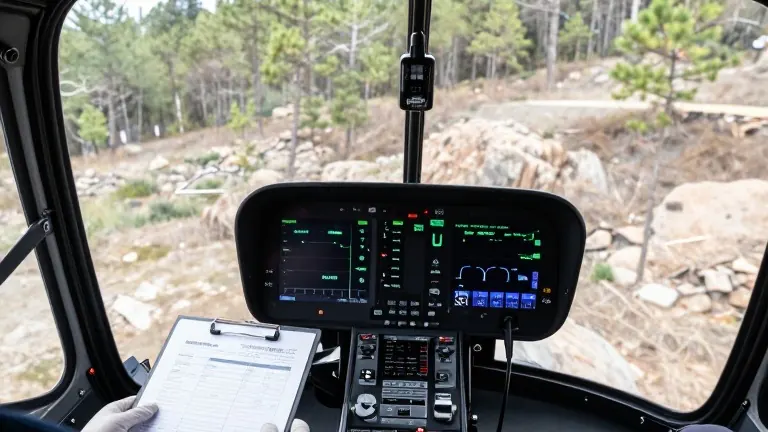
LifeFlight of Maine is nearly fully staffed for the first time in nine years, a milestone its leadership attributes to a structural shift in how it compensates and supports emergency medical personnel. CEO Joe Kellner, who took the helm in 2023, implemented a pay parity model that raises paramedic salaries to match those of flight nurses. This change is rare in an industry where paramedics typically earn less to keep operational costs low.
The financial stakes are high. Kellner estimates the cost of training a new clinician into the organization at approximately $100,000. To protect that investment, the company hired a full-time mental health counselor. He argues that if counseling prevents two or three staff members from leaving, it yields a positive return on investment. This strategy addresses the high turnover rates that plague the sector, where almost a quarter of ground-based EMS workers leave the field annually.
Demand for air medical services is rising sharply in response to the contraction of rural healthcare infrastructure. Since 2015, demand for medical flights in Maine has doubled. In 2025, LifeFlight crews completed 3,031 flights, which averages to more than one flight every three hours. For the current year, demand is projected to rise by another 10%. This surge is driven by the closure of rural hospitals and the conversion of others to outpatient-only facilities, which reduces the availability of specialized care on the ground.
Nicholas George, who runs the ETHOS Database, a national tracking system for air medical programs, confirms the trend. He notes that the need for air medical services is increasing year over year across the board. As ground ambulance stations struggle to remain financially viable, air units are filling the gaps left by unprofitable services such as labor and delivery. This shift makes air ambulances a critical backstop in a fragmented healthcare system.
To sustain this growth, LifeFlight has restructured its recruitment process. The company now operates a six to eight month orientation program called the Critical Care Academy. This rigorous training includes simulations of high-stress scenarios, such as emergency births and trauma resuscitation. Instructors use mannequins and vital sign monitors to test clinicians' ability to respond to rapidly changing medical conditions. The program also includes a mentorship track for potential applicants, some of whom gain skills that benefit the wider industry even if they do not join LifeFlight.
The operational model also differs from the for-profit sector that dominates air medical transport. LifeFlight is one of a few independent nonprofit air medical companies. Mike Abernethy, a retired emergency medicine professor at the University of Wisconsin, describes it as a model program. He argues that the aviation and medical quality of such nonprofit organizations stands in sharp contrast to the average for-profit business, which often faces scrutiny over pricing.
Staff members cite the mental health support as a key retention factor. Paramedic Brian Merklin, who joined after a break from the profession, notes that many colleagues in his previous role in Nevada left due to burnout during the pandemic. He serves on a peer support team at LifeFlight. He states that the organization provides tangible support for the psychological toll of the job, a practice he hopes will become standard in other areas of the industry.
More Business · Consumer Alerts · Report a business · Got a Story?