40 missiles, 172 drones: Kyiv takes the brunt of overnight strike
EU Ambassador Katarína Mathernová reports on the physical toll of the attacks as winter infrastructure strain intensifies in the capital.
By Bianca Shevchenko ·
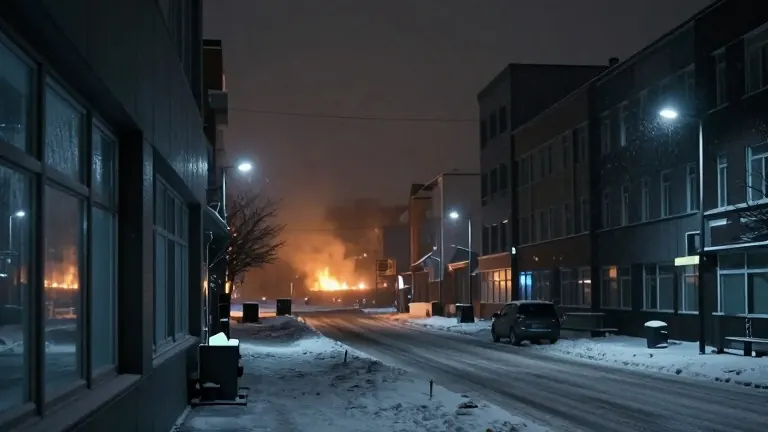
Katarína Mathernová, the European Union’s ambassador to Ukraine, documented the scale of the latest Russian offensive on the capital. The diplomat reported that Russian forces launched approximately 40 ballistic and cruise missiles alongside 172 drones at Ukraine. The attacks concentrated on Kyiv and the surrounding Kyiv Oblast, striking a total of 24 facilities during the operation.
The offensive unfolded overnight between November 6 and November 7. The Solomianskyi district was among the specific areas targeted. Fires broke out in the neighborhood, damaging several residential buildings, a kindergarten, and a non-residential structure. Some of these structures were partially destroyed by the impact. Six people were injured in the strikes, including a 14-year-old resident.
Mathernová contrasted the conditions in her own hotel with those of many colleagues. While her accommodation relies on powerful generators to maintain stability, many Ukrainian and foreign staff members of the EU delegation face cold apartments. Some spent the night in unheated shelters to ensure their safety. This disparity underscores the uneven distribution of energy resources in the city.
Despite these conditions, EU delegation members continue working on funded projects and Ukraine’s accession process. Mathernová noted the resilience required to attend work after enduring such difficult nights. She expressed admiration for the strength her colleagues display in maintaining their operations despite the physical toll of the conflict.
The ambassador stated that the five-year full-scale war has demonstrated how quickly essential comforts are lost. She pointed to basic amenities such as running water, warm rooms, and uninterrupted sleep as items often taken for granted in peacetime. These systems are frequently disrupted during wartime, placing immediate pressure on daily life in the capital.
The comments arrive as winter approaches, a period that typically increases strain on energy infrastructure. Mathernová’s observations highlight the persistent pressure on Kyiv’s systems. Local and international staff remain committed to keeping operations running despite the challenging conditions.
The next phase of operations will depend on the resilience of the energy grid as temperatures drop. The EU delegation will continue its work on accession processes while managing the logistical challenges of the ongoing strikes.
More Business · World news · Consumer Alerts · Report a business · Got a Story?