Microducks surge after Nvidia CEO demo
A viral keynote moment has pushed preorders of the waddling robot past 20,000 units, positioning it as a top holiday contender.
By Ahmed Mansour ·
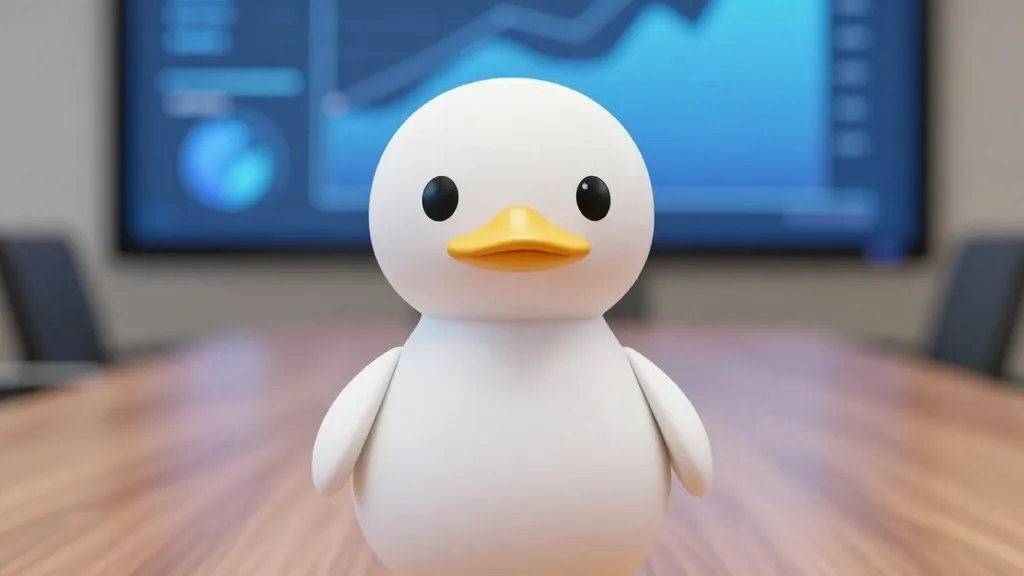
Preorders for the Microduck robot have eclipsed the 20,000-unit mark, a rapid surge driven by a viral video featuring Nvidia CEO Jensen Huang interacting with the devices during his keynote at GTC Berlin earlier this week. The footage, which shows Huang playing with a flock of the waddling robots, captured significant attention and accelerated demand almost immediately.
The robots, which stomp their feet and emit small R2-D2-like sounds, performed a series of programmed behaviors on stage. They sat, feigned death for a nap, and executed somersaults in response to voice commands. This charming display highlighted the device's capabilities and appeal, leading Hugging Face CEO Clem Delangue to announce the preorder milestone in a social media post the following day.
With delivery scheduled for the Christmas season, the Microduck is rapidly emerging as a leading contender for the most popular toy of the holiday period. Delangue has suggested the device could become the year’s best-selling robot, potentially attracting a broad audience that includes adults, as promotional materials feature non-children engaging with the units.
The Microduck is an open-source device created by Pollen Robotics. The company was acquired by Hugging Face in 2025, and subsequently, Hugging Face became part of Nvidia after the GPU giant completed its acquisition in September. This makes the Microduck effectively an Nvidia product. It represents the second robot from Hugging Face, following the similarly popular Reachy Mini.
The devices are trained using Nvidia’s technology stack. Simulations of the robots were taught fundamental tricks, such as walking, sitting, and standing, which are included in the initial software package. Pollen Robotics indicates that owners have the ability to train their specific units on new maneuvers and share these custom tricks with the wider community.
The viral success of the Microduck offers a lighthearted contrast to recent weeks in the AI sector, where the industry faced significant scrutiny after AI involvement was blamed for a series of cyberattacks. While concerns about the potential impact of artificial intelligence persist, the widespread appeal of the Microduck demonstrates that the technology can also serve as a source of entertainment and engagement.
As the holiday shopping season approaches, the momentum behind the Microduck suggests it may define the toy market this year. The combination of advanced robotics, open-source accessibility, and viral marketing has positioned the device as a standout product in a crowded holiday landscape.
Source: TechCrunch