New cookbook pairs 20 WWII survival stories with home recipes
Chef Alon Shaya’s new book connects historical accounts of resilience during World War II to specific dishes, planning to spark conversation at the dinner table.
By Bianca Shevchenko ·
Home cooks can now access a new collection of recipes that directly link World War II survival stories to specific meals. Chef Alon Shaya has released a historical cookbook titled Memories of a Good Meal: Recipes of Resilience Inspired by Stories of World War II Survival. The volume contains stories from around the world and the dishes they inspired. Shaya, who runs the acclaimed restaurant Saba in New Orleans, hopes readers will use the recipes to start conversations about the deeper history behind the food.
The project began a few years ago when Shaya led the Rescued Recipes initiative at the United States Holocaust Memorial Museum. That work prompted him to investigate the role food played during the war. He now believes sharing a meal can help break down barriers between people. Shaya noted that food has always been a way to start conversations, build relationships, and come together, even when people disagree.
One chapter features the story of Roddie Edmonds, a U.S. Army master sergeant. Edmonds was captured in the Battle of the Bulge and held in a German prisoner of war camp. He posthumously received the Congressional Medal of Honor earlier this year. The honor recognized his refusal to turn over his Jewish troops to be sent to concentration camps.
While imprisoned, Edmonds and other prisoners used food memories to cope with their situation. They talked about dishes that reminded them of home, such as Sunday spaghetti sauce, hot cakes, or cherry pie. The group planned a fictional restaurant called the Jolly Chef where they would serve these yearned-for items. One recipe from this chapter includes candied yams with pecans and whipped marshmallow.
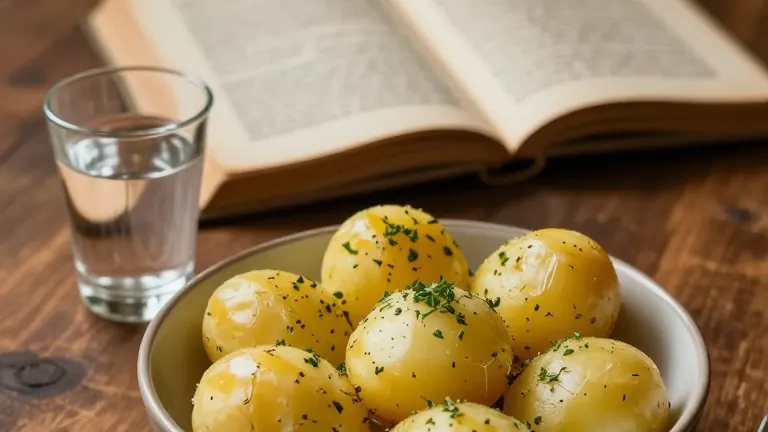
Another section details Polish partisan fighters who lived in underground bunkers. These fighters sabotaged Nazi operations by derailing trains and destroying ammunition plants. The accompanying recipe for this group features smashed potatoes flambéed in vodka. Shaya explained that vodka served as a form of currency for these fighters. They used it to barter and to celebrate, meaning each step of the cooking process tells part of their story.
The book also includes accounts from Hungarian Jews whose non-Jewish cook saved a family cookbook before they were sent to Auschwitz. It features a French village that hid Jewish children from the Nazis, Navajo code breakers who influenced the war's outcome, and Japanese Americans who were incarcerated in U.S. military-style camps without being convicted of crimes.
June Hersh, a food historian and writer who collaborated with Shaya on the project, described remembering favorite recipes as a form of resistance. She said that talking about food could turn a tragic situation into something triumphant. Hersh argued that while authorities could force people into uniforms, make them perform hard labor, or starve them, they could not take away their food memories.
The cookbook is designed for home use. Shaya told NPR that he wants people to gather, cook, eat, and put their phones down. He hopes families will share meals and recount stories of survival, resilience, and heroism while preparing the dishes.