
Ontario Winter Tires: Five Percent Discount Rules and Tire Checks
Insurers set November deadlines for installation, and experts warn that missing these dates or using the wrong symbols voids the premium reduction.
By Marco Ortega ·
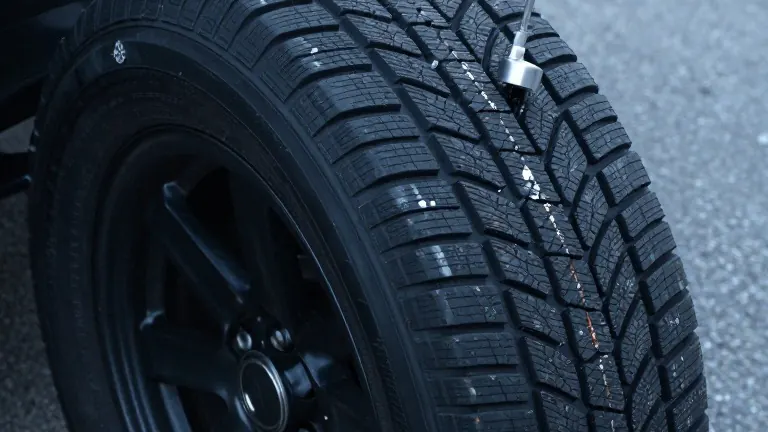
Ontario drivers can reduce their auto insurance premiums by up to five percent by installing certified winter tires. However, the discount depends on meeting specific installation deadlines and using tires with the correct certification symbol. Missing these requirements results in the loss of the financial benefit.
Temperatures across southern Ontario have dropped below seven degrees Celsius this week. Insurance brokers and tire experts advise drivers to act before specific cutoff dates expire. Some insurers require winter tires to be installed as early as November 1.
Steven Harris, a licensed insurance broker and insurance expert at LowestRates.ca, explained that drivers must install four certified winter tires to qualify for the discount. These tires must feature the three-peak mountain snowflake symbol, which is typically located on the tire sidewall. A standard M+S marking for mud and snow is not sufficient for the insurance discount.
Drivers must notify their insurance providers once they have purchased and installed the tires. Insurers may request proof, such as a receipt, invoice, or a photo of the installed tires. Harris noted that winter tires are a voluntary choice in Ontario, and insurers offer the discount to encourage their use. He emphasized that drivers should ensure their tires are installed during the insurer's required dates and update their policy if their plans change.
Installation and removal dates vary by insurance provider. For example, CAA Auto Insurance requires drivers to have winter tires installed no later than November 20. The tires must remain on the vehicle until April 15 to maintain the discount. Drivers should check with their specific insurer for exact dates.
Before purchasing new tires, drivers should assess the condition of their existing winter tires. Olivia Hodgkiss, a spokesperson for the Canadian Automobile Association, stated that drivers should check the built-in wear bars between the grooves. If the tops of the wear bars and the tread are even, the tire requires replacement.
Adam Lockwood, owner of OK Tire Dundas, recommended using a tread depth gauge to assess tire condition. He advised checking all four tires in several places across the tread, including the inner edge where wear can be difficult to see. The lowest reading determines the overall tire condition.
Canadian Tire provides a visual guide for checking tire tread depth. Their guide suggests testing in at least four different places on the tire. If the reading is 5/32 inches or more, the tires do not need replacement. A reading between 3/32 inches and 4/32 inches suggests replacement due to increased braking distance. A reading of 2/32 inches or less requires immediate replacement.
Drivers without a gauge can use a Canadian nickel to check tire depth. The guide instructs users to insert the coin with Queen Elizabeth’s crown facing down. If the top of the crown is visible, the tire tread is below 2/32 inches and needs replacement.
A recent survey by Abacus Data and the Tire and Rubber Association of Canada found that 79 percent of Ontario motorists believe winter tires are more important than ever. Seventy-seven percent of Ontario drivers equip their vehicles with winter tires despite rising living costs. Eighty-three percent of surveyed drivers said winter tires helped them avoid a collision or loss of control. Winter tires are mandatory in Quebec and certain regions of British Columbia, but they remain a voluntary choice in Ontario.
More Business · Consumer Alerts · Report a business · Got a Story?