Rosebank approval seen as compatible with UK climate goals, insiders say
Treasury projections of £500m in annual tax revenue are driving cabinet pressure to approve the North Sea project before the end of the parliament.
By Chinedu Schneider ·
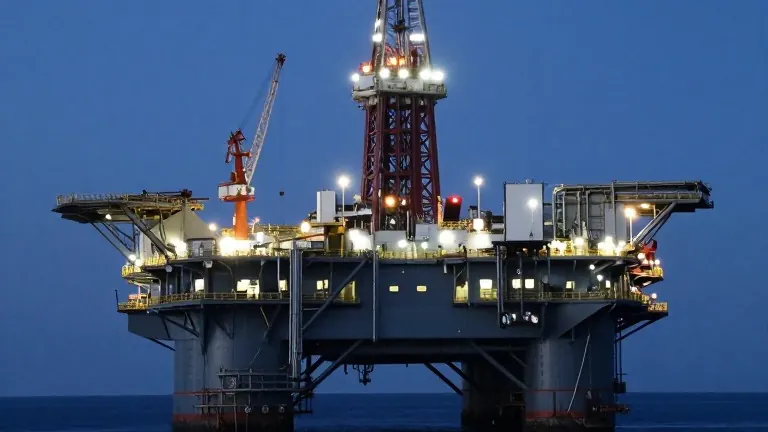
Government officials assert that the Rosebank oilfield can be approved without violating the United Kingdom's domestic emission targets.
This assessment provides a clear path for cabinet ministers who have been lobbying for the project's authorization, shifting the internal debate away from legal barriers toward political strategy.
The primary argument relies on the accounting of exported oil. Once the crude leaves the country, the carbon dioxide generated by its combustion abroad does not count against British carbon budgets. One government insider noted that the energy secretary, Miatta Fahnbulleh, has more latitude in this decision than is commonly perceived.
The financial stakes are substantial. The Treasury has already factored in billions of pounds in tax revenue from the field into its forecasts. Adura, the company operating the oilfield, estimates these receipts will reach £500m per year by the conclusion of the current parliament. Rejecting the project would create a shortfall in government finances, a factor cited by sources close to Chancellor John Healey, who is actively pushing for approval.
The decision creates friction within the Labour government. Fahnbulleh, who is leaning toward rejection, faces opposition from colleagues including the Chancellor. Conversely, climate campaigners and some Labour backbenchers view the approval as a step away from net zero priorities. On Tuesday, Greenpeace and Friends of the Earth wrote to the Prime Minister, urging him to consider the cumulative impact of North Sea drilling alongside other major decisions like Heathrow expansion and heat pump grants.
Greg Muttitt, a climate researcher at University College London, argues that while the UK is not legally bound to account for exported emissions, approving Rosebank is factually wrong given its scale. He notes that the field would generate roughly seven times the emissions of the Jackdaw gasfield approved last week. However, he acknowledges that the UK would not face international court proceedings for the approval because the emissions are attributed to importing nations.
The legal framework for the decision stems from a 2024 court ruling. A judge determined that the previous environmental consent was flawed because it failed to account for the full lifecycle of the oil. Experts estimate Rosebank could add one million tonnes of carbon dioxide to the atmosphere by 2042. This figure is small against the UK's overall limit of 90 million tonnes, a point emphasized by those advocating for approval.
Fahnbulleh remains the final decision-maker, despite speculation that Prime Minister Andy Burnham supports a pragmatic approach. In a speech in Motherwell this month, Burnham discussed reindustrialisation, a term strongly associated with North Sea energy in Scotland. Scottish Labour MPs are believed to be largely in favor of the project. Fahnbulleh previously stated that while Jackdaw was approved for energy security reasons, those specific concerns do not automatically apply to Rosebank. Her allies suggest she is hesitant because the climate damage, though within legal limits, may not be outweighed by the benefits of tax revenue and jobs.
Source: The Guardian
More Business · Consumer Alerts · Report a business · Got a Story?